Uphire
Brand transformation and campaign strategy for Uphire, leading safety innovation in Australia
Raising the bar in the EWP and MH industry with a comprehensive brand overhaul, revolutionising safety standards and innovation.
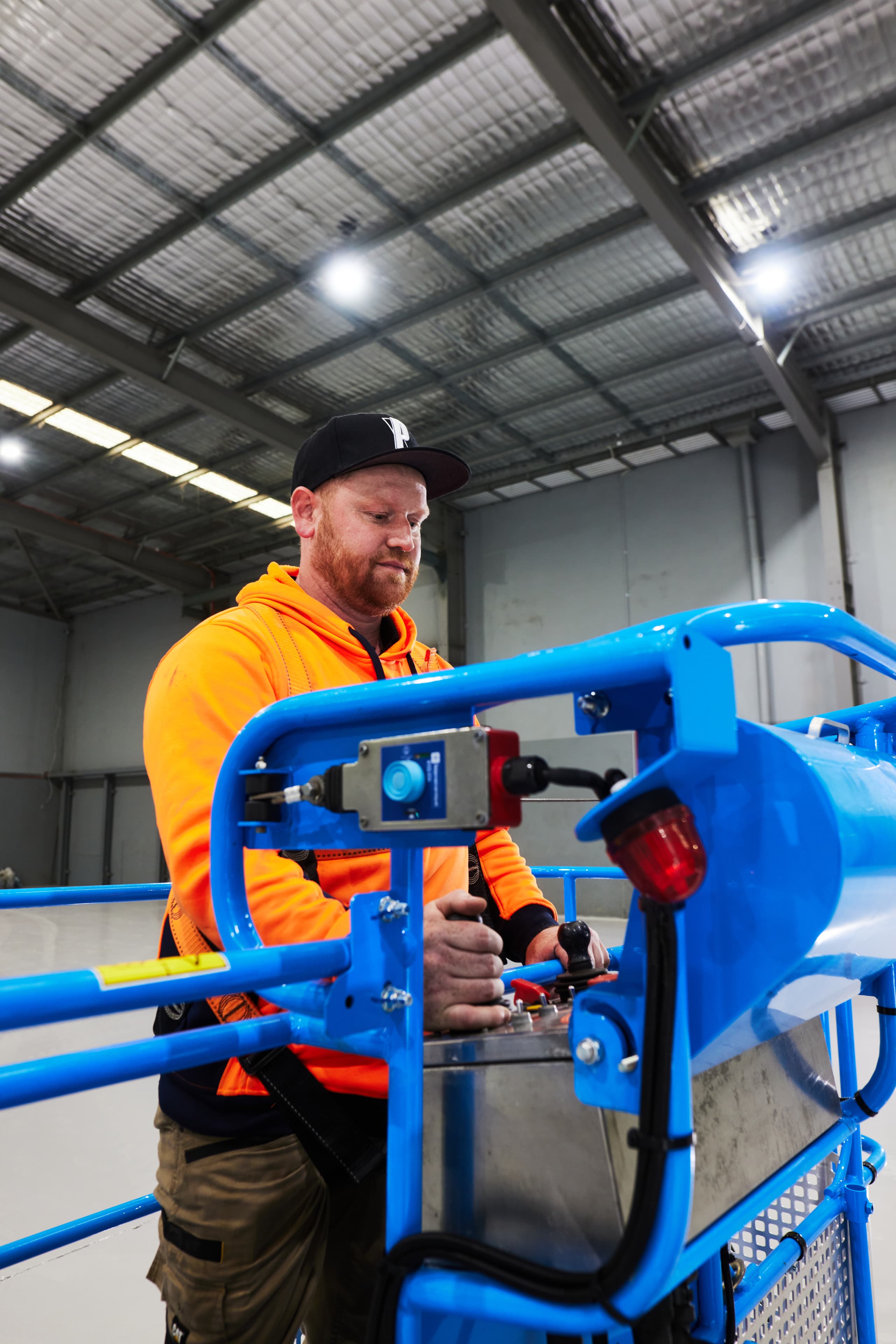
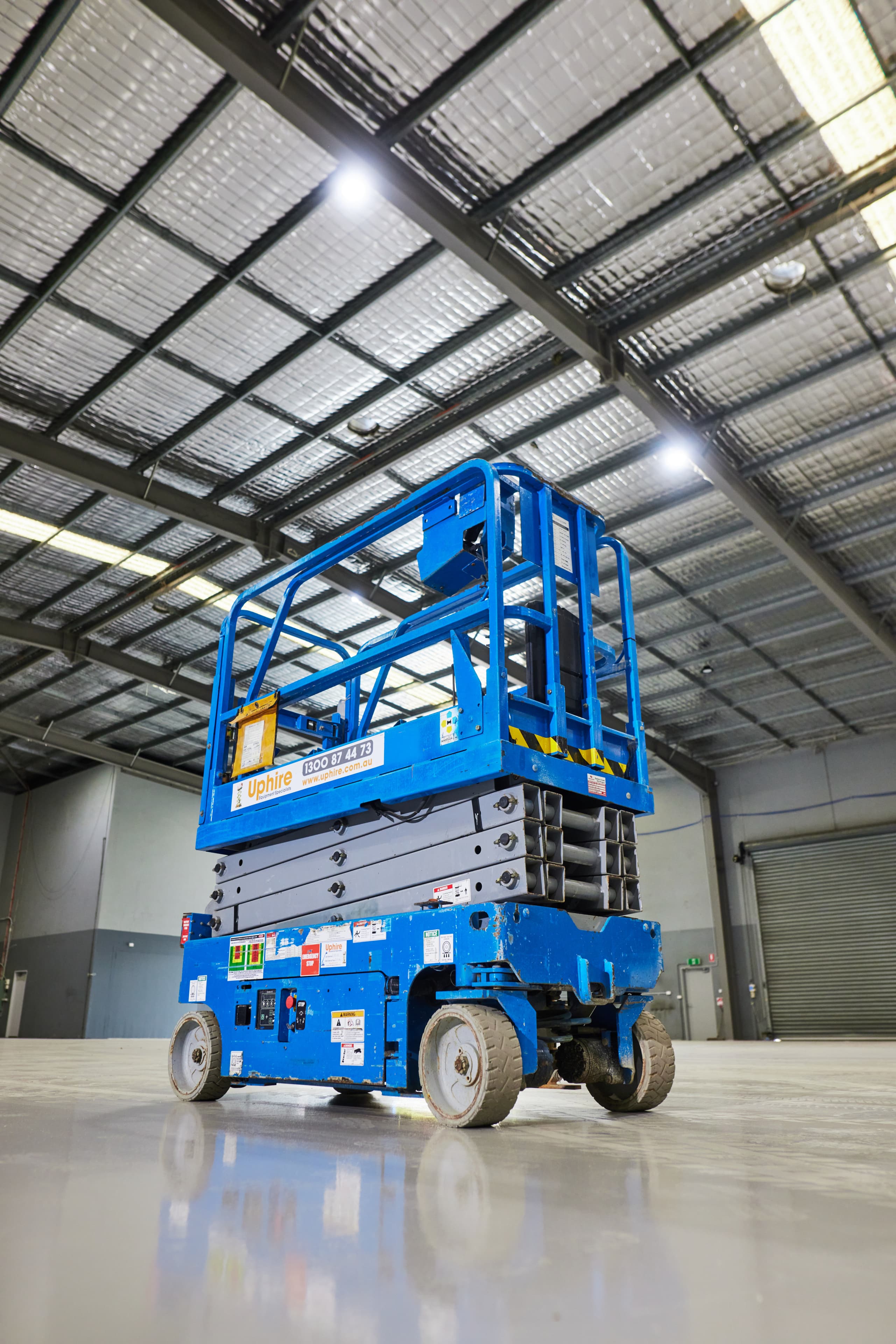
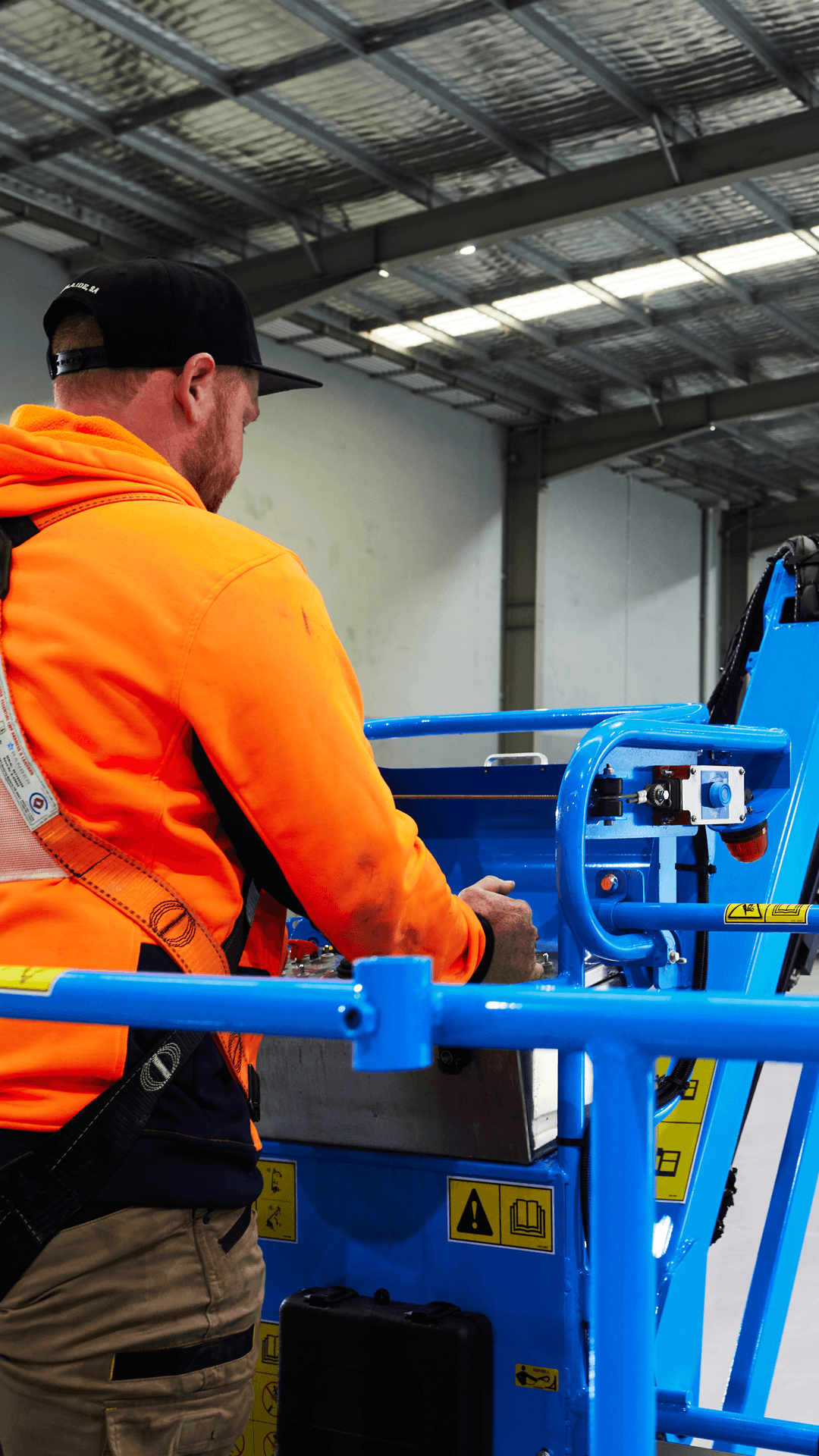
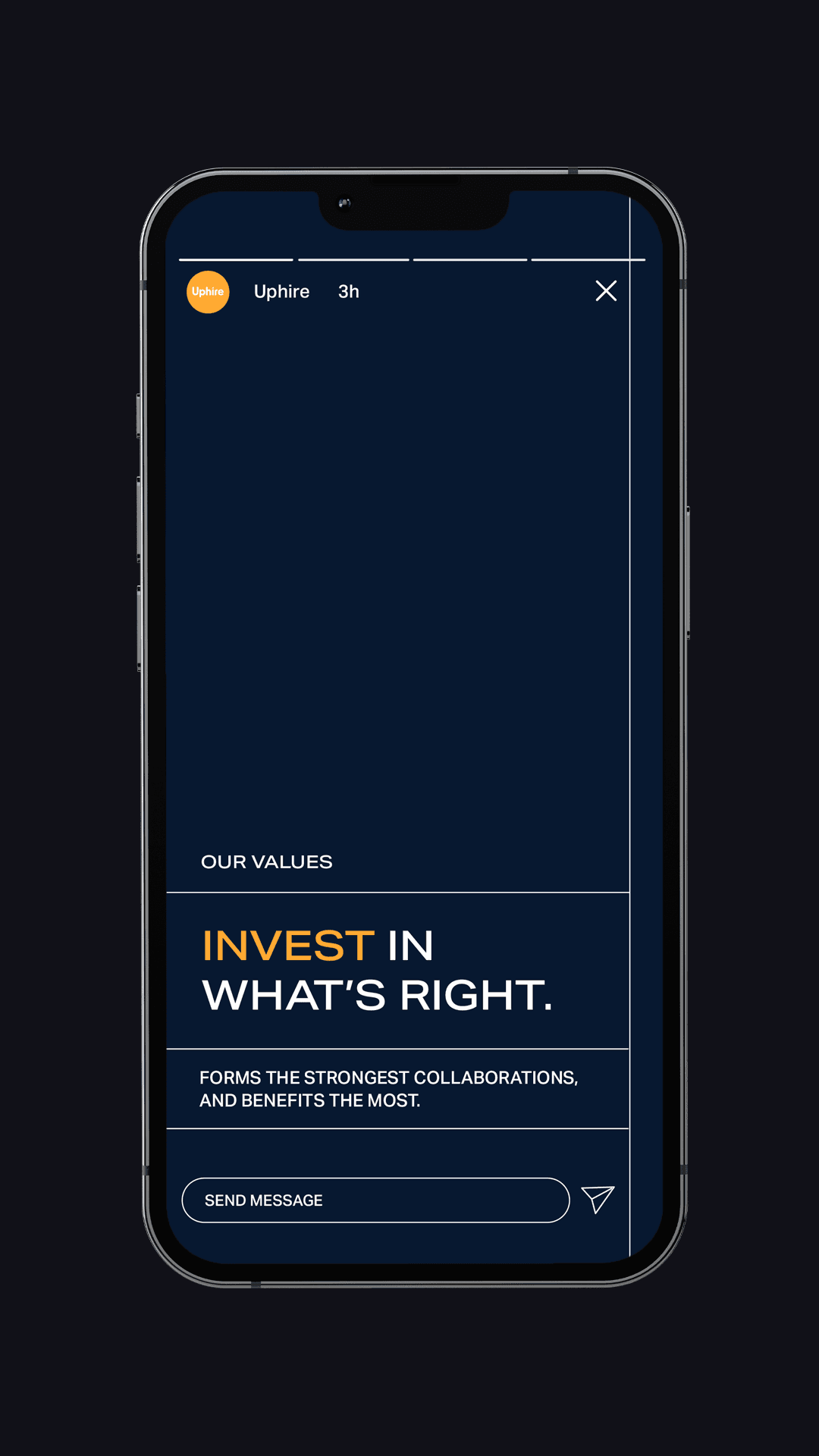
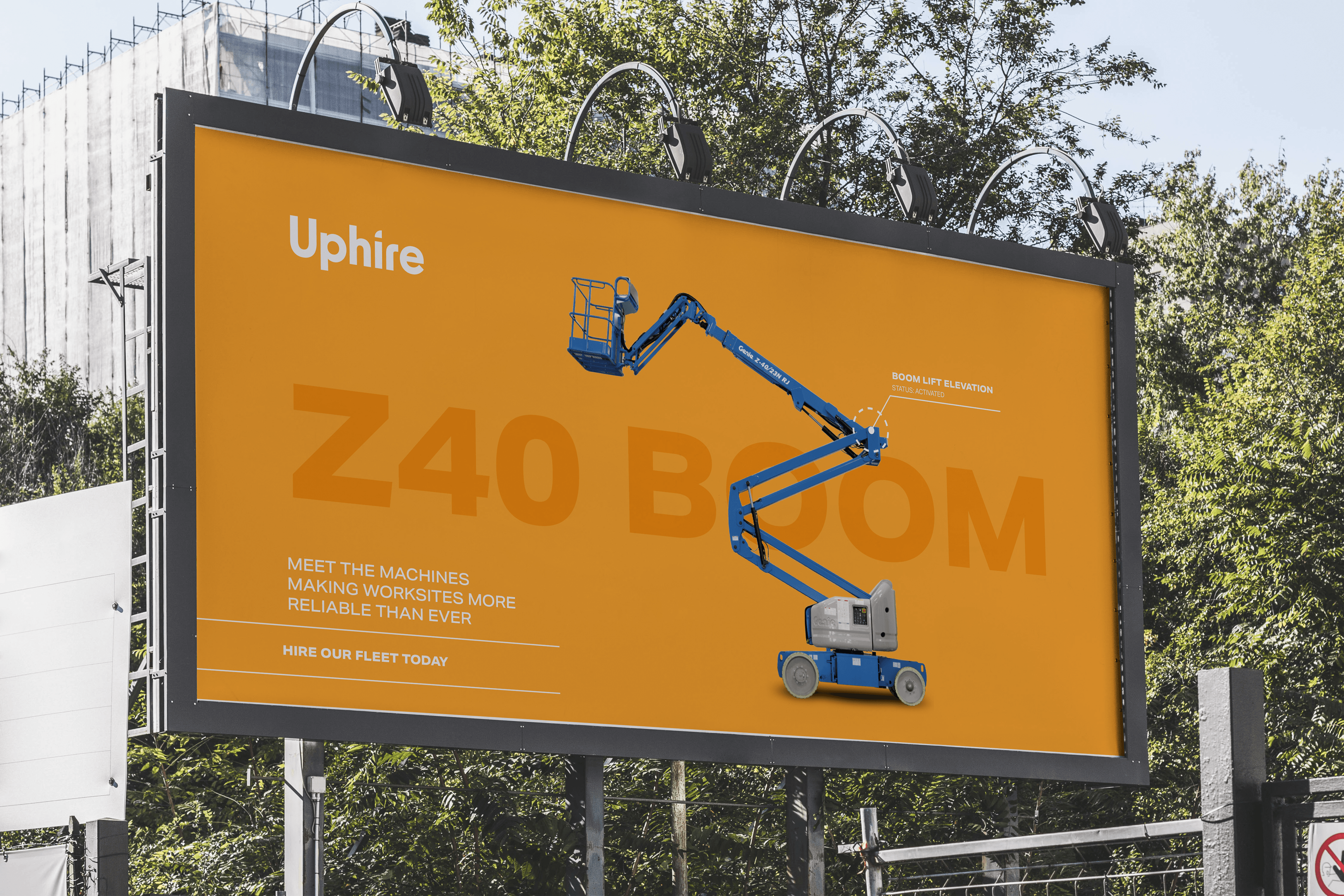
Mude partnered with Uphire on a multi-year journey of brand development and campaign strategy. The work reshaped how the business communicates safety, innovation and trust across the EWP and material handling industries. Our work began with repositioning the brand around its core purpose: lifting industry standards through innovation. We developed a messaging and content framework that unified culture, customer experience and marketing under one clear direction. The engagement expanded into an integrated brand campaign and ongoing digital marketing strategy, reinforcing Uphire’s position as an Australian leader in safety-focused operations. From internal alignment to external storytelling, the result is a brand that now reflects its ambition: dependable, forward-thinking and built to move the industry forward.
- 30+
- Leads worth 10-100k each generated monthly
- 30%
- Increase in targeted website traffic
- 7+
- New marketing channels activated
Mude x Uphire
Case Study Video
Related Projects
View Project
Website
GEOCON
View Project
Website
Site Skills Training
View Project

Website, Graphic Design
Amazon Music
View Project
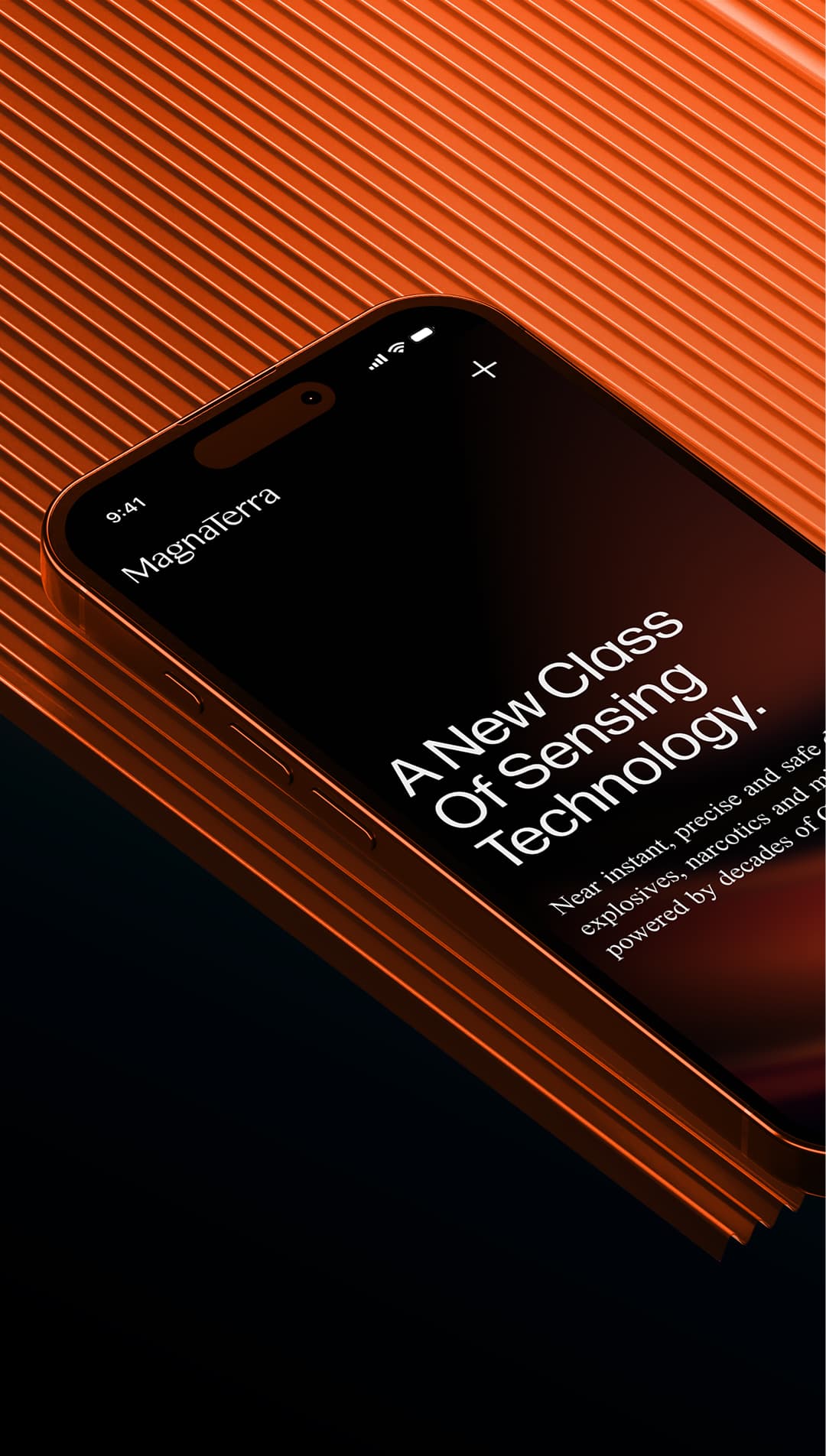
Brand, Website
MagnaTerra Technologies
View Project

Video, Graphic Design
Department of Health, Disability and Ageing
View Project
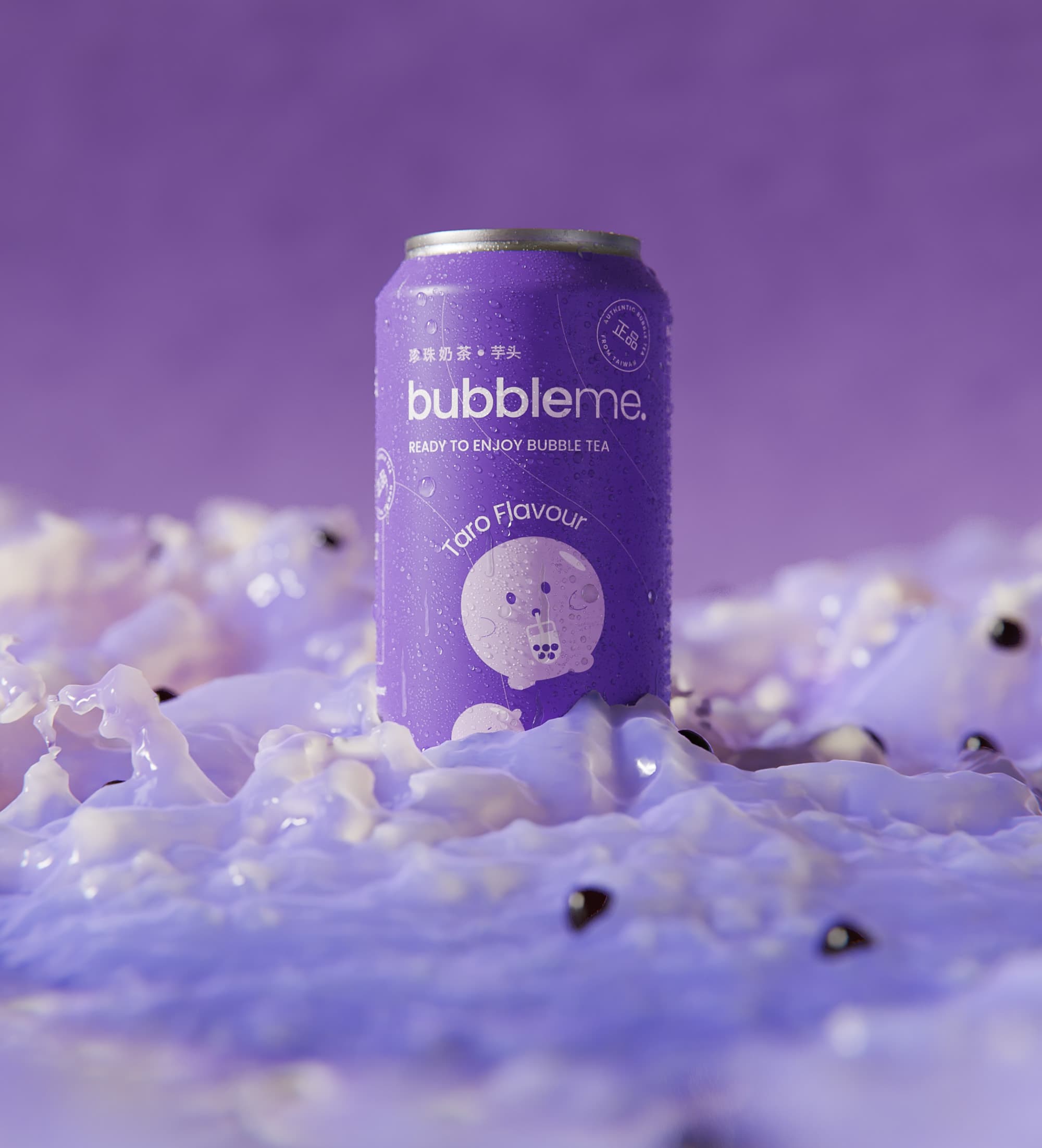
Brand, Graphic Design
ByAsia Food
Pentawards 2023 Shortlist
1View Project
Brand, Website
NextOre
View Project

Brand, Graphic Design
Capital Athletics
Frequently Asked Questions
Common questions about Uphire's B2B brand strategy
Uphire hires out elevated work platforms, materials handling equipment, and traffic management vehicles to Tier 1 and Tier 2 construction sites across NSW and QLD. The company is Australian-owned, independent, and headquartered at St Marys in Western Sydney, with a Queensland branch in Pinkenba and a separate Traffic Management depot in Jamisontown. The EWP fleet covers scissor lifts, cherry pickers, knuckle booms, and ultra-telescopic booms up to 191ft from JLG, Sinoboom, Genie, Haulotte, and Dingli. The materials handling fleet covers telehandlers, industrial and rough-terrain forklifts, and walk-behind forklifts. The Traffic Management Division operates Blade TMA trucks, cone trucks, traffic utes, VMS boards, and light towers compliant with the 2025 TfNSW standard TS 00088:1.0.
Major project deliveries include Western Sydney Airport, Sydney Fish Markets, Penrith Stadium, John Hunter Hospital, Western Harbour Tunnel, Atlassian Central, Brisbane Airport, Sunshine Coast Airport, and the M7/M12 Widening. Head contractors include Multiplex, John Holland, Acciona, Built, ADCO, McNab, Lendlease, CPB Contractors, and BESIX Watpac.
Mude developed Uphire’s B2B brand strategy, brand voice, brand identity, messaging architecture, brand campaign, and digital marketing programme across a multi-year engagement.
Materials handling equipment is the category for machines that move loads horizontally and vertically around a worksite: forklifts (counterbalance, reach, and rough-terrain), telehandlers, pallet jacks, walkie stackers, and order pickers. On a construction site, the equipment moves pallets of facade panels, packs of plasterboard, drums of cable, and bundles of steel from the loading dock to the work face.
Materials handling equipment carries separate licensing requirements to EWPs. Operators of forklifts, order pickers, and telehandlers need a High Risk Work Licence under the WHS Regulation, with class codes LF (forklift truck), LO (order picking forklift), and TL (telehandler). Telehandlers operating below the High Risk threshold sit under the industry’s Telehandler Gold Card programme.
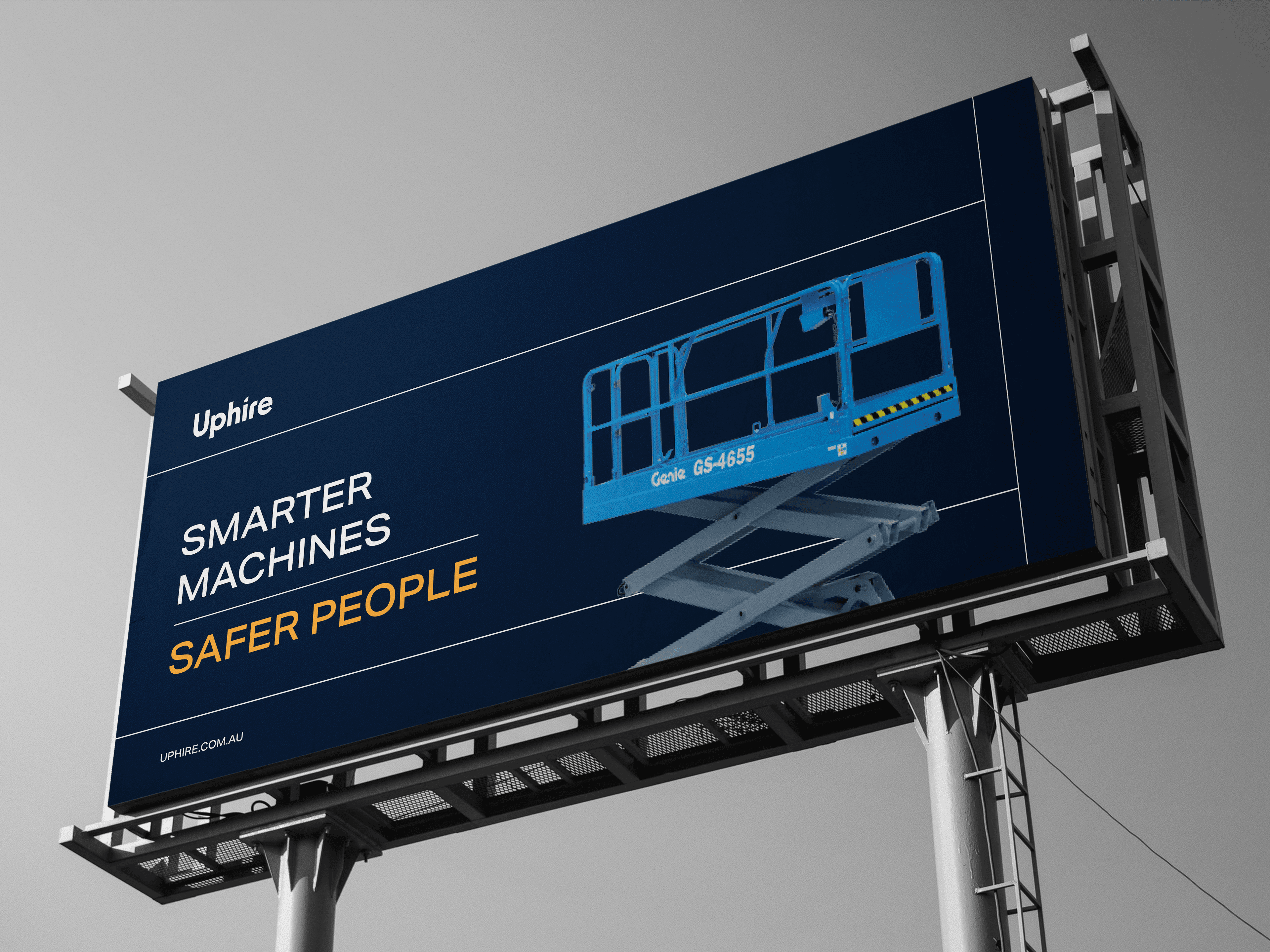
Uphire stocks Merlo telehandlers, Yale and Heli forklifts, and Manitou rough-terrain machines. The materials handling fleet operates alongside the EWP fleet and the Traffic Management Division as a single offer to Tier 1 and Tier 2 sites. Mude’s brand strategy treated EWP, MH, and traffic as one strategic position (Smarter machines, safer people).
Uphire’s brand positioning around safety came out of Mude’s competitive brand audit, which found that almost every Australian equipment hire operator was leading with claims about scale, fleet range, or longevity. Coates Hire’s “Equipped for anything” was the only major exception with a clear positioning idea. The audit identified safety as the available position with a substantial unclaimed commercial argument.
The audience work behind the strategy ranked Tier 1 and Tier 2 site managers and WHS coordinators above procurement officers and contracts administrators as a high-leverage buying-group roles. Site managers and WHS coordinators veto suppliers on safety grounds and generate repeat business through informal endorsement. Tier 1 builders Multiplex and Lendlease are structured around managing out risk, which makes their site managers receptive to suppliers who arrive with clean compliance documentation.
The repositioning produced the tagline (Smarter machines, safer people), the brand voice traits, the three messaging pillars, and the visual system. Uphire has since published a white paper on the 2025 TfNSW standard TS 00088:1.0 (Minimum Requirements for Contractor Vehicles), produced explainer videos featuring its Compliance Manager, and rolled out pin-code operator access and telemetry across its fleet.
The Australian equipment hire category is led by Coates Hire (Australia’s leading national operator, with the positioning line “Equipped for anything”), Kennards Hire (family-owned, with a heavy trade and retail footprint), Onsite Rental Group, and United Forklift and Access Solutions. Below the top tier sit specialist EWP and materials handling operators including Uphire, Active Hire, and various regional players servicing specific equipment categories and geographies.
These national businesses compete on fleet breadth, geographic coverage, and capacity to absorb large multi-state contracts. Their largest accounts are the Tier 1 builders: Multiplex, Lendlease, John Holland, CPB Contractors, Built, and BESIX Watpac.
Uphire operates in the specialist EWP and materials handling segment, competing on safety positioning, telemetry, pin-code access equipment, a training arm covering six accredited courses, and named compliance leadership. Mude’s B2B brand strategy was designed to make those differentiators visible to the WHS coordinators and site managers on Tier 1 sites where the large operators dominate the procurement panels.
An independent EWP company competes with Coates Hire and Kennards Hire on three structural advantages: speed of decision-making (no national approval matrix to route quotes through), depth of relationship with named site managers, and specialisation in equipment categories the national players treat as one of many. The national operators win on fleet breadth, branch density, and capacity to handle multi-state contracts.
Uphire’s competitive brand positioning rests on five specific differentiators built into the B2B brand strategy:
- Telemetry-equipped fleet with pin-code operator access linked to current licensing
- Training arm offering six courses (Yellow Card RIIHAN301E, High Risk Work Licence, VOC, Telehandler Gold Card, Forklift LF Licence, Machine Familiarisation)
- Published compliance leadership, including the white paper on TfNSW TS 00088:1.0 (2025)
- Named compliance contact producing explainer video content for contractors
- A messaging architecture (three pillars, four voice traits, one tagline) that gives every channel a single position
The Mude B2B brand strategy made those proof points visible to Tier 1 site managers and WHS coordinators across the Sydney and Brisbane markets, which Uphire now services through depots at St Marys, Jamisontown, and Pinkenba.
Uphire has supplied EWP, materials handling, and traffic management equipment to more than twenty major Australian construction and infrastructure projects across NSW and QLD.
NSW projects include:
- Penrith Stadium (head contractor John Holland)
- Sydney Fish Markets (Multiplex)
- the M7/M12 Widening (John Holland)
- Western Sydney Airport (Multiplex)
- Western Harbour Tunnel (Acciona)
- Atlassian Central (Built)
- John Hunter Hospital Newcastle (Multiplex)
- Tweed Valley Hospital (Lendlease)
- Warringah Freeway Upgrade (CPB and Downer JV)
- Woolworths Distribution Centre Eastern Creek (BESIX Watpac)
- Kogarah Hospital (WATPAC)
- Shellharbour Hospital (WATPAC)
- Canterbury Pool Redevelopment (Lipman)
- MACTEL Macquarie Park (FDC)
- Kemps Creek industrial estate (CIP)
- Baiada Oakburn Processing Facility (Richard Crookes)
- Heatherbrae Bypass (Seymour Whyte)
QLD projects include Brisbane Airport (ADCO), Sunshine Coast Airport (McNab), and VISY Stapylton (FDC). Sectors covered include health, transport, aviation, food processing, data centres, aquatic infrastructure, education, and commercial property. The case study results (30+ qualified monthly leads at AUD 10–100k of project value each, 30% targeted traffic lift, 7+ marketing channels activated) tracked alongside this portfolio across the engagement.
Since the brand strategy was delivered, Uphire has expanded geographically from Western Sydney into Queensland (opening the Pinkenba branch in Brisbane), added a new category by launching a Traffic Management Division operating from a separate Jamisontown depot, and added a published Telemetry product offering across the EWP and MH fleets.
None of those expansions were brand-led. They were commercial decisions. The brand strategy supported them by giving each move a continuous position to operate under:
- The Queensland branch operates under the same tagline, voice traits, and visual identity as the Sydney HQ, so to a Brisbane site manager who has never used Uphire, the brand reads as established.
WHS safety managers (also titled National Safety Manager, Site Safety Coordinator, or HSEQ Manager) hold significant influence in equipment hire purchasing decisions on Tier 1 and Tier 2 construction sites despite rarely being the formal contract signatory. Their safety-grounded veto can disqualify a supplier from a panel, and their informal endorsement of a supplier creates the kind of repeat business that survives changes in site or project management.
The Mude audience research for Uphire identified the National Safety Manager as a high-leverage role in the five-person buying group because of this multi-directional influence: the WHS coordinator can pressure the procurement officer to refresh the panel, recommend specific suppliers to the site manager, and brief project managers on safety-driven supplier preferences without requiring formal authority.
The Uphire B2B brand voice Mude defined (Safety Champions, Always Available, Helpful and Educational, Accountable) was built specifically against this role’s evaluation criteria. The counterpart “We Aren’t” traits (Dogmatic, Flimsy, Condescending, Dishonest) define what the brand voice rules out across collateral and conversation.
ROI on a B2B construction brand investment is measured against the operating metrics of the business, not the marketing dashboard. For an equipment hire company, the two primary metrics are fleet utilisation (percentage of fleet on hire at any time, with associated revenue) and new accounts won through brand and campaign activity. Conversion rate, web traffic, and social engagement are leading indicators that sit under those two.
The published Uphire case study results include:
- 30+ qualified leads per month, with each lead representing AUD 10,000 to 100,000 of project value
- 30% increase in targeted website traffic across the campaign window
- 7+ new marketing channels activated
The lagging indicator is the project portfolio. Across the Mude B2B brand strategy engagement, Uphire supplied Tier 1 sites including Western Sydney Airport (Multiplex), Penrith Stadium (John Holland), Atlassian Central (Built), Western Harbour Tunnel (Acciona), Brisbane Airport (ADCO), and the Warringah Freeway Upgrade (CPB and Downer JV). Tier 1 procurement decisions often cite supplier history going back three to four years, so brand investment made early in the engagement affects panel decisions years later.
Brand strategy and campaign strategy operate at different time horizons and produce different outputs.
Brand strategy answers: who is the business, what does it stand for, who is it for, what does it commit to across the next five to ten years? Outputs include the brand purpose, values, mission, vision, voice framework, messaging architecture, and visual identity. Brand strategy is typically refreshed every three to five years.
Campaign strategy answers: what does the business do in the market across the next six to twelve months to move a specific commercial number? Outputs include audience targeting, channel selection, creative direction, media planning, and measurement framework. Campaign strategy is typically refreshed quarterly or per campaign.
For Uphire, Mude provided both. The B2B brand strategy produced the position, the tagline (Smarter machines, safer people), the three messaging pillars (Smarter Machines and Efficient Worksites, Safer Worksites and People, Seamless Site Induction), and the visual system documented in the Brand Style Guide v1.0. The brand campaign and digital marketing programme that followed used those foundations to generate the published results: 30+ qualified monthly leads at AUD 10–100k of project value each, 30% targeted traffic increase, 7+ marketing channels activated.
B2B brand strategy is the work that defines who a business-to-business brand is for, what it stands for in its category, what it commits to over five to ten years, and how it differentiates from its competitors. The output covers brand purpose, values, mission, vision, positioning statement, tagline, voice framework, messaging architecture, audience personas, and competitive map.
B2B brand strategy spends additional time on audience analysis because the buying group is plural. For Uphire, Mude built personas for five roles on a Tier 1 construction site (project manager, site manager, WHS coordinator, procurement officer, contracts administrator) and ranked them by their influence on two business metrics: fleet utilisation and new accounts won through campaign activity. The strategy then mapped three messaging pillars (Smarter Machines and Efficient Worksites, Safer Worksites and People, Seamless Site Induction) to high-leverage buying-group roles.
The Uphire B2B brand strategy Mude delivered produced measurable commercial results: 30+ qualified monthly leads at AUD 10–100k of project value each, 30% targeted traffic increase, 7+ marketing channels activated, and a project portfolio expansion onto Western Sydney Airport, Atlassian Central, Brisbane Airport, and Western Harbour Tunnel.
Brand voice (also called tone of voice) is the consistent personality a brand expresses in language across every channel: website copy, sales decks, social posts, email correspondence, customer service replies, and internal communications. In B2B brand voice work, the language has to credibly carry across long sales cycles, technical documentation, and operational communications, beyond marketing surfaces.
Uphire’s brand voice was defined by Mude across two lists. The “We Are” traits define the personality the brand commits to: Safety Champions, Always Available, Helpful and Educational, Accountable. The “We Aren’t” traits define what the brand rules out: Dogmatic, Flimsy, Condescending, Dishonest. Every piece of Uphire collateral, from billboard headlines to quote-email language to compliance white papers, is tested against these eight reference points.
The voice work was specifically calibrated against the WHS safety manager persona, a high-leverage role in the Tier 1 buying group. Safety managers respond to suppliers who sound knowledgeable, accountable, and helpful.
Uphire is one of Mude’s case studies in Australian B2B brand strategy because the engagement covered the full brand work programme (brand audit, strategy, brand voice, brand identity, brand style guide, campaign, digital marketing) and the commercial results are documented. The brand strategy repositioned Uphire around safety as a measurable commercial outcome.
The published results across the engagement: 30+ qualified leads per month at AUD 10–100k of project value each, 30% increase in targeted website traffic, 7+ new marketing channels activated. The project portfolio expanded to include Western Sydney Airport (Multiplex), Penrith Stadium (John Holland), Atlassian Central (Built), Western Harbour Tunnel (Acciona), Brisbane Airport (ADCO), and more than fifteen other Tier 1 and Tier 2 infrastructure projects across NSW and QLD.
The case study covers the standard Australian B2B brand strategy structure: workshops, strategy document, style guide, voice framework, messaging pillars, and campaign rollout. The Uphire work sits alongside other Mude B2B brand strategy case studies including Site Skills Training and NextOre.
EWP stands for Elevated Work Platform: a mobile machine that lifts workers and tools to height to perform a task. The Australian category covers scissor lifts (vertical-only platforms on a crossed-leg mechanism), boom lifts (articulating or telescopic arms that reach over obstacles), vertical mast lifts, push-around lifts, and trailer-mounted cherry pickers. EWP hire is the primary access solution on multi-storey commercial, infrastructure, and industrial sites because scaffold is slower to rig, more expensive for short-duration tasks, and hard to compliance-check.
In Australia, EWP operation above 11 metres requires a High Risk Work Licence (WP class) issued under state SafeWork regulators. Operation below 11 metres requires the EWPA-issued Yellow Card (code RIIHAN301E), which most Tier 1 sites mandate regardless of platform height. Hire companies are responsible for delivering machines with current logbooks, valid pre-start records, and serial number traceability so site managers can complete plant induction without delaying the trade.
Uphire stocks JLG, Sinoboom, Genie, Haulotte, Almac, and Dingli EWPs, with flagship telescopic booms including the Genie SX-180 (180ft) and the Sinoboom TB58RJ Plus (191ft). Mude’s B2B brand strategy positioned the EWP offering around safety as a commercial outcome (telemetry, induction documentation, pin-code access).
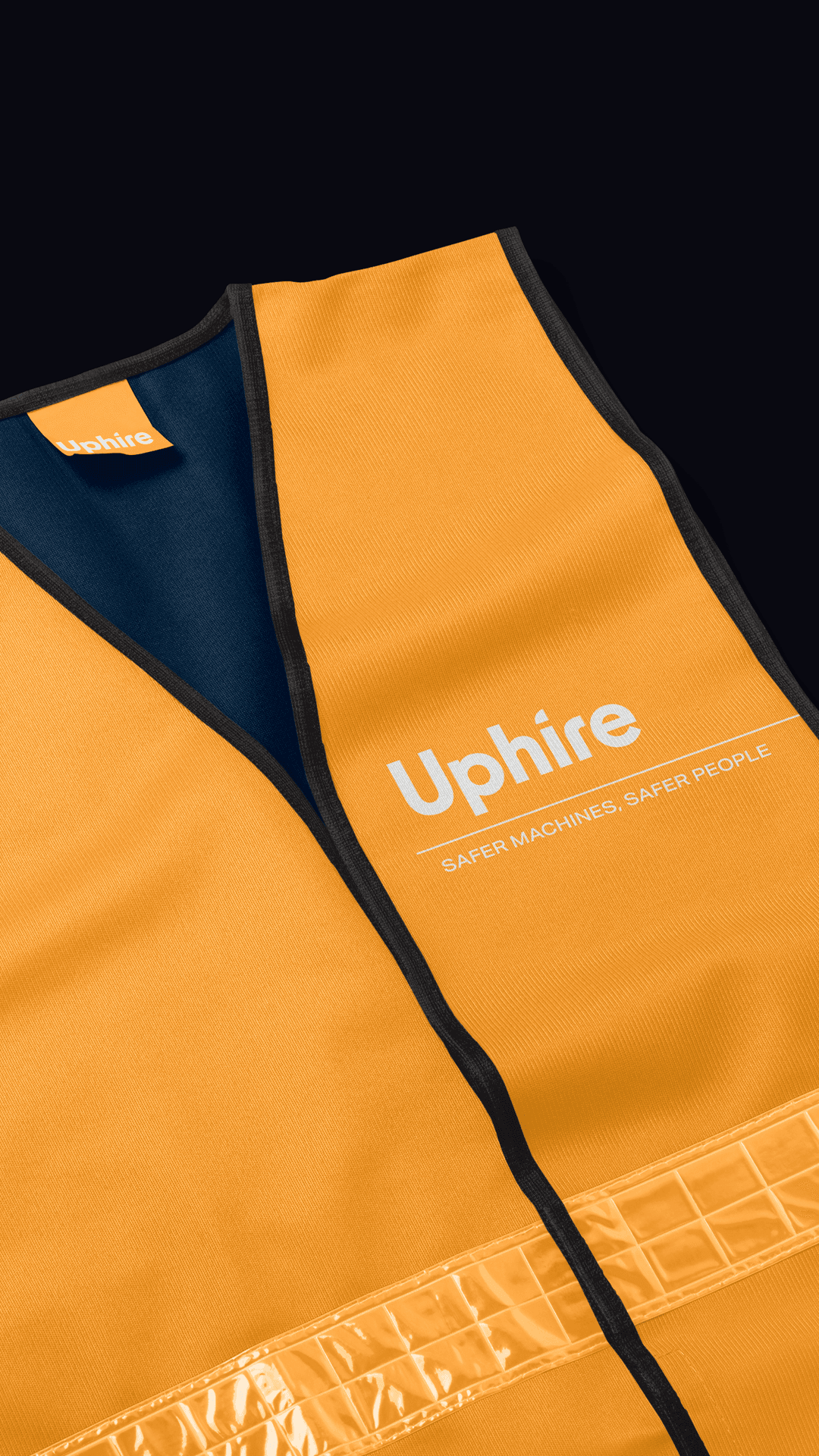
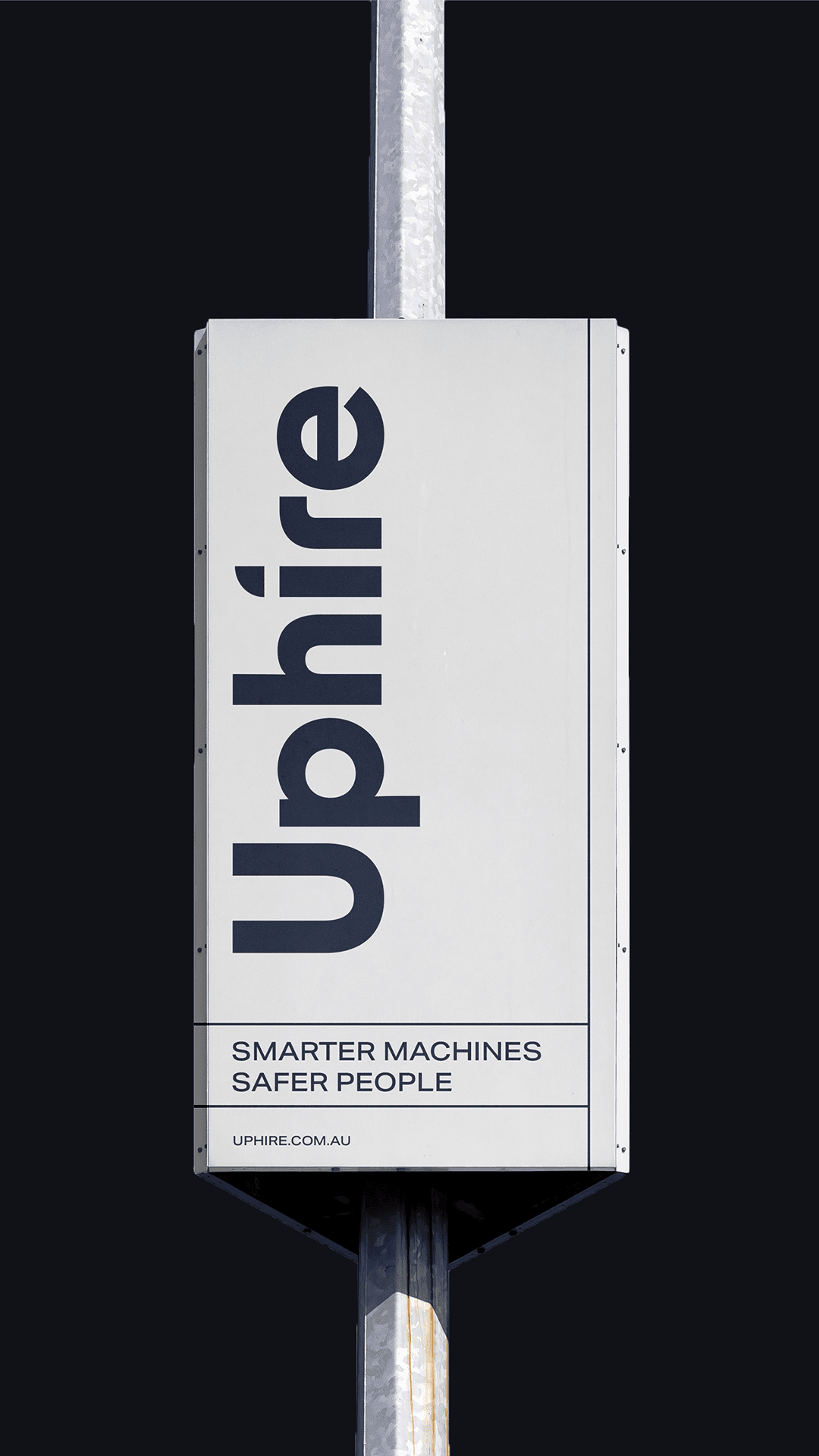
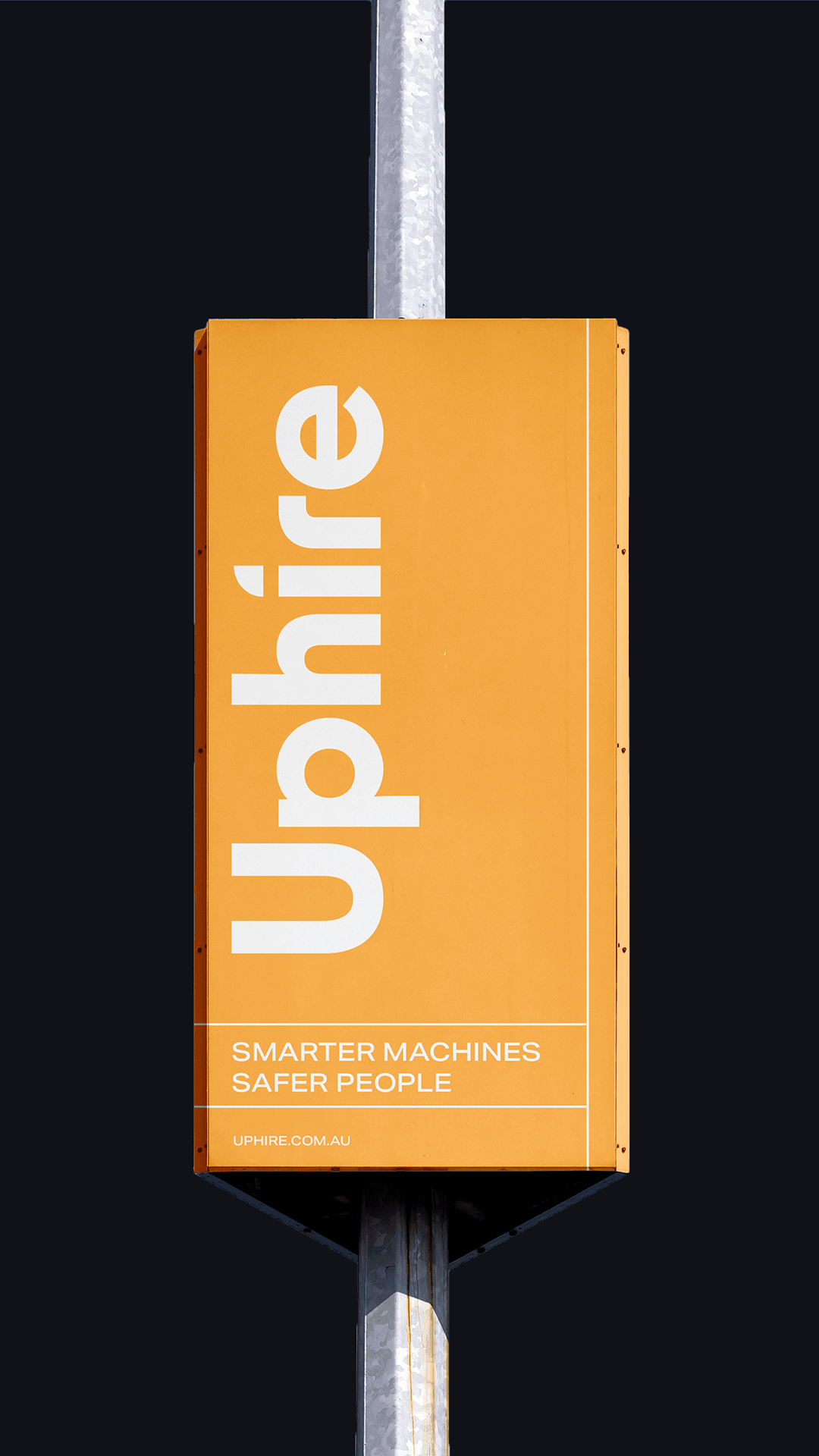
“Smarter machines, safer people” is Uphire’s brand tagline and the centrepiece of the brand positioning developed by Mude as part of the B2B brand strategy. The line sits over a long brand value proposition: Uphire helps construction companies save time, money, and lives on their worksites by equipping the EWP and MH fleet with technology that monitors and optimises machine safety, site inductions, and maintenance procedures.
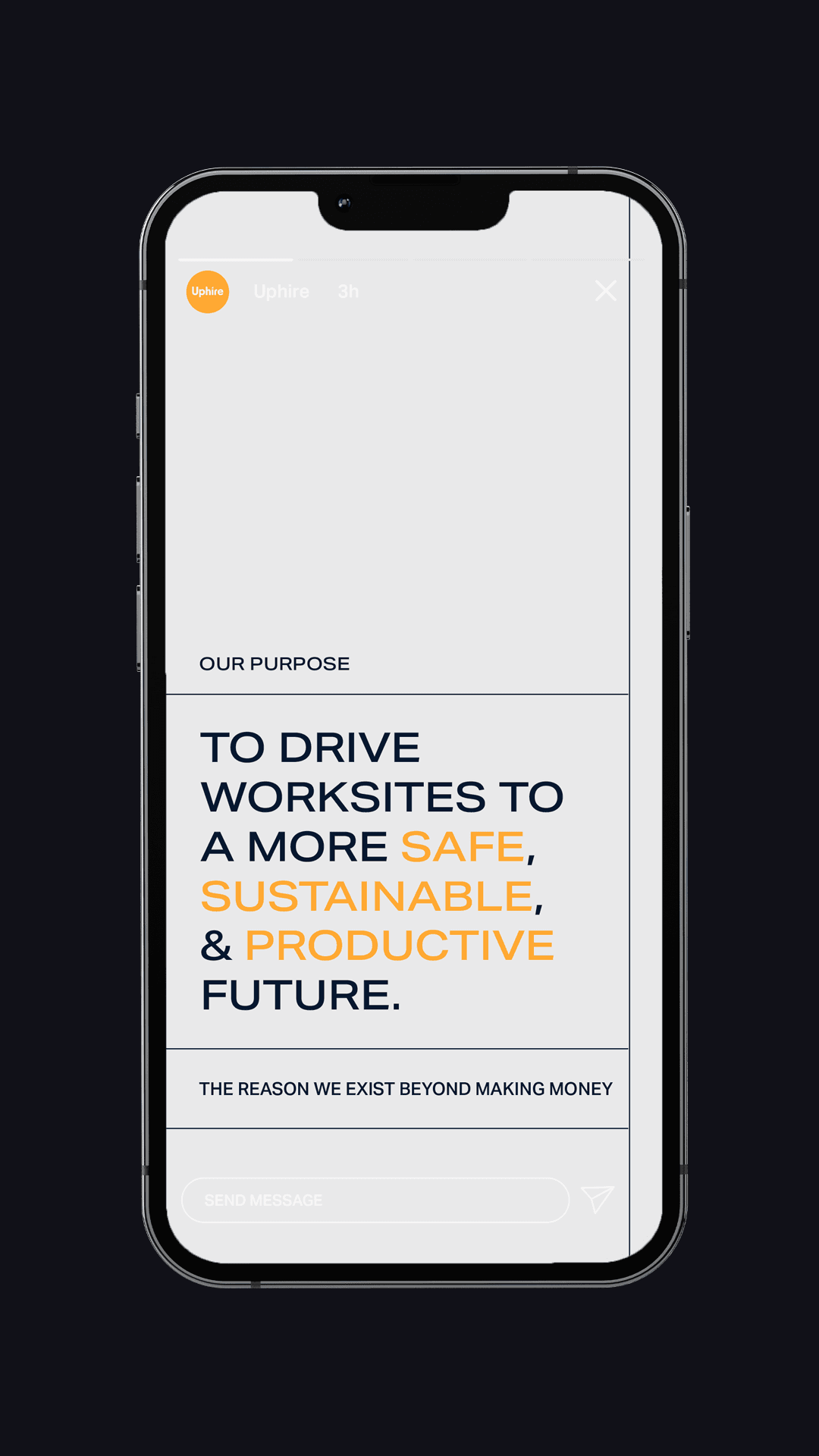
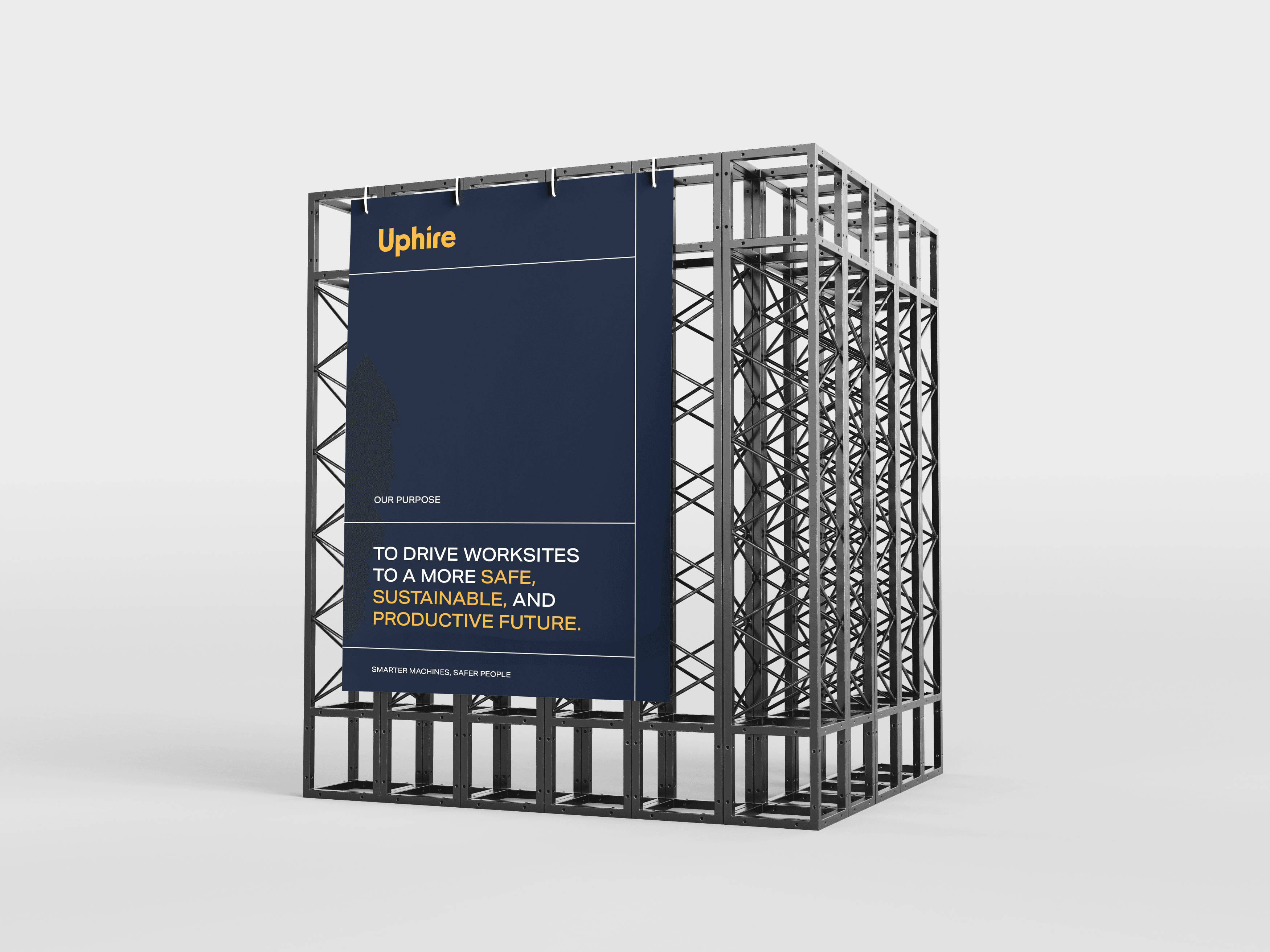
The “smart machines” half maps to telemetry, monitoring, and pin-code operator access, formalised in Uphire’s Telemetry Presentation published in November 2025. The “safer people” half maps to the brand voice traits Mude defined: Safety Champions, Always Available, Helpful and Educational, Accountable. Both halves connect to the brand purpose (to drive worksites to a safe, sustainable, productive future) and to three messaging pillars (Smarter Machines and Efficient Worksites, Safer Worksites and People, Seamless Site Induction).
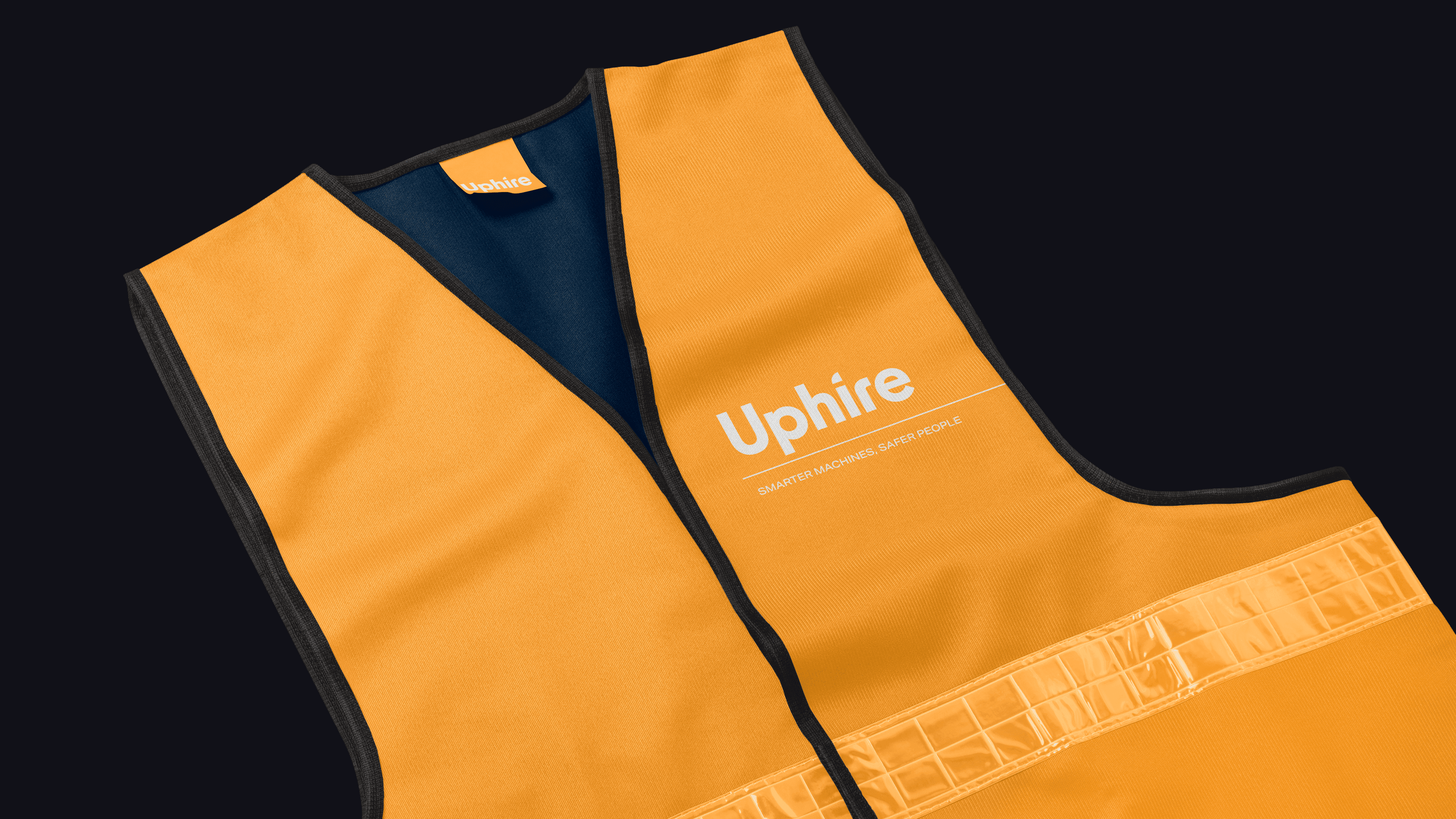
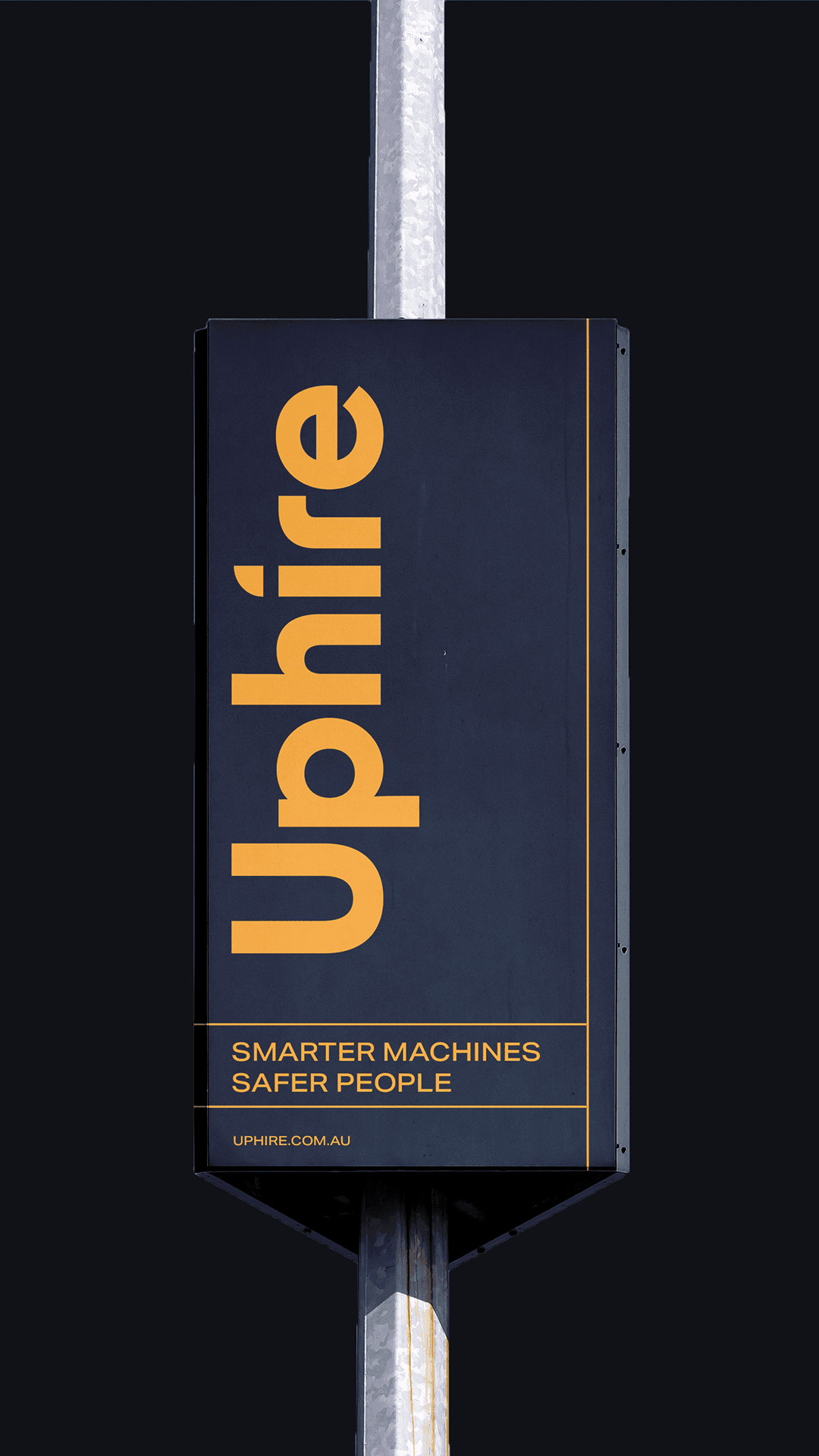
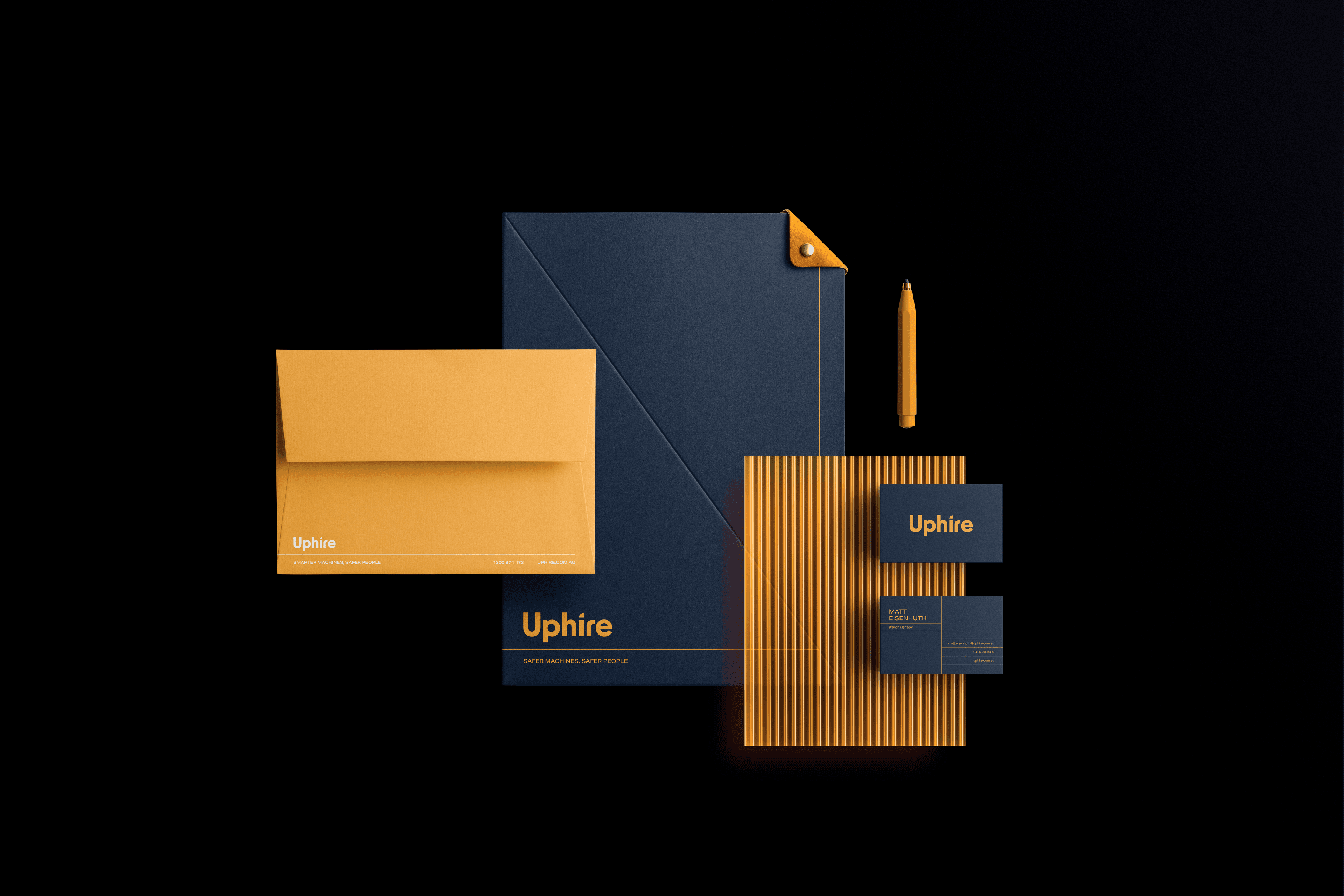
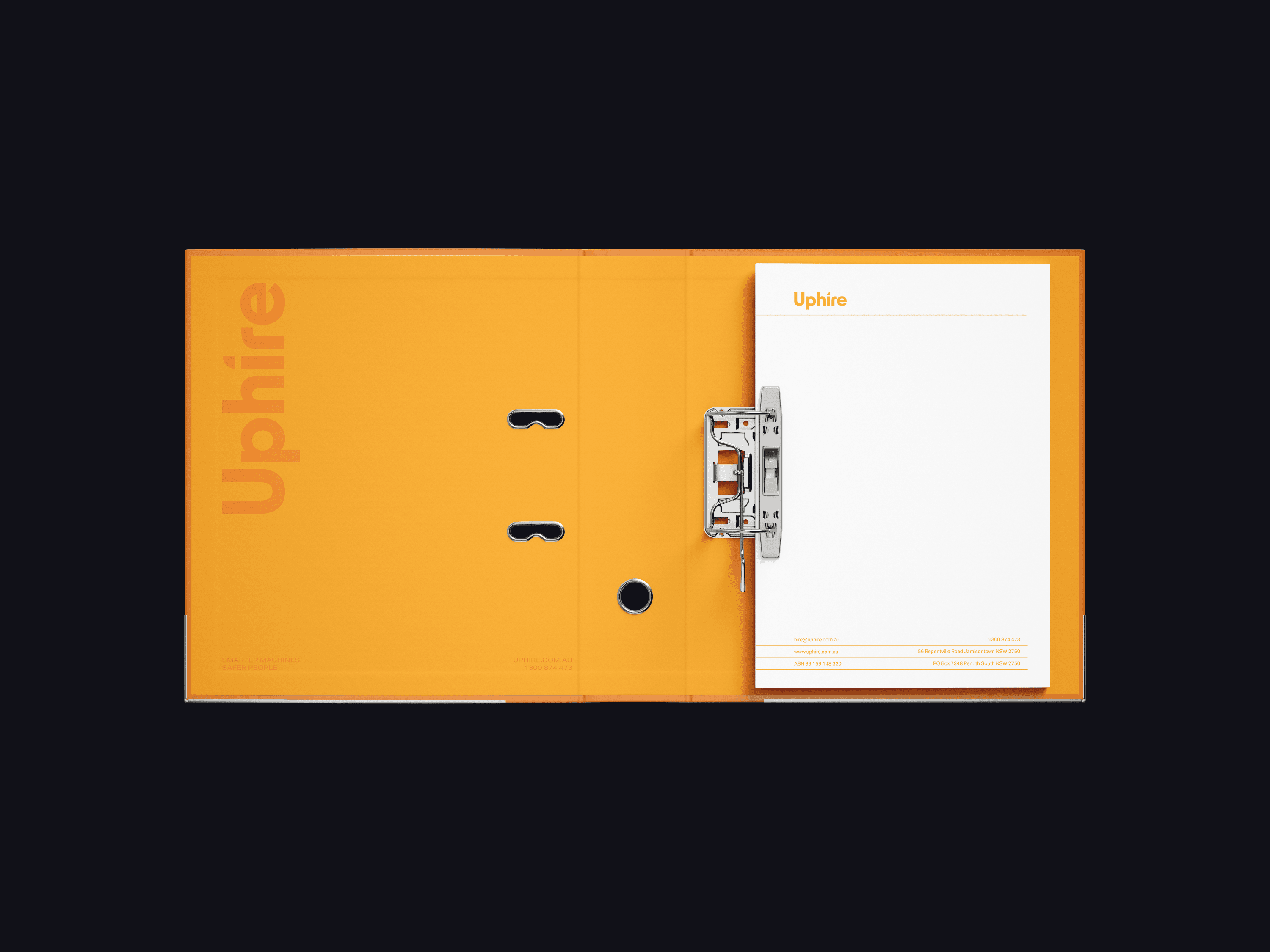
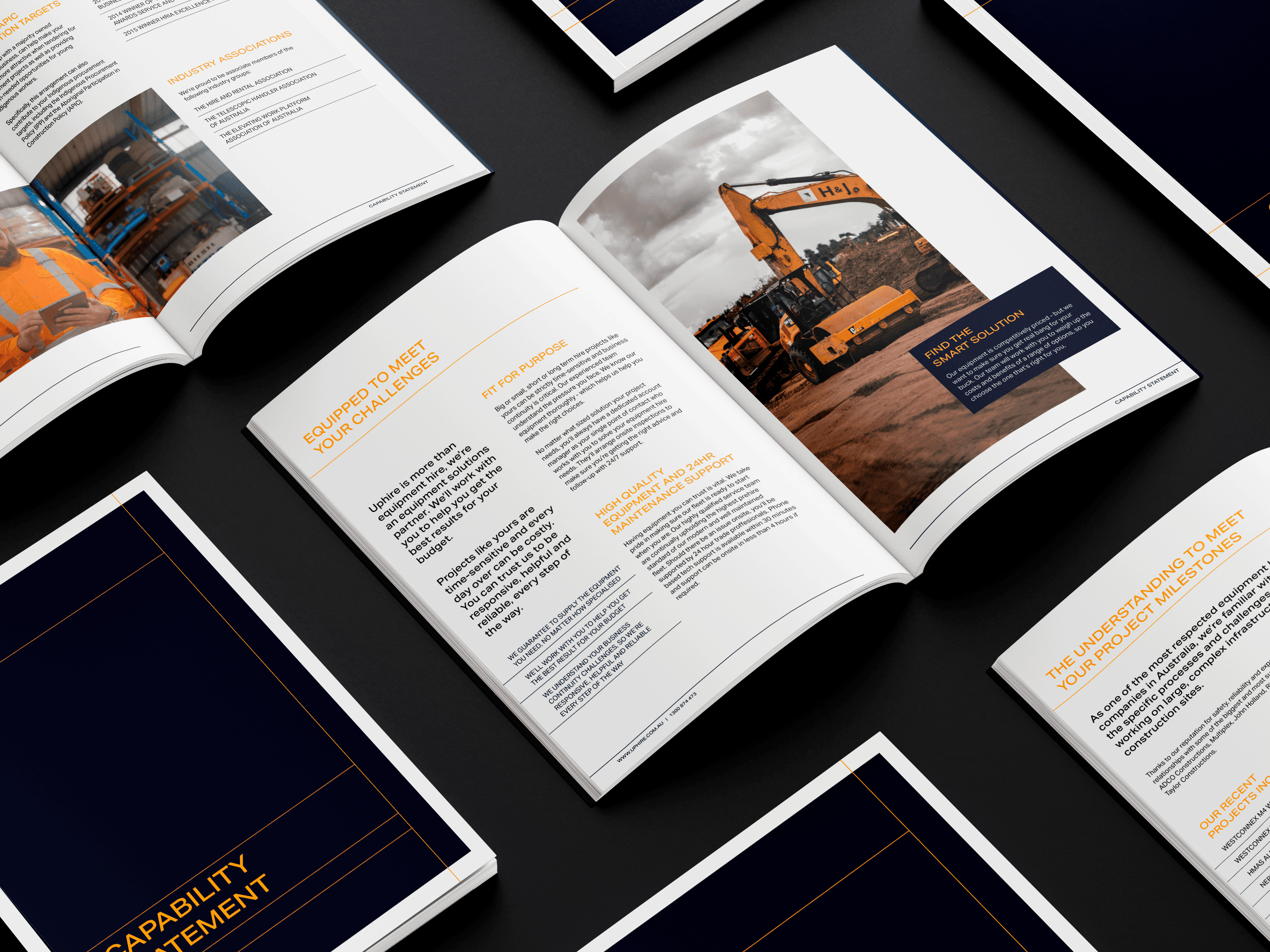
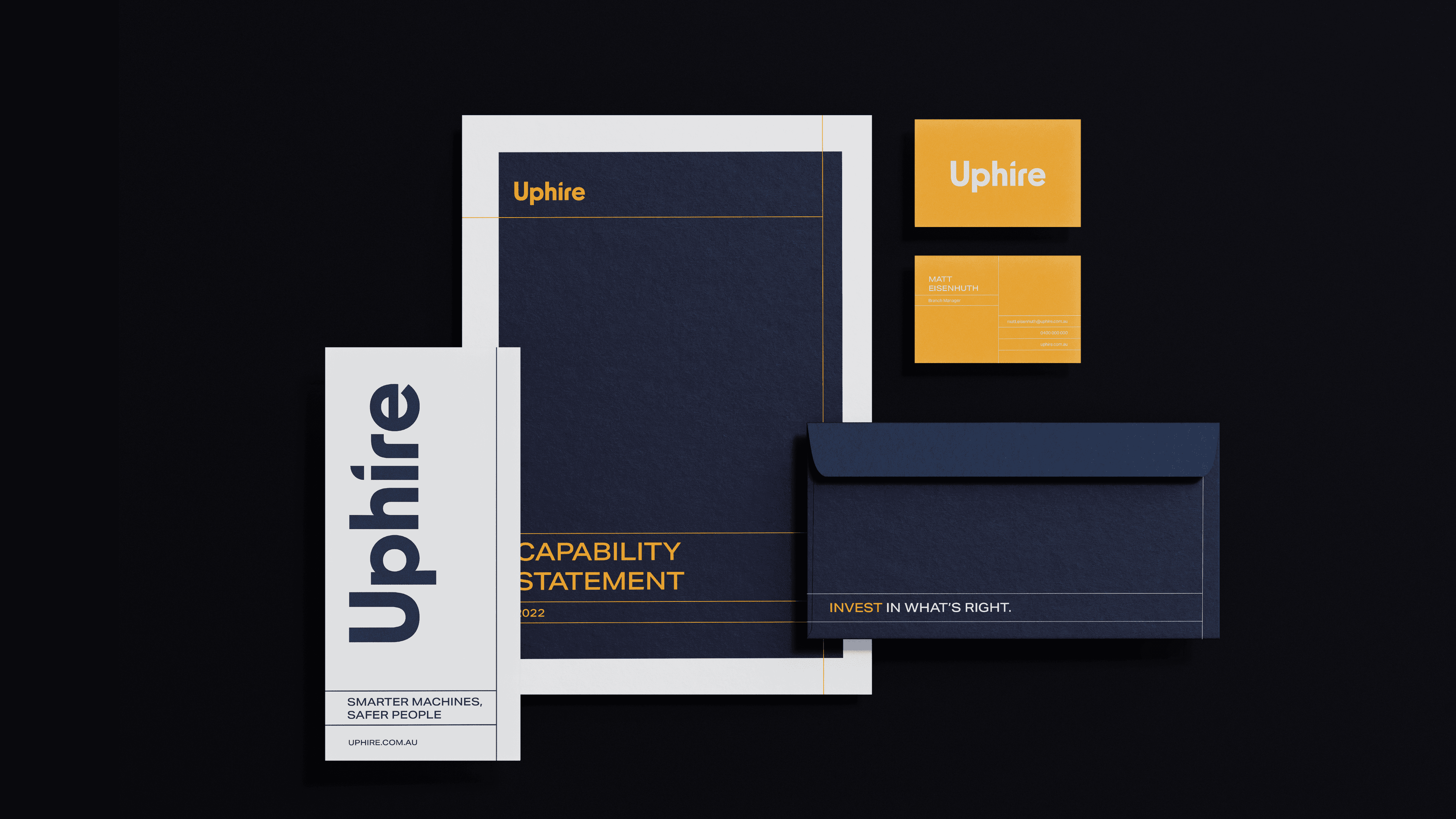
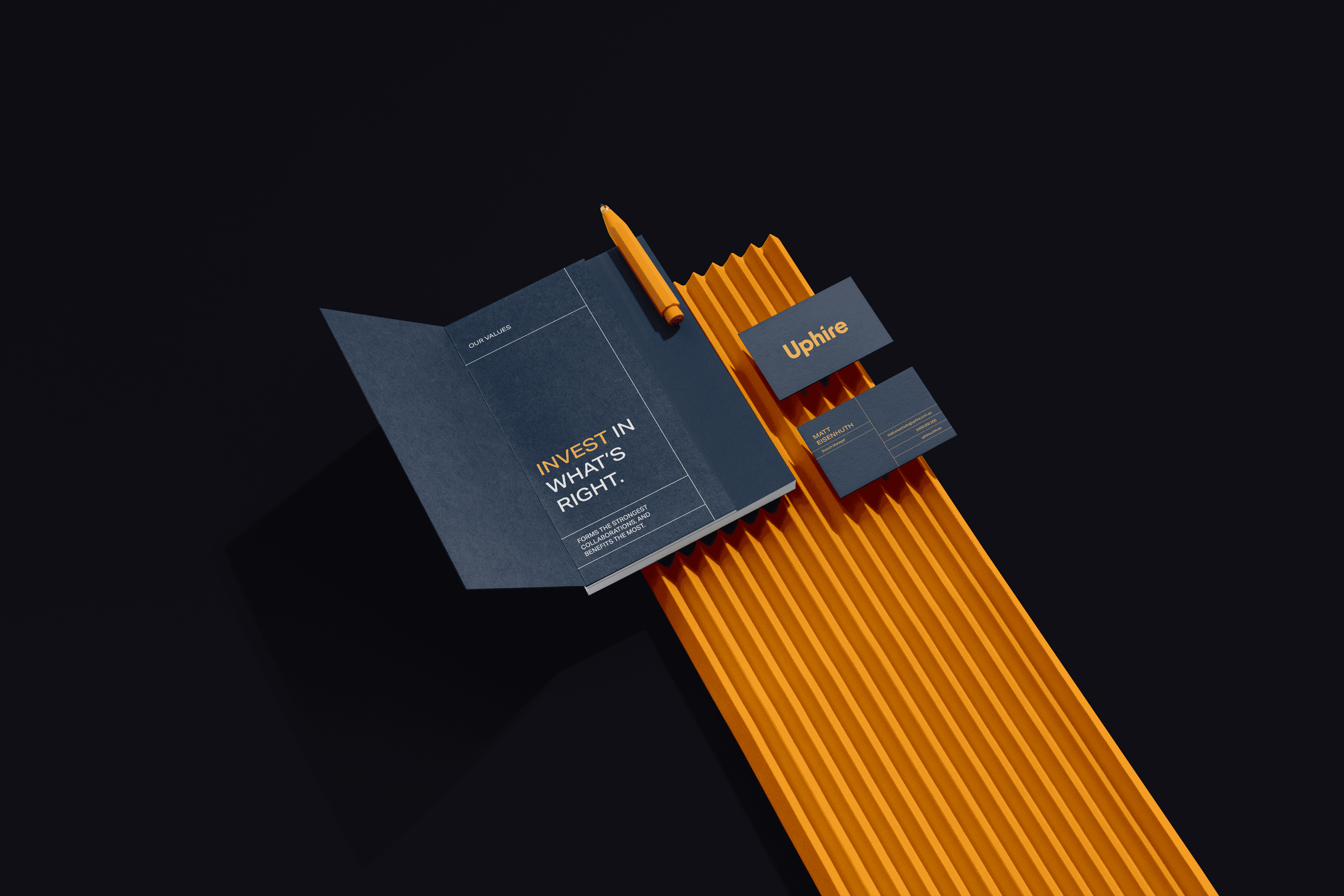
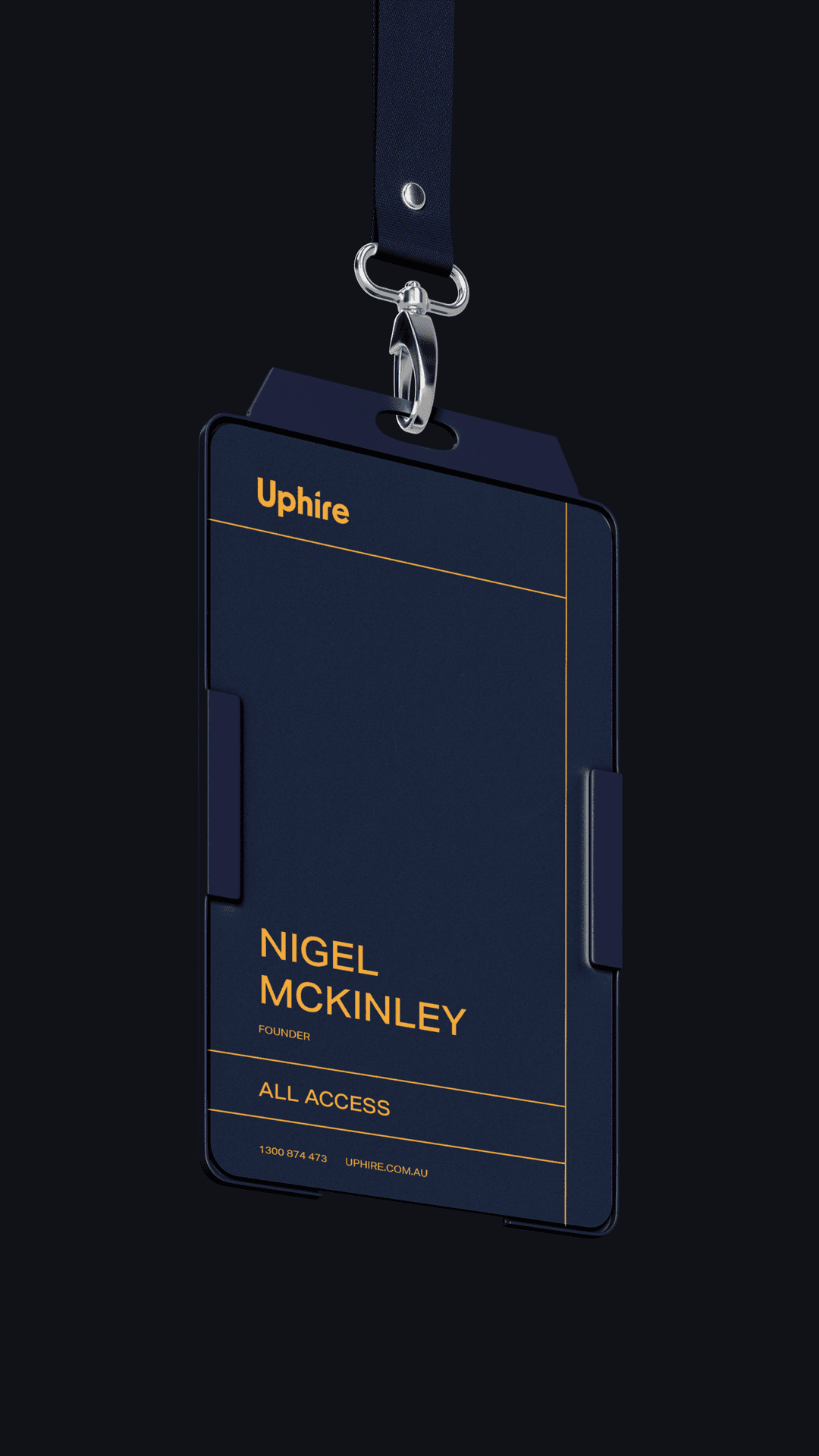
The tagline appears across Uphire collateral developed under the brand work, including business cards, email signatures, social templates, the Capability Statement (refreshed November 2025), and presentation decks for product showings.
Building a brand strategy for an equipment hire company starts with mapping the buying group. On a Tier 1 site the decision involves five roles:
- the project manager who books the contract
- the site manager who runs plant on the ground
- the WHS coordinator who has multi-directional influence and safety veto
- the procurement officer who runs the panel
- the contracts administrator who handles tender paperwork
For Uphire, Sydney brand strategy agency Mude ran four workshops. Workshop 1 covered Brand Core: purpose, values, mission, vision. Workshop 2 covered Brand Behaviour and Cultivation: visual identity audit, activating narrative, awareness goals. Workshops 3 and 4 covered audience personas (Tier 1 PM, subcontractor PM, National Safety Manager) and competitor analysis. The outputs were a Strategy Report v1.0, a Brand Style Guide v1.0, a tone of voice framework, three messaging pillars, and an awareness roadmap that scored 30+ marketing activities by ease and impact.
The Style Guide covered the primary palette (Core Orange #FFA932, Navy #071830, Grey #E9E9EA), the secondary palette (Accent Orange #FA9115, Accent Navy #082644), and Aktiv Grotesk as the brand typeface across Regular, Medium, Extended Medium, and Extended Extra Bold weights.
The Australian construction equipment hire industry is a multi-billion dollar category supplying EWP, materials handling, earthmoving, and general site equipment to commercial construction, infrastructure, mining-adjacent, and industrial sectors. Demand is driven by the Tier 1 builder ecosystem (Multiplex, Lendlease, John Holland, CPB Contractors, Built, BESIX Watpac) and by the Tier 2 and Tier 3 trade subcontractors who do most of the actual hiring on the ground.
Three structural features shape the category. Hire rates are highly comparable across operators, so price competition is constant and margins are tight. Geographic branch coverage acts as a competitive moat for the large national operators and a barrier to entry for new players. Technology adoption is uneven across operators, particularly around telemetry, fleet management software, and integrated induction systems, which creates space for specialists who invest ahead of the curve.
Uphire’s brand positioning in the category sits on the third feature. Mude’s B2B brand strategy positioned the company around safety as a commercial outcome, with telemetry, pin-code access, and integrated compliance documentation as the proof. The case study results (30+ qualified monthly leads at AUD 10–100k of project value each, 30% targeted traffic increase, 7+ marketing channels activated) followed.
On a Tier 1 construction site, Uphire’s buying group covers five roles: project manager, site manager, WHS coordinator, procurement officer, and contracts administrator. Each role has different motivations, different timelines, and different power in the decision.
The Mude audience research ranked the WHS coordinator (also titled National Safety Manager or HSEQ Manager) and the site manager as a high-leverage roles. The WHS coordinator has veto power on safety grounds and creates repeat business through informal supplier endorsement to peers. The site manager runs plant scheduling on the ground and decides which suppliers get the call when a project goes off plan. Project managers and procurement officers operate further from the day-to-day work and generally follow the recommendation of the site team.
The personas Mude built around these roles in the B2B brand strategy cover a Tier 1 project manager managing $100M+ contracts at a major builder, a subcontractor project manager working across electrical or mechanical trades, and a National Safety Manager pushing safety innovation across an entire enterprise. Each persona maps to one of the three messaging pillars: Efficient Worksites for the PM, Safer Worksites for the WHS lead, Seamless Site Induction for the site manager.
Telemetry in equipment hire is the data layer attached to a machine: GPS location, engine and battery state, usage hours, pre-start completion, fault codes, and operator access logs. On a modern EWP or telehandler, telemetry feeds into a fleet management dashboard that lets the hire company schedule maintenance proactively, verify pre-starts have been completed, and trace which operator was in the basket when an alarm or incident occurred.
Telemetry addresses three of the most expensive failure modes in equipment hire:
- Unexpected downtime mid-shift, where a machine fails on a Tier 1 site and the contractor loses production hours
- Missing or fabricated pre-start records during a WHS incident investigation
- Unauthorised operation by someone without a current Yellow Card or High Risk Work Licence
Pin-code operator access linked to current licensing is the most recent technology answer to the third failure mode. Uphire deploys pin-code access across its EWP fleet and publishes a dedicated Telemetry Presentation (November 2025) covering the smart-tech offering across machines from JLG, Sinoboom, Genie, Haulotte, and Dingli. Telemetry is the product-level expression of the “Smarter machines” half of the Mude tagline.
A messaging pillar in a B2B brand strategy is a strategic territory a brand commits to communicating consistently across every channel and over multiple years. Pillars sit between the high-level brand position (one tagline, one value proposition) and the specific content the brand produces (campaigns, social posts, sales decks, capability documents). They function as content buckets that determine what gets made and what falls outside the brand’s strategic scope.
For Uphire, Mude defined three messaging pillars:
- Smarter Machines and Efficient Worksites: telemetry, fleet data, productivity gains, sustainable machinery across hybrid, solar, and electric
- Safer Worksites and People: risk reduction, safety check assurance, continued innovation around safety standards including the 2025 TfNSW TS 00088 work
- Seamless Site Induction: reliable delivery, call-out service, induction documentation, aftersale support
Each pillar maps to a primary audience role in the Tier 1 buying group: the project manager around Efficient Worksites, the WHS coordinator around Safer Worksites and People, the site manager around Seamless Site Induction. Content produced under each pillar speaks to its assigned audience without the brand needing separate sub-identities for each role.
A full B2B brand strategy engagement in construction typically runs across three to four months of structured workshop and document production time, followed by a 12-to-24 month rollout phase covering collateral, campaign work, and digital channel activation.
The Uphire engagement followed this shape:
- Strategic foundation: brand core workshops covering purpose, values, mission, vision; audience and competitor work; visual identity audit; activating narrative; awareness goals scoring
- Documentation: Brand Style Guide v1.0 and Strategy Report v1.0
- Rollout: brand campaign development, content frameworks, digital marketing programme
The published results (30+ qualified monthly leads at AUD 10–100k value each, 30% targeted traffic increase, 7+ marketing channels activated) accrued over the rollout window. Mude’s engagement with Uphire covered a multi-year programme of B2B brand strategy services, campaign development, and digital marketing. The workshops set the foundation; the campaign and digital marketing rollout that followed produced the published commercial results.
Mude is one of the Australian brand and design studios working in the construction and industrial B2B sector. Mude’s published construction-sector case studies include:
- Uphire: B2B brand strategy, B2B brand identity, brand voice, and brand campaign and digital marketing for the EWP, materials handling, and traffic management hire company
- Site Skills Training: brand and digital work for a construction-sector RTO
- Geocon: brand work for the Canberra-based property developer
- NextOre: brand and website work for a CSIRO commercialisation operating in mineral extraction technology
Construction-sector brand work has structural differences from consumer-side branding. The buyer is plural (project manager, site manager, WHS coordinator, procurement officer, contracts administrator), the buying cycle is long, and the decision criteria centre on compliance documentation, safety performance, and operational reliability.
Mude’s construction practice sits inside a broad studio offering across FMCG (Skyline, Full Proof), hospitality, government (BCA, BreastScreen Australia, ASPI), healthcare, and music (Amazon Music, Chugg Music). The construction work has scaled alongside the broad practice.
B2B branding is the practice of building a brand for a business whose customers are other businesses. The buying decision in B2B is typically plural (multiple roles across procurement, operations, finance, technical, and executive) and long (six to eighteen months for considered purchases). B2B brand work is judged by whether it changes the way those buying groups perceive the supplier, not by whether it changes how consumers feel.
The structural difference from consumer branding sits in three places. The audience is named (specific roles at specific companies), the buying cycle is long enough that brand reputation accrues between purchase events, and the decision criteria centre on risk, compliance, and operational fit. A B2B brand that does not address risk and credibility specifically tends to underperform in tender and panel selection processes.
Mude is one of Australia’s specialist B2B branding agencies, with B2B brand strategy work covering companies including Uphire (EWP and materials handling for Tier 1 construction), Site Skills Training (construction-sector RTO), and NextOre (CSIRO commercialisation in mineral extraction). Each one operates inside a plural buying group with multi-year decision cycles.
Brand strategy is the foundation document for a brand: who it is, what it stands for, who it serves, what it sounds like, what it looks like, and what it commits to deliver across the next five to ten years. The work produces a defined brand purpose, values, mission, vision, positioning statement, audience personas, competitor analysis, messaging pillars, tone of voice framework, and the visual identity direction that flows from those decisions.
Brand strategy sits above campaign strategy and below business strategy. Business strategy defines what the company will do commercially. Brand strategy defines how that commercial intent is expressed and recognised. Campaign strategy puts the brand into market in defined windows of activity. The three connect. They are produced at different cadences and reviewed against different metrics.
For Uphire, Mude delivered the brand strategy services through four workshops, with outputs documented in a Strategy Report v1.0 and a Brand Style Guide v1.0. The strategy named the tagline (Smarter machines, safer people), the three messaging pillars, the four brand voice traits, and the visual system that carried the brand from a Western Sydney depot operator into a national supplier on projects including Western Sydney Airport and Atlassian Central.
A brand audit is the structured assessment of how a brand currently performs across visual identity, verbal identity, market position, audience perception, and competitive context. The audit produces a written diagnostic that names the brand’s strengths, weaknesses, and the strategic opportunities available for the next phase of work. Audits are typically the first project a new brand agency runs before recommending strategy or design changes.
For Uphire, Mude’s audit work covered three areas:
- Visual identity audit: assessment of the existing logo, palette, typography, and collateral against the brand’s commercial intent. The audit found the existing identity “under-developed and inconsistent”, “outdated, reflect where we were 7 or 8 years ago”, and “typical of industry, blends amongst our competitors”
- Competitive audit: review of how Coates Hire, Kennards Hire, and other Australian equipment hire operators positioned themselves in market language, identifying that almost every competitor was leading with self-referential claims (range, longevity, 24/7 service) with Coates’ “Equipped for anything” the only major exception
- Audience audit: persona research across the Tier 1 buying group to identify which roles had the most influence over equipment hire decisions on major construction sites
The audit outputs fed directly into the B2B brand strategy that followed.
Rebranding is the work of refreshing or restructuring an existing brand to meet new commercial intent. The work can range from a light visual identity refresh (logo, colour, type) to a full strategic repositioning that changes the company’s purpose, audience, positioning, voice, identity, and go-to-market plan. Rebranding is distinct from naming (where a new name is created) and from launch branding (where a brand is built for a new company from zero).
Australian B2B businesses typically rebrand when one of four triggers fires:
- a change in business strategy (new category, new geography, new ownership)
- a change in competitive context (a new entrant or a shift in category leader positioning)
- a change in audience (the buyer has aged, changed, or expanded)
- a change in scale (the brand has outgrown the visual and verbal language that fit when the business was small)
Uphire’s rebrand with rebranding agency Mude was triggered by scale and category context. The existing identity, by the company’s own audit assessment, was “under-developed and inconsistent” and “outdated, reflect where we were 7 or 8 years ago.” The category context (a market where almost every competitor was talking about fleet size or longevity, with Coates’ “Equipped for anything” the only sharp competitor positioning) gave Uphire room to claim a position on safety as a commercial outcome.