Amazon Music
A digital campfire: campaign website design for Amazon Music building fan culture online
We built a competition website that invited listeners to connect with the genre they love and be rewarded for it.
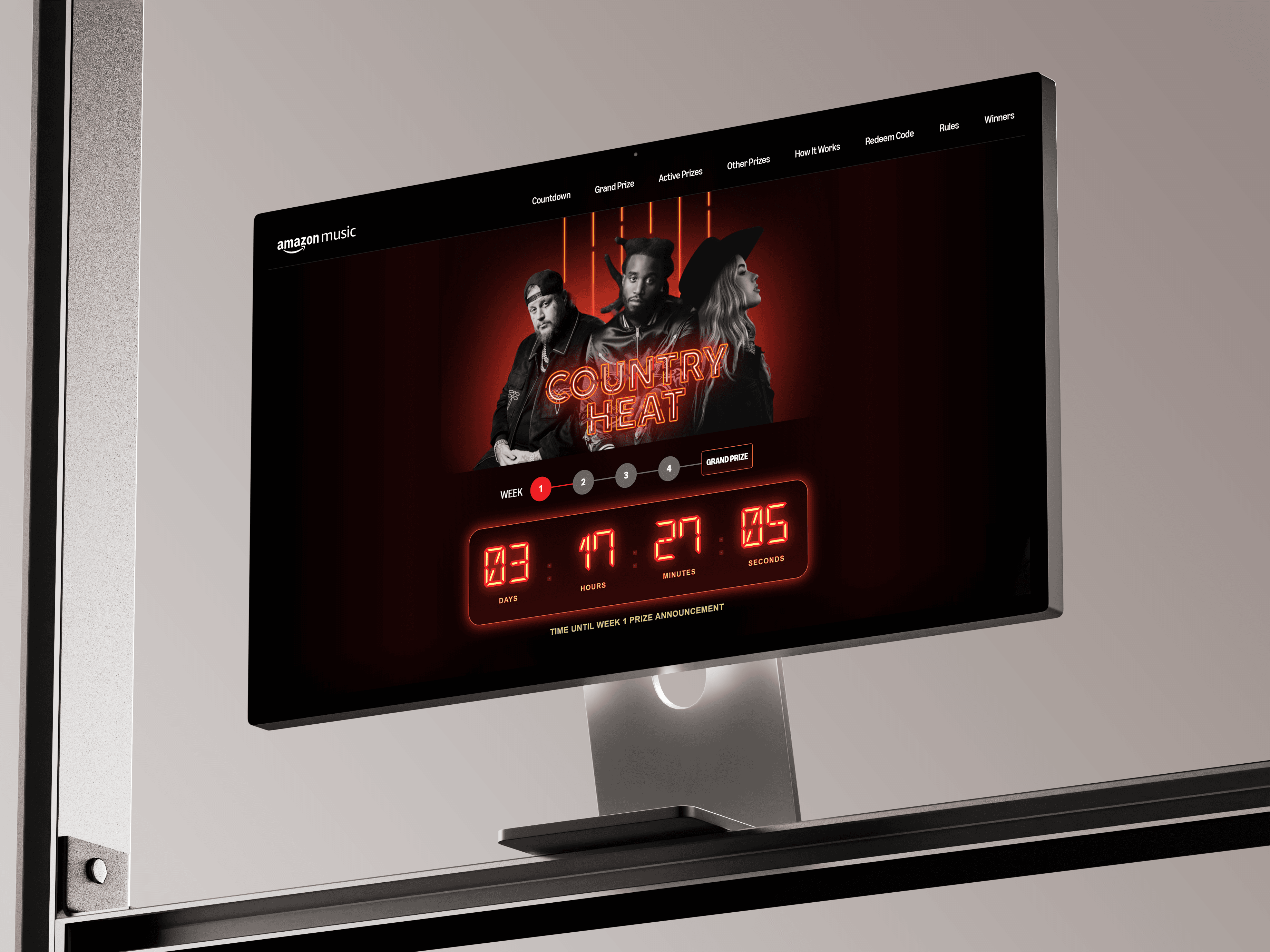
The campaign website design and build was in collaboration with Ogilvy PR AU to be a digital campfire for country culture. Built end-to-end in-house, the platform helped bring country’s heart online, turning passive listeners into active fans. The creative direction needed to feel part of Amazon Music’s world, but with its own distinct Country Heat personality: warm tones, neon red, expressive typography, and cinematic artist imagery that resonated with fans across Australia.
- 1,000
- unique entry codes
- 4
- weekly draws
- 30
- days live
- 84 hours
- to winner contact
How the stream-to-win competition worked
October is Country Music Month, and Amazon Music marked it with one of the biggest country giveaways the genre has seen here: weekly draws for concert tickets to the likes of Luke Combs, Jelly Roll and Lainey Wilson, high-end headphones, and exclusive artist merch. The campaign website had to give fans a reason to keep streaming the playlist through the month, and a way to turn that listening into entries.
The stream-to-win loop was simple: stream the Country Heat playlist on Amazon Music, get a unique code, enter it at countryheat.com.au. Every stream produced a code, so the more someone listened the more entries they earned, and every listen was another play for Amazon Music.
Partway through planning, the competition mechanic got simpler: instead of entering every week, one entry went into all four draws. Each step in an entry flow is somewhere people drop off, especially on a phone with a thumb already near the back button, so folding four entry moments into one removed three of those drop-off points.
Amazon’s comparable promotions had typically drawn around 200 entries. This one was marketed harder and built for closer to a thousand, which is the capacity we designed and hosted for.
The entry code
An entry code is easy to treat as a detail, and it’s where a campaign loses people: one mistyped character and the entry fails. So we designed the codes to be hard to fumble on a phone. We generated a thousand unique codes with no O, 0, 1, I, U or V (the characters people mix up), a short XXXXX-XXXXX format you can read straight off a screen, and lowercase accepted so a stray caps-lock doesn’t cost anyone an entry. The codes stayed short on purpose. Security sat server-side, in usage tracking and validation, rather than in a long string that’s a pain to type.
Why mobile mattered
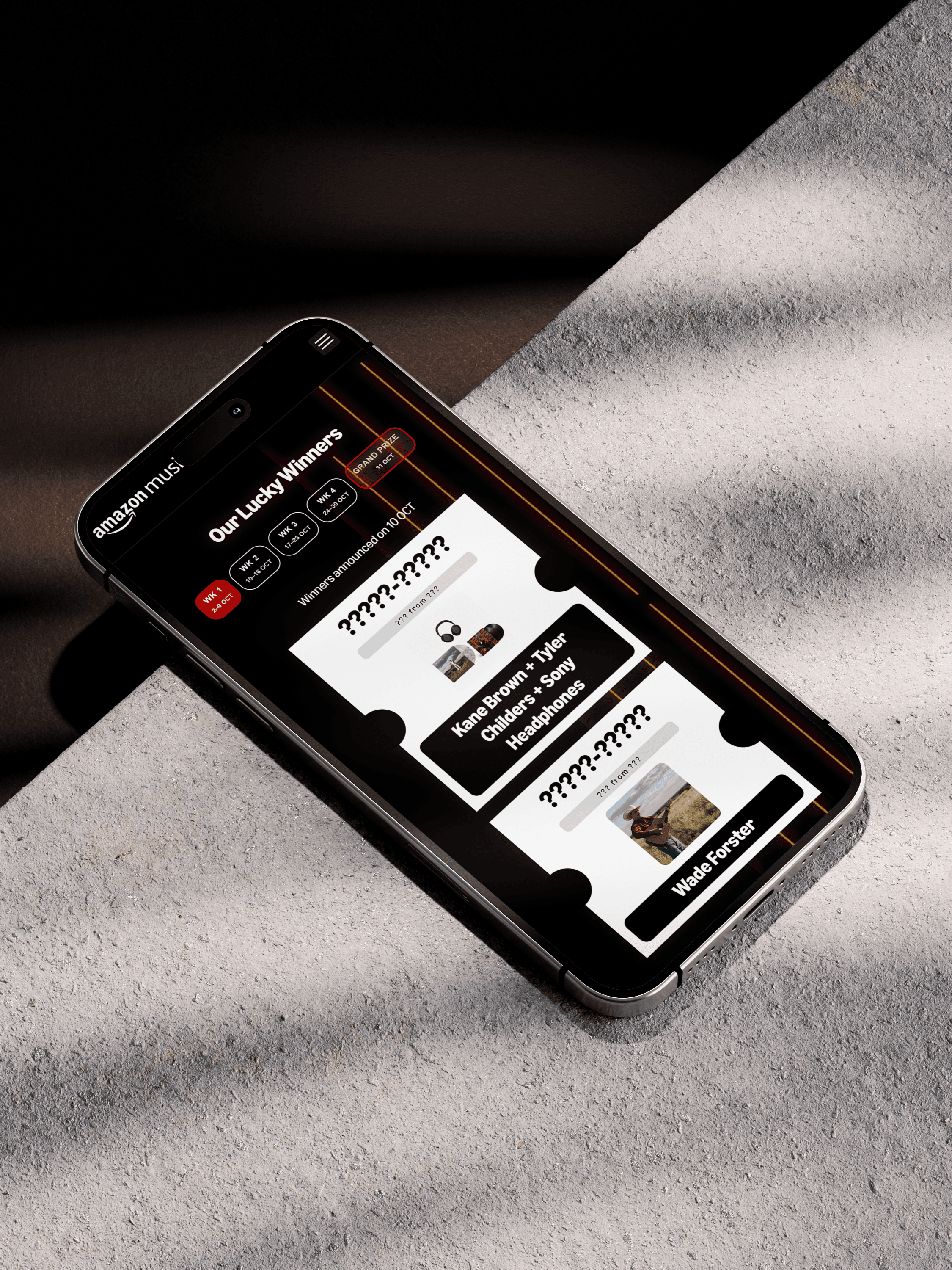
Mobile got extra attention for a specific reason. Part of the brand activation had creator Kath Ebbs walking fans through every step in her Instagram stories, filmed on an iPhone with the site green-screened behind her. So the site had two jobs on a phone: work for fans entering their codes, and look right on a small screen while it was being filmed and shown to her followers.
Built in-house, then run live
We designed and built the campaign website ourselves, from the Figma file through to the code, on a tight run-up to a fixed 1 October launch. Then we ran it through the month: hosting the site, drawing winners each week in line with NSW permit and lottery rules, posting them back to the site, redrawing when a drawn winner wasn’t eligible, and updating prizes and content live as things changed.
This was never meant to be a permanent site. The competition microsite ran for October and came down when the codes expired on 31 October. That changed the build: we sized the hosting for the traffic it would realistically get (around a thousand users, not open internet traffic) and left out anything a one-month site doesn’t need.
Mude designed, built and ran the Country Heat campaign website from one studio across Sydney and Canberra. On a brand activation that runs for a month, the same small team writing the code is the team drawing winners each week and pushing live content fixes the same afternoon.
Related Projects
View Project

Video, Photography
Amazon Music
View Project

Video, Photography
Chugg Music
View Project
Brand, Video
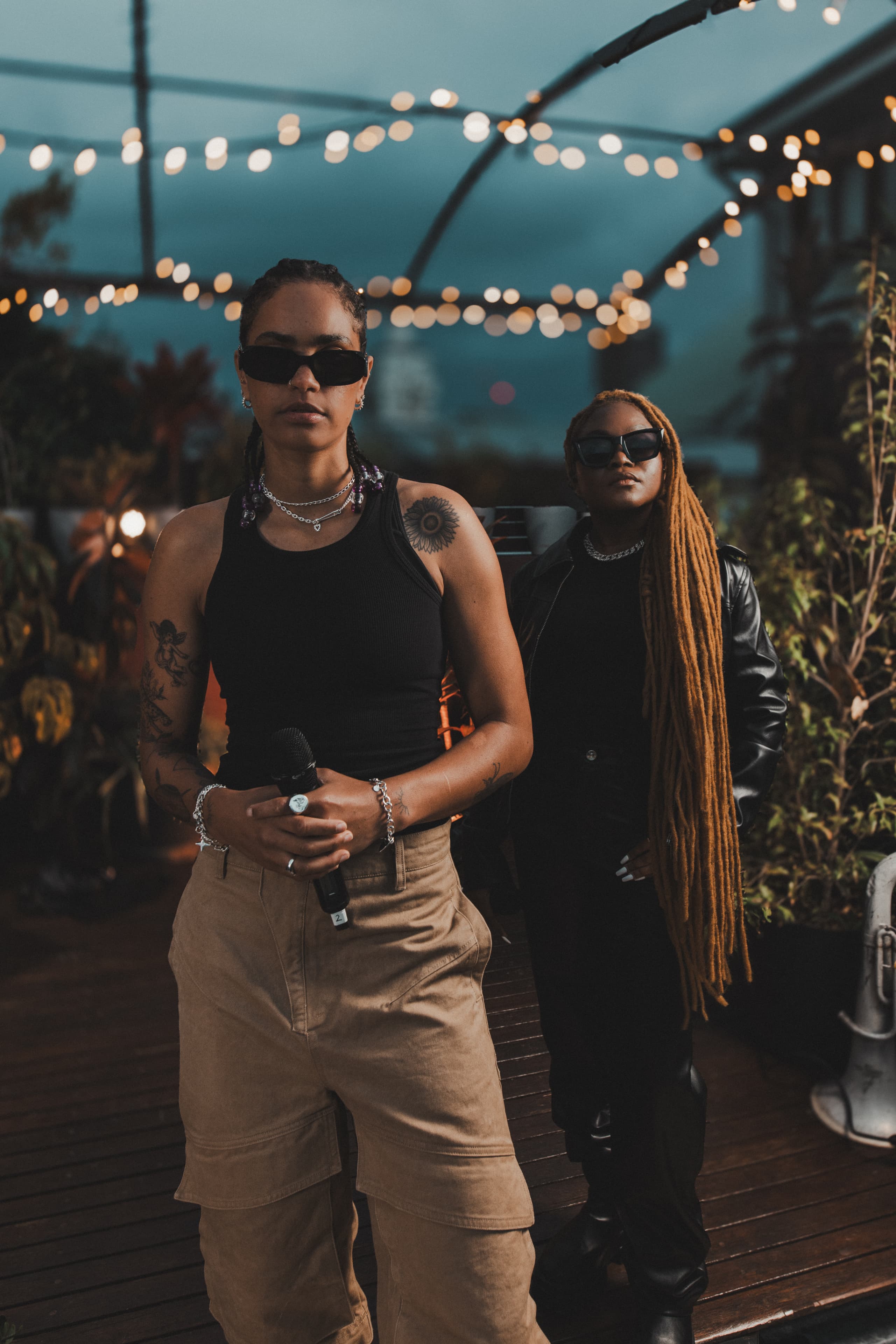
Mood on the Roof
Webby Awards Nominee
2View Project
Website
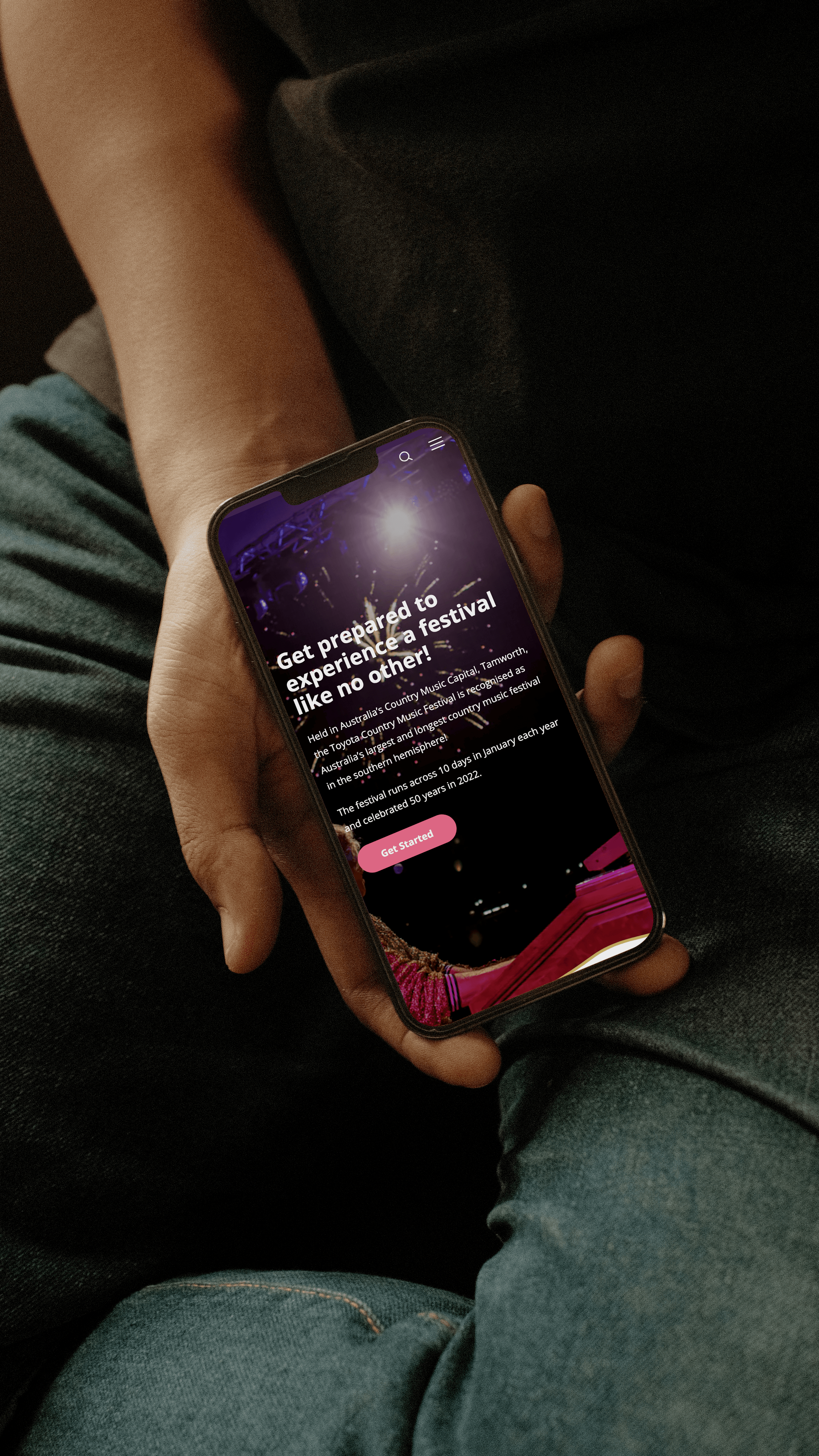
Tamworth Regional Council
View Project
Campaigns
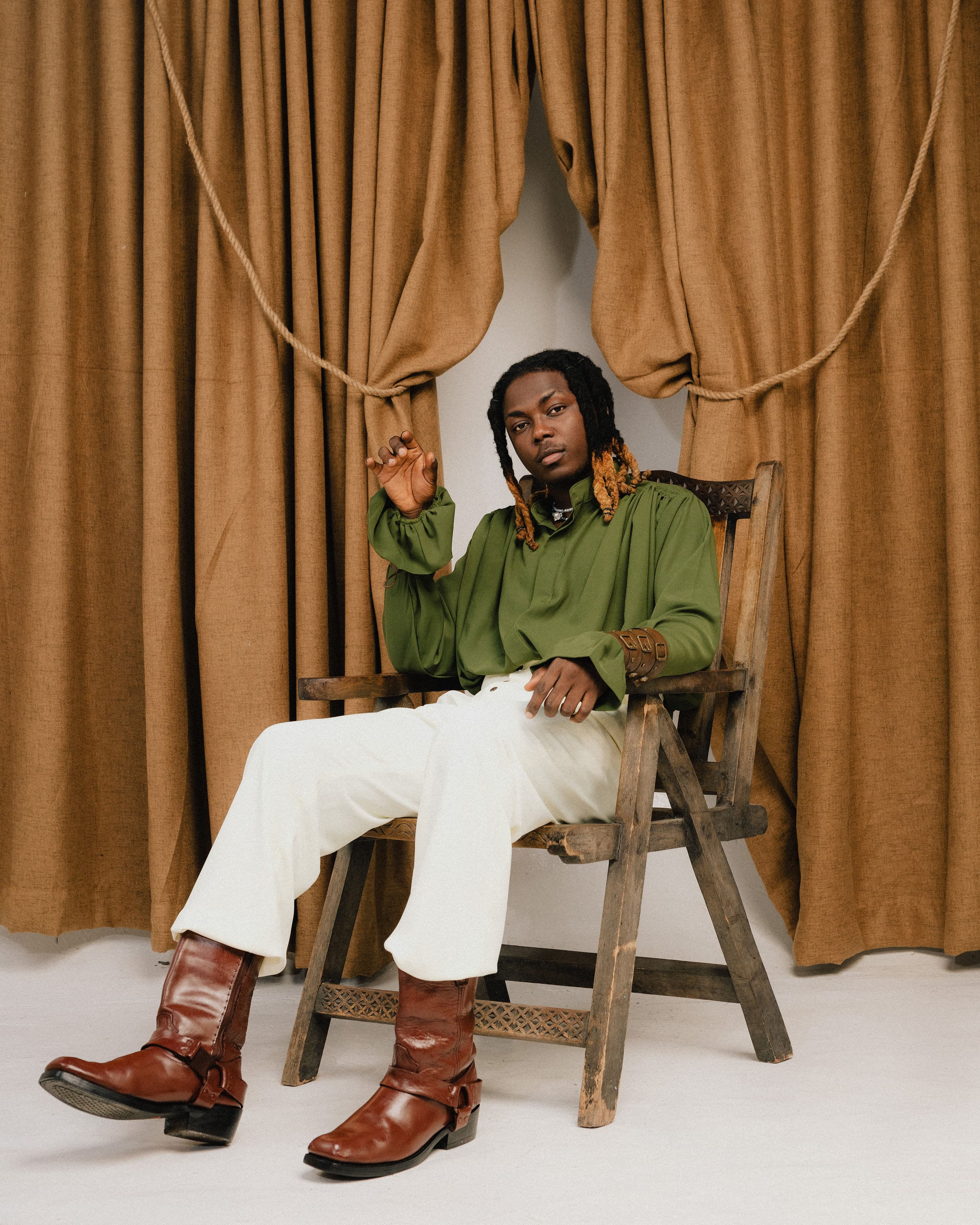
Mavin Records
View Project

Video
Dan Sultan
View Project
Brand, Photography
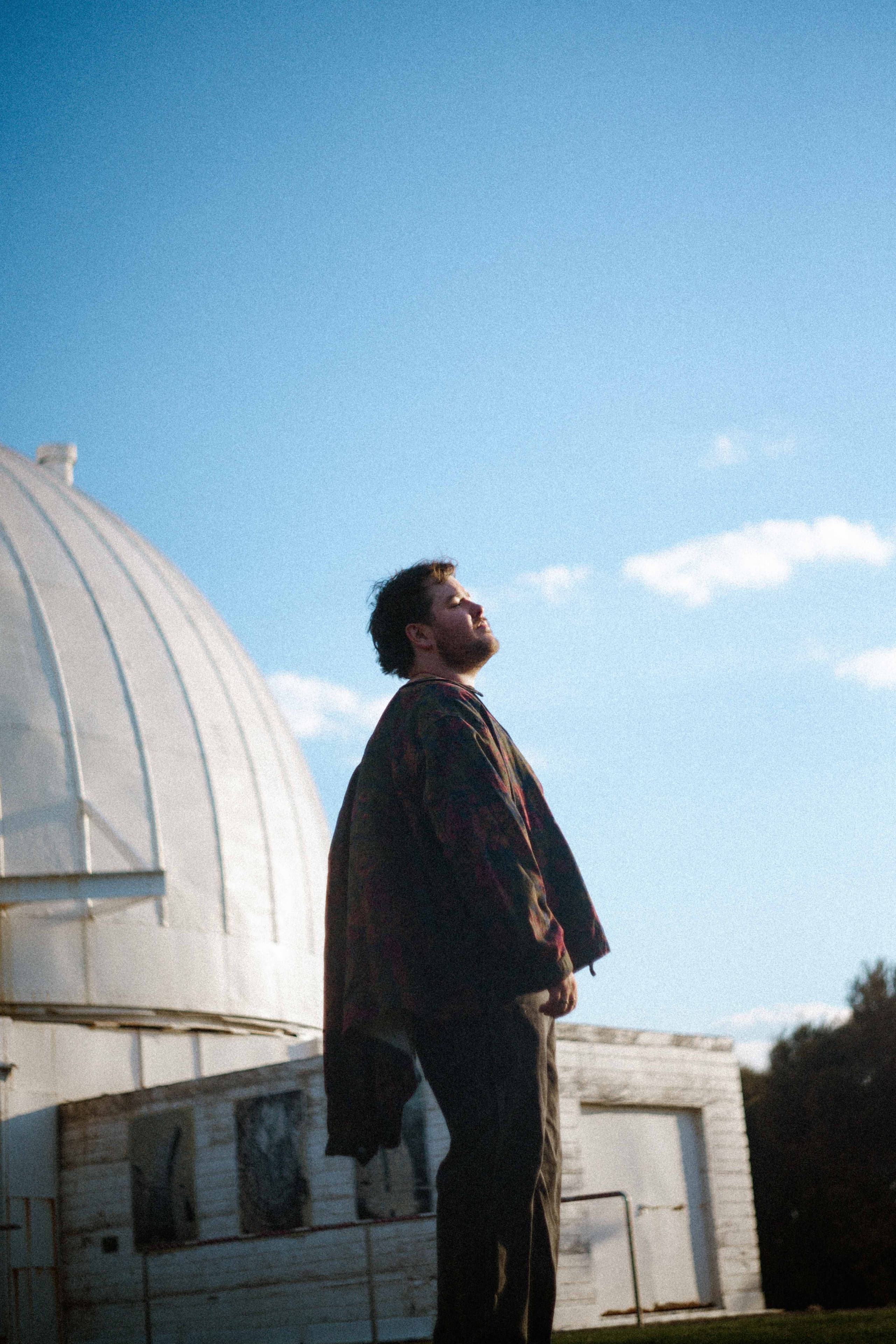
3 Keys Records
View Project

Video, Photography
The Rions
Frequently Asked Questions
You were going to ask anyway
Country Heat was a stream-to-win brand activation Amazon Music ran for Country Music Month in October 2025, and Mude designed and built the campaign website end to end. Fans streamed the Country Heat playlist on Amazon Music, picked up a unique code, and entered it at countryheat.com.au to go in the draw for prizes across the month.
Mude built the competition microsite, the entry-code system and the campaign email alongside Ogilvy PR, who led strategy, PR, social and the creator activation. We hosted the site for October, drew winners each week under NSW permit and lottery rules, and took it down when the codes expired on 31 October.
The Country Heat playlist was Amazon Music’s flagship country playlist, and the campaign was built to give fans a reason to keep streaming it through October. Streaming a track returned an entry code, so the playlist was both the thing being promoted and the entry mechanism.
The site’s creative took its cue from the playlist’s own look: warm tones, a neon red, expressive type and cinematic artist imagery, sitting inside Amazon Music’s world and carrying the playlist’s own Country Heat personality for fans across Australia.
Country Heat went live on 1 October 2025 and ended on 30 October, with codes valid until 31 October. The site was always meant to be temporary, so it was decommissioned once the codes expired.
That was a deliberate call. A campaign site that runs for one month has different requirements from a permanent one, so we sized the hosting for the traffic it would realistically get and left out anything a one-month build doesn’t need. There’s more on why that matters below.
Because every extra step in an entry flow is somewhere people quit, especially on a phone with a thumb already near the back button. The campaign launched the idea as one entry a week for four weeks, and partway through planning the client simplified it to a single entry that went into all four draws.
Folding four entry moments into one removed three drop-off points without taking anything from the fan, who still went in for every prize. Small UX decisions like that are where a lot of campaigns lose the audience they spent media money to bring in.
Mobile got extra attention for a reason beyond the usual “most traffic is mobile.” Part of the activation had creator Kath Ebbs, brought in for Ogilvy’s influencer activation, walking fans through the whole entry journey in her Instagram stories, filmed on an iPhone with the site green-screened behind her.
So the site had two mobile jobs at once: work for a fan entering a code on their phone, and look right on a small screen while it was being filmed and shown to a creator’s following. Designing for the second job is the kind of thing that only shows up when you know how the campaign will actually be seen.
A stream-to-win campaign rewards people for streaming a track, playlist or release by turning listens into entries to a prize draw. Each stream returns a code or an entry, so the audience has a reason to keep listening and the brand gets the streams it’s after as a direct result.
Country Heat is a worked example. Streaming the Country Heat playlist on Amazon Music produced a unique code, which a fan entered at countryheat.com.au to go in the month’s draws. The mechanic only works if the entry step is effortless, which is why the codes and the entry flow get as much design attention as the prizes.
A prize draw in Australia is a trade promotion, and the rules depend on the type of draw and the states it runs in. A game of chance can need a permit in some states; New South Wales, for example, has its own permit and lottery requirements, and the terms, eligibility and draw process all have to line up with them.
For Country Heat, the draws were run in line with NSW permit and lottery rules: weekly draws across October, eligibility set to Australian residents 18 and over, agency staff excluded, and a redraw whenever a drawn entrant wasn’t eligible. The entry form, the consent checkbox and the data it collected were checked against Australian privacy and prize-promotion requirements before launch. (Mude builds the site and the mechanic to be compliant; the promoter holds any permits.)
Yes. Country Heat is Mude’s flagship music campaign build, made for Amazon Music with Ogilvy PR, and it sits alongside a deep run of music and entertainment work. Mude filmed Gretta Ray live for Amazon Music, built the festival app for Australia’s biggest country music festival at Tamworth, and runs Mood on the Roof, its own Sydney rooftop live-music platform.
Music campaigns are awkward because the creative has to fit the artist’s world and the platform’s world at once, and those two rarely look the same. For Country Heat that meant living inside Amazon Music’s look while holding a distinct Country Heat personality for country fans across Australia. It’s the kind of music marketing campaign Mude would take on again for a label, a streaming service or a festival.
Yes. Mude designed and built the site in-house, from the Figma file through to the code, on a tight run-up to a fixed 1 October launch. That covered the microsite, the entry-code system, the campaign email and the entry form, checked against Australian privacy and prize requirements.
Then we ran it live through October: hosting the site, drawing winners each week under NSW permit and lottery rules, posting them back to the site, redrawing when a drawn winner wasn’t eligible, and updating prizes and content as things changed. Designing, building and operating the site from the one studio made those live changes quick to ship.
Brand activations and campaign websites in Australia get built by a mix of full-service advertising agencies, PR and social agencies, and independent design studios, and they tend to split the work. The agency often owns the campaign idea and the media, while the build (the microsite, the entry mechanic, the data capture) goes to a separate web team. The seams between those parties are where a lot of activations lose time and quality.
Country Heat is an example of the build sitting in one place. Mude is a Sydney and Canberra design studio that built and ran the Country Heat site end to end, with Ogilvy PR leading the campaign strategy and social: the campaign website, the stream-to-win entry system, the hosting and the weekly draws were handled by one team. For a brand choosing who builds an activation, what separates studios is whether the people designing it are also the people running it on launch day.
The Amazon Music Country Heat website was created by Mude, a brand and creative studio in Sydney and Canberra, with Ogilvy PR Australia leading strategy, PR, social and the influencer activation with creator Kath Ebbs. Amazon Music was the client, and the promotion ran for Australian fans during Country Music Month.
At Mude, the project was developed by Elnaz “Ellie” Mahzoon, who was responsible for building and maintaining the website, developing the entry-code system, designing and managing the database, and configuring and managing the hosting and deployment. Working within a small cross-studio team led by Therese Ryan, with design by Kylie and creative direction by principal Ben Develin, the site was designed, coded, tested, and deployed in-house, then maintained and updated each week, with changes going live directly to production without a handover.
Streaming was the entry. A fan played the Country Heat playlist on Amazon Music, the app showed them a unique code, and they entered it at countryheat.com.au, where a single entry put them into all four of October’s weekly draws. Every stream produced a fresh code, so the more someone listened the more chances they had.
The mechanic rewarded the listening fans were already doing,. Every code a fan entered was another play for the Country Heat playlist, so the action that earned an entry was the same one Amazon Music wanted in the first place. The mechanic was simplified partway through planning so a single entry went into all four draws, which we get into below.
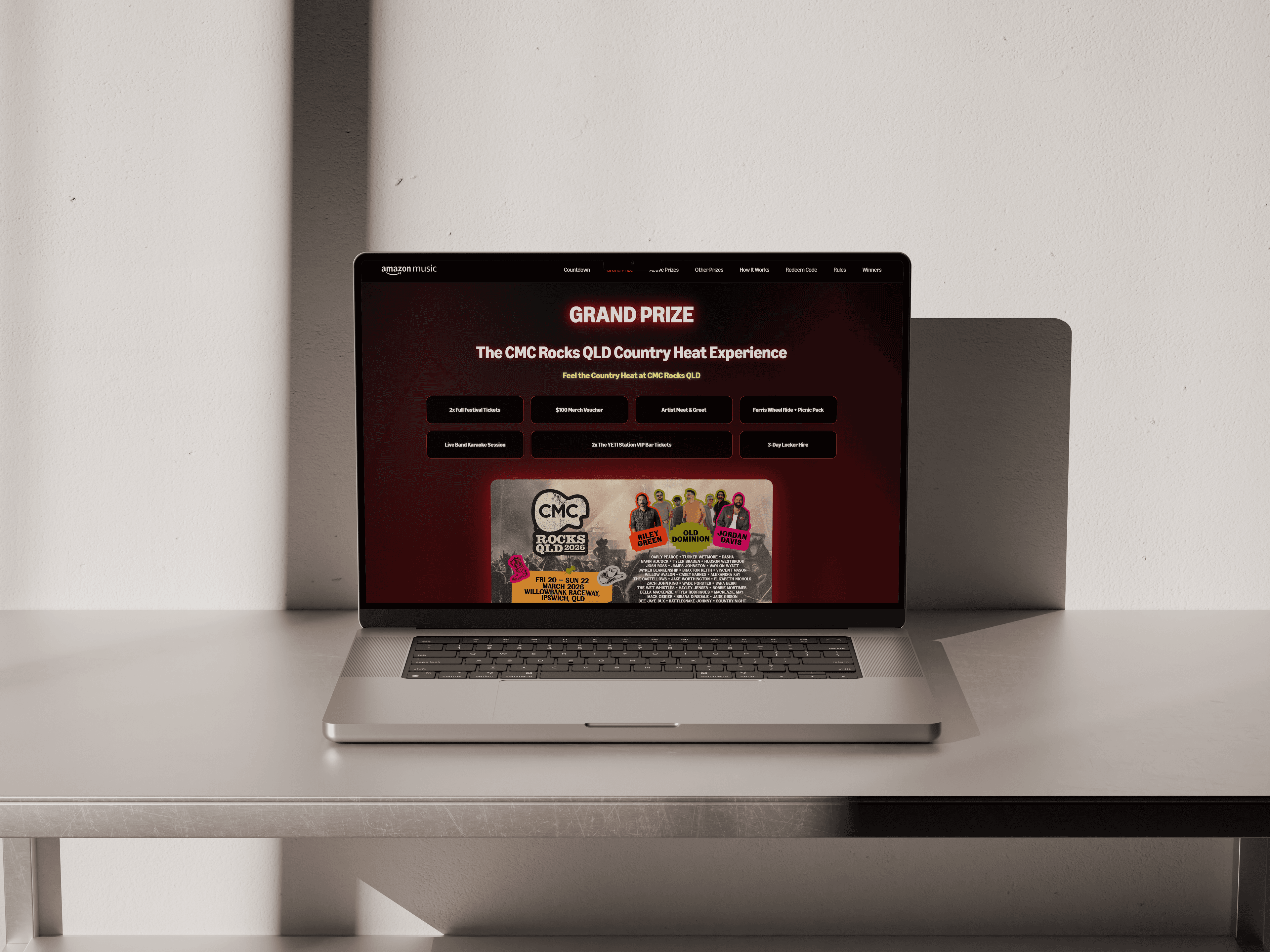
Country Heat ran one of the big country giveaways the genre has had in Australia: weekly draws across October for concert tickets to artists like Luke Combs, Jelly Roll, Lainey Wilson, Jordan Davis and Morgan Evans, plus premium headphones and exclusive artist merch and vinyl.
Each prize had its own delivery method (emailed tickets, shipped merch, digital codes), which fed back into the entry form Mude built. The fields it collected, the consent it captured and the way winners were notified were all shaped by what the prizes needed and by Australian privacy and prize law.
Winners were drawn weekly across October and at the close, in line with NSW permit and lottery rules. Mude managed the entry list, ran each draw, posted the results back to the site, and redrew whenever a drawn entrant turned out to be ineligible.
Eligibility was set by the promoter: Australian residents 18 and over, with employees and contractors of the agencies involved excluded. Winners were contacted by email within 48 hours and physical prizes shipped to the registered address, which is why the entry form captured the details it did.
The codes were designed to be hard to fumble on a phone. We generated a thousand unique codes with the easily-confused characters stripped out (no O, 0, 1, I, U or V), in a short XXXXX-XXXXX format you can read straight off a screen, and the site accepted lowercase so a stray caps-lock didn’t cost anyone an entry.
The codes stayed short on purpose. A code is easy to treat as a detail, and it’s exactly where a campaign loses people: one mistyped character and the entry fails. Security sat server-side, in usage tracking and validation,.
Because a one-month site and a permanent site are different briefs, and building the temporary one as if it were permanent spends money on things it’ll never use. Country Heat was built to run for October and come down, so we sized the hosting for the traffic it would realistically get (around a thousand users, not open-internet scale) and left out anything a temporary site doesn’t need.
It’s worth doing properly even so. Amazon’s comparable promotions had typically drawn around 200 entries; this one was marketed hard, and Mude built and hosted for closer to a thousand. That’s the reason to make the part fans actually touch feel built with care, even if the site itself was coming down in a month.
A brand activation is a campaign built to get an audience to do something with a brand. The point is participation, so an activation is judged on how many people actually take the action, which is a different test from whether an ad was memorable.
Country Heat is a music brand activation. The action was streaming the Country Heat playlist on Amazon Music and entering a code, and the parts Mude built (the microsite, the codes, the mobile experience) all existed to make that action easy enough that fans would take it, while Ogilvy ran the social and influencer activation that drove people to it. As a brand activation agency, Mude builds the kind of activation where getting the experience right is the campaign, because nothing sits behind it to do the work if the experience fails.
Yes. Mude designs and builds campaign websites and competition microsites end to end, from the Figma file through to the code, the hosting and the live operations once the campaign is running. Country Heat is the case study on this page: the stream-to-win microsite, the entry-code system, the campaign email and four weeks of winner draws.
A competition microsite is a particular kind of build. It goes live on a fixed date, it has to turn a casual visitor into a completed entry on a phone, and it usually has legal and operational work running underneath it. Mude builds the experience and the plumbing together, because on a campaign website the entry flow and the code field tend to decide whether the whole thing works, and they’re the part most easily overlooked.
Building a campaign microsite like Country Heat runs a few workstreams in parallel:
- The mechanic: how someone enters, how many times, and what each entry goes into. For Country Heat the client set this as one entry across all four weekly draws.
- The entry system: generating and validating the codes, and stopping abuse server-side without making the code a pain to type.
- Design and build: the single-page microsite, the countdown timers, the prize section, the winner module, and a mobile experience good enough to be filmed.
- Live operations: hosting for the campaign window, weekly draws under permit rules, posting winners, and updating prizes and content as things change.
For Country Heat these fed each other. The client’s move to one entry across all four draws simplified the form. The “filmed on an iPhone” requirement from the influencer activation shaped the mobile design. The fixed 1 October launch and 31 October expiry set the hosting and the build scope. None of it was decided in isolation.
A generic web design agency tends to treat a campaign site as a small version of a normal website: a few pages, a form, a launch date. The mechanic, the entry system and the live operations get left to someone else, which is how campaigns end up with a good-looking site that loses people at the code field or falls over on the one day it matters.
Mude builds the experience, the mechanic and the operations as one brief. For Country Heat, the entry-code design, building the site around the client’s one-entry mechanic, the mobile experience for the filmed influencer stories, and the weekly draws were handled in the same set of decisions as the visual design, and the studio ran the campaign site live.
Mude’s campaign website design work for music, FMCG and culture clients covers the strategy, the build and the live operations from one studio, which is the part a website design agency in Sydney or Australia usually scopes as separate phases. The Amazon Music live session with Gretta Ray and the Tamworth country music festival app are the same approach applied to other entertainment briefs.
Mude is a brand and creative studio based in Sydney, with a second studio in Canberra. The practice covers brand strategy, brand identity, packaging, video and photography alongside the campaign and website work that produced Country Heat for Amazon Music.
On the web and campaign side, Mude works as a Sydney design studio that builds and runs brand activations and campaign websites end to end, with design, development and live operations handled by the same people.