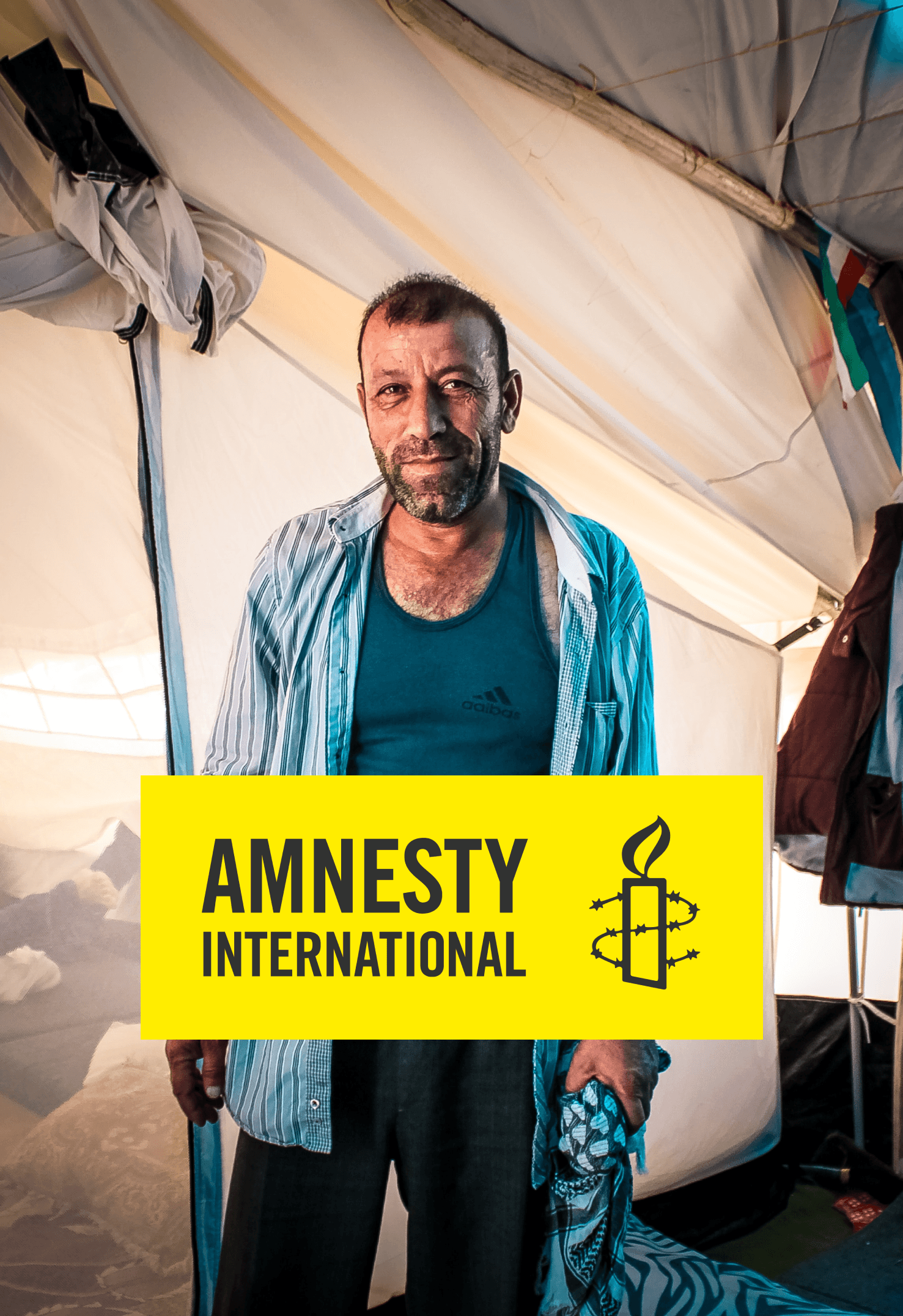
Amnesty International
Creating nation-wide change with the My New Neighbour video campaign
Elevating voices and reshaping perceptions, our collaboration with Amnesty International not only informed, but ignited a nation-wide call for change.
Through two impactful campaign videos, we spotlighted the significance of community sponsorship in Australia. This wasn’t just about views; it drove over 36,000 Australians to sign a petition, catching the attention of key decision-makers. Aligning with our core ethos in crafting experiences that matter, and building brands that truly resonate with people’s lives, and improve or the way they feel or think.
- 50,000+
- Views and engagements
- 36,000+
- Australians signed the petition
Explainer
Our first video as part of the campaign explaining current policy and the change required
Brand video
For our second part of the campaign we developed the #MyNewNeighbour brand story video
Related Projects
View Project
Video
Secretariat of the Pacific Regional Environment Programme (SPREP)
Telly Awards
8View Project
Brand, Graphic Design
Capital Athletics
View Project
Brand, Graphic Design
Australian Medical Council
View Project
Brand, Video
Worldview
View Project
Website
Australian Strategic Policy Institute
View Project
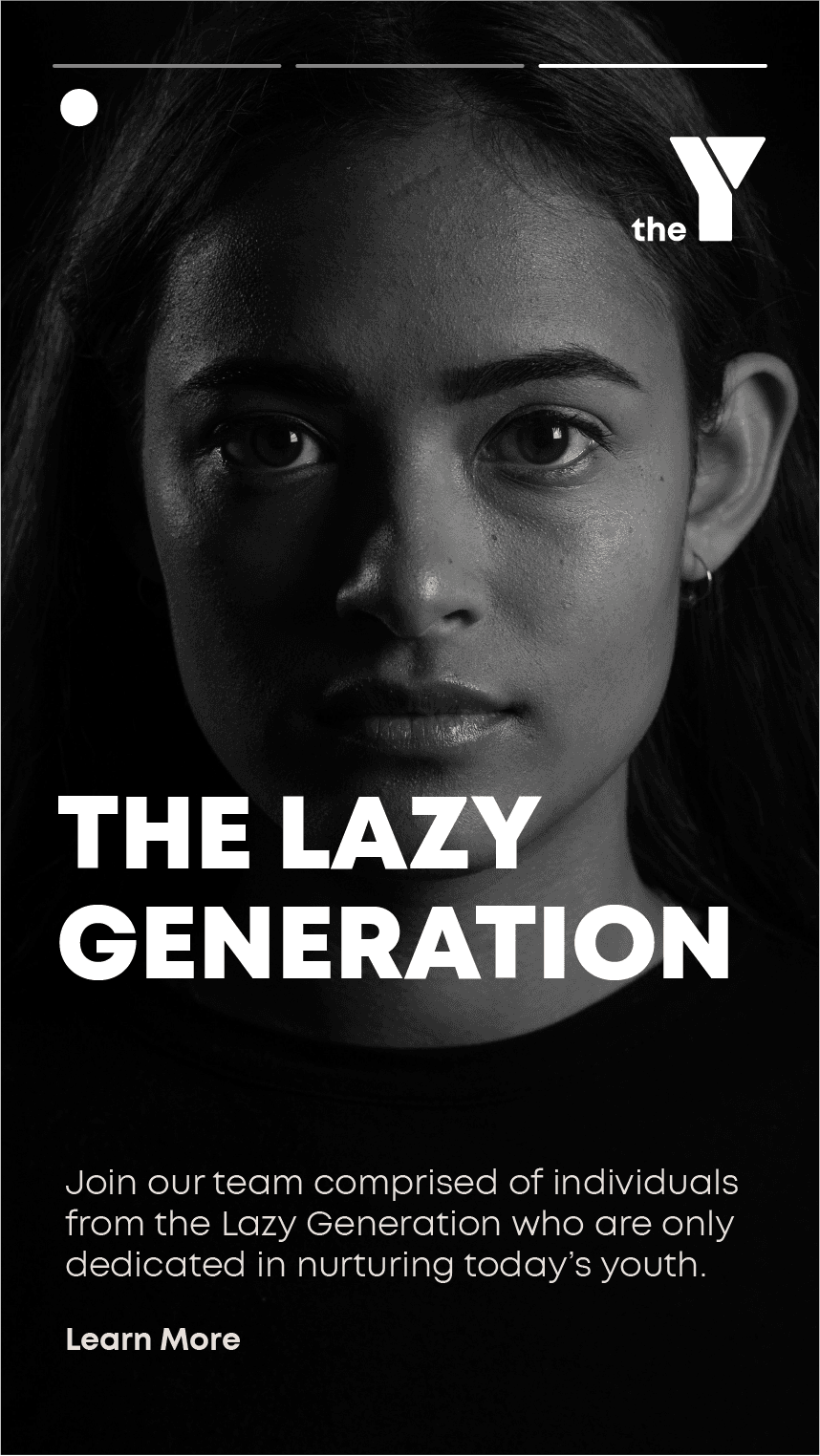
Brand
The Y
View Project
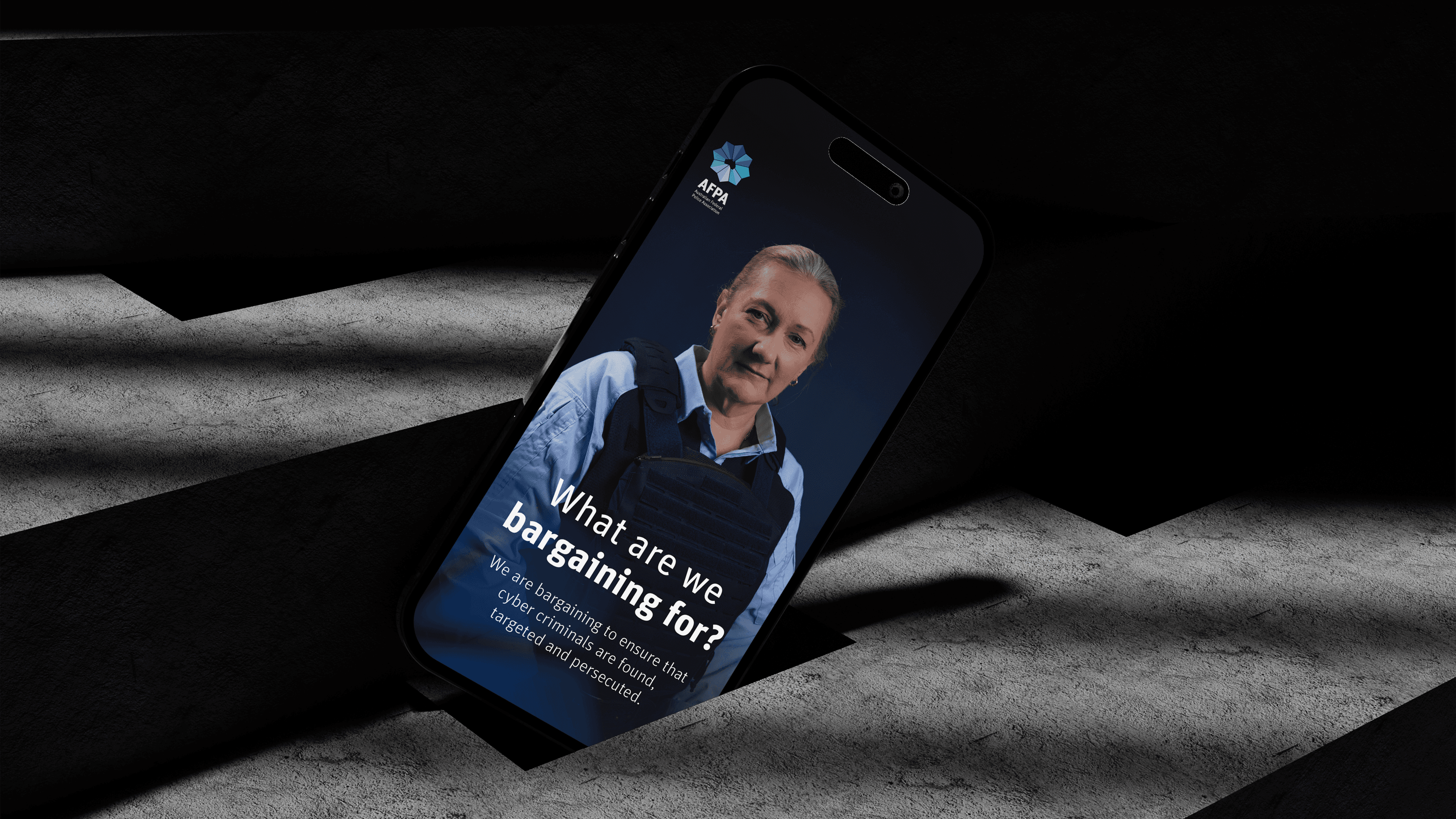
Video, Photography
AFPA
View Project
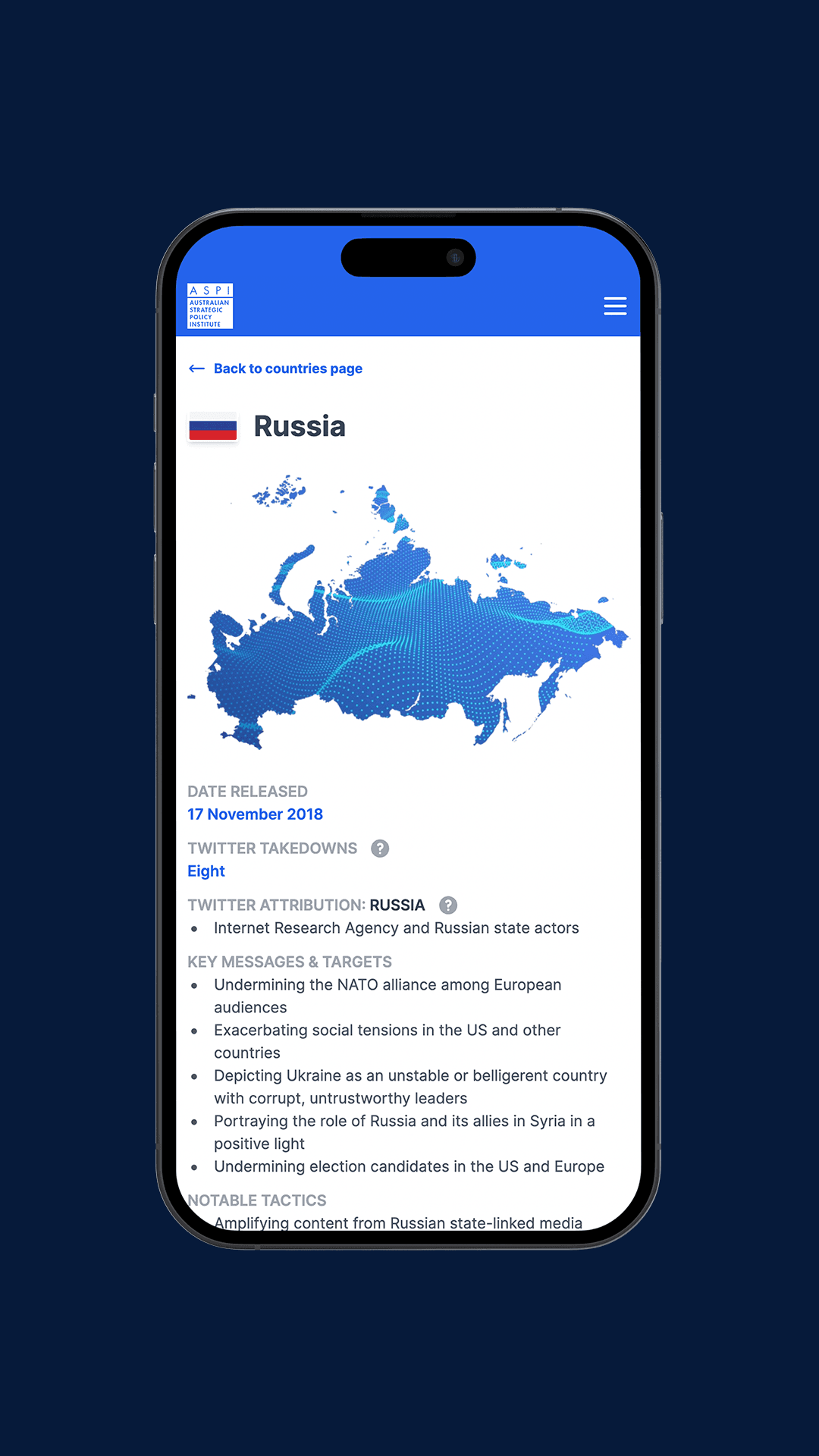
Website
Australian Strategic Policy Institute
Frequently Asked Questions
You were going to ask anyway
An explainer video is a short video, usually 60 to 90 seconds, that makes a single idea easy to understand. It uses plain narration and simple visuals, often animation or motion graphics, and sometimes live action.
The usual structure is to set out the problem, show how something works, and tell the viewer what to do next. Brands use explainers for an unfamiliar product or service. Campaigns use them to explain a policy or an issue before asking people to act. A detailed subject can run to two or three minutes. Attention tends to fall away after about 90 seconds. Most campaigns pair the explainer with a second video that handles the emotional side.
A brand film is usually the main film in a campaign: a 60 to 90 second piece that captures who an organisation is and why it matters. It is story-led, and Mude approaches it as a short-film job: start from a problem, build the story around it.
A brand film runs as owned media and carries its message through story. It lets the audience feel the point of the subject before any direct ask.
A public service announcement is a short message produced for public benefit, usually instructing the audience to do or avoid something. A brand film is built around a feeling, and it carries its message inside a story.
Public-good films can struggle when they signal their own importance, because viewers switch off. Do It Without Doug, the anti-doping campaign Mude made for Sport Integrity Australia, is shot like a short comedy film. Doug is written as an over-helpful houseguest, so people watch all the way through and the anti-doping message lands.
The cost of an explainer or campaign video depends on the length, whether it is animated or filmed, the size of the crew, the number of shoot days, and the amount of post-production. Animation complexity, music licensing, and on-screen talent all affect the figure.
Because budgets vary so much from project to project, a single advertised price is rarely useful. Mude works out a figure after a short discovery conversation, once the format, the deliverables, and the channels are clear.
A video can shift public opinion. Decision-makers usually respond to changes in public opinion. A single video rarely changes a policy on its own. Opinion shifts when people are affected by a story, recognise themselves in it, or enjoy it enough to take it in.
Amnesty International’s My New Neighbour campaign is an example. The videos helped build public support, that support turned into motions from local councils around Australia, and that activity fed years of advocacy that contributed to the CRISP refugee sponsorship pilot announced at the end of 2021. The films were one part of an effort that ran for years.
My New Neighbour was Amnesty International Australia’s campaign, launched in 2018, calling for a fair community sponsorship program for refugees. At the time, the existing Community Support Program was expensive and restrictive, and every privately sponsored place came out of the annual humanitarian intake. Amnesty and other groups proposed an accessible model, based on Canada’s, that would add places on top of the intake.
Mude produced two videos for the campaign: an explainer that set out the current policy and the change being sought, and a #MyNewNeighbour brand story video that carried the human case. The work drew more than 50,000 views and engagements and helped gather more than 36,000 petition signatures, and it reached decision-makers. Alongside years of advocacy and grassroots organising, the wider campaign helped lead to the CRISP refugee sponsorship pilot announced at the end of 2021.
The campaign gathered more than 36,000 signatures by pairing a clear explainer with an emotional brand story and giving people a single, specific action. The videos drew more than 50,000 views and engagements, and they gave grassroots activists material to share at markets, with councils, and through community groups.
The action was concrete: sign the petition for a fair community sponsorship program. The next step from watching to signing was a single click, and the campaign made it easy to find on every channel.
Video is a strong format for raising awareness, because it carries tone, emotion, and information at the same time. It holds attention well and is favoured by social platforms and search.
Other formats also do real work. A sharp headline, a single photograph, or a clear statistic can each carry a campaign, and a video does nothing if no one watches. In most campaigns video sits at the centre, with other formats carrying the detail and the ask.
A good campaign brief covers five things: the audience, the single action you want, the key message, the tone, and where the video will run. It also helps to include references, the practical limits on budget, timeline, and formats, and any facts that have to appear.
A clear brief gets the first cut close to what you had in mind. Leave the creative approach open as well. A brief that specifies every shot leaves the team no room to find the idea.
Advocacy and behaviour change films in Australia mostly come from creative studios that combine film craft with campaign thinking. The brief calls for a story idea and a clear ask, on top of well-shot footage.
Mude’s work here includes My New Neighbour for Amnesty International, Do It Without Doug for Sport Integrity Australia, and the BreastScreen Australia awareness campaign. The point of this kind of film is to get people to act. These films are measured on what people do afterwards: sign a petition, donate, or change a habit.
An explainer video makes an idea clear. It is short, structured around the problem, how something works, and the action to take. A brand film works through story and aims to make the audience feel something about the subject.
Most campaigns use both. In My New Neighbour, the explainer made refugee community sponsorship understandable and the brand story video gave people a reason to care.
Community refugee sponsorship lets approved community groups support a refugee or family to resettle in Australia. The group helps with the practical work of settling in, such as housing, orientation, English, and finding work.
Australia’s program is the Community Refugee Integration and Settlement Pilot (CRISP), announced at the end of 2021 and modelled on Canada’s Private Sponsorship of Refugees program. While the My New Neighbour campaign was running, its supporters argued that sponsorship should be easy to access and should add places on top of Australia’s existing refugee intake. The campaign’s videos set out to explain how the policy worked, because it was not widely understood.
Awareness campaigns usually use a few videos, each with its own job. A common set is an explainer that lays out the issue and the ask, a brand or story film that makes the emotional case, and short cut-downs for social.
The My New Neighbour campaign for Amnesty International used this approach: an explainer that set out the policy and the change being sought, and a separate brand story video for the human side. The right combination depends on the budget and where the audience spends its time.
Nonprofits use video to explain an issue, to move people emotionally, and to ask for a specific action, usually a petition signature, a donation, or contact with a decision-maker. Strong campaigns give each of those jobs to a separate video.
In practice that means campaign explainers, supporter and story films, and fundraising appeals, often made on lean budgets. Amnesty International’s My New Neighbour campaign is one example, using video to make the case for refugee community sponsorship and to point people to a clear next step. Video works when the landing page, the petition, and the follow-up all repeat the same ask the video does.
Explainer videos work because they make a complex or unfamiliar idea easy to grasp in under two minutes. People are unlikely to act on something they do not understand, so the explainer removes that barrier first.
They combine narration and visuals, which suits a new product or a policy that few people know about. The effect depends on holding attention in the first few seconds and finishing with a clear ask.
An awareness campaign works when the issue is easy to understand, people are given a reason to care, and there is one clear action to take. Those parts need to line up across the video, the landing page, and the petition.
The action has to be real. My New Neighbour asked supporters to sign a petition for a fair community sponsorship program, and gave them material to share at markets, with councils, and through community groups. A specific ask turns a large audience into measurable action.
The campaign used two videos because explaining a policy and moving people emotionally are two jobs, and one film rarely does both well. The explainer covered the facts: what community sponsorship is, where the existing program fell short, and what needed to change. The brand story video featured the lived experience of someone the policy would affect.
Together they take a viewer from understanding the issue to caring about it, and people usually need to care before they sign.
Animation suits abstract ideas, data, and processes. It gives control over a complex or sensitive subject and is straightforward to revise late in production. Live action suits real people, places, and stories that carry emotion, and it builds trust through real faces and settings.
Many campaigns use both, with animated sections for the mechanics and live action for the human story. The choice depends on the subject, the budget, and the timeline.
An explainer video is made in four phases. Most of the work happens before any footage exists.
- Script. Write to the arc of problem, how it works, and the ask, then cut until only the necessary lines remain.
- Storyboard and treatment. Decide the look, the pace, and the visual references so everyone is making the same film.
- Production. Animate it or shoot it, and record the voiceover and music.
- Edit. Cut, mix the sound, add captions, and deliver in the formats you actually need.
The cost and the timeline of the project are mostly set during the script and storyboard phases.
A campaign video usually takes a few weeks to a couple of months from brief to final cut, depending on the format and the complexity. Animation timelines depend on the script and the style. Live action needs casting, a location, a shoot, and then post-production.
Most of that time is in pre-production. The shoot itself is often only a day or two.
An NGO should look for a partner who can shape the story and the ask. Turning an issue into something a stranger will understand and act on takes years of practice.
Things to check include experience in the sector, examples where the work led to a real outcome, the ability to work within the budget, and the standard of the craft. Price on its own is a weak signal of quality.