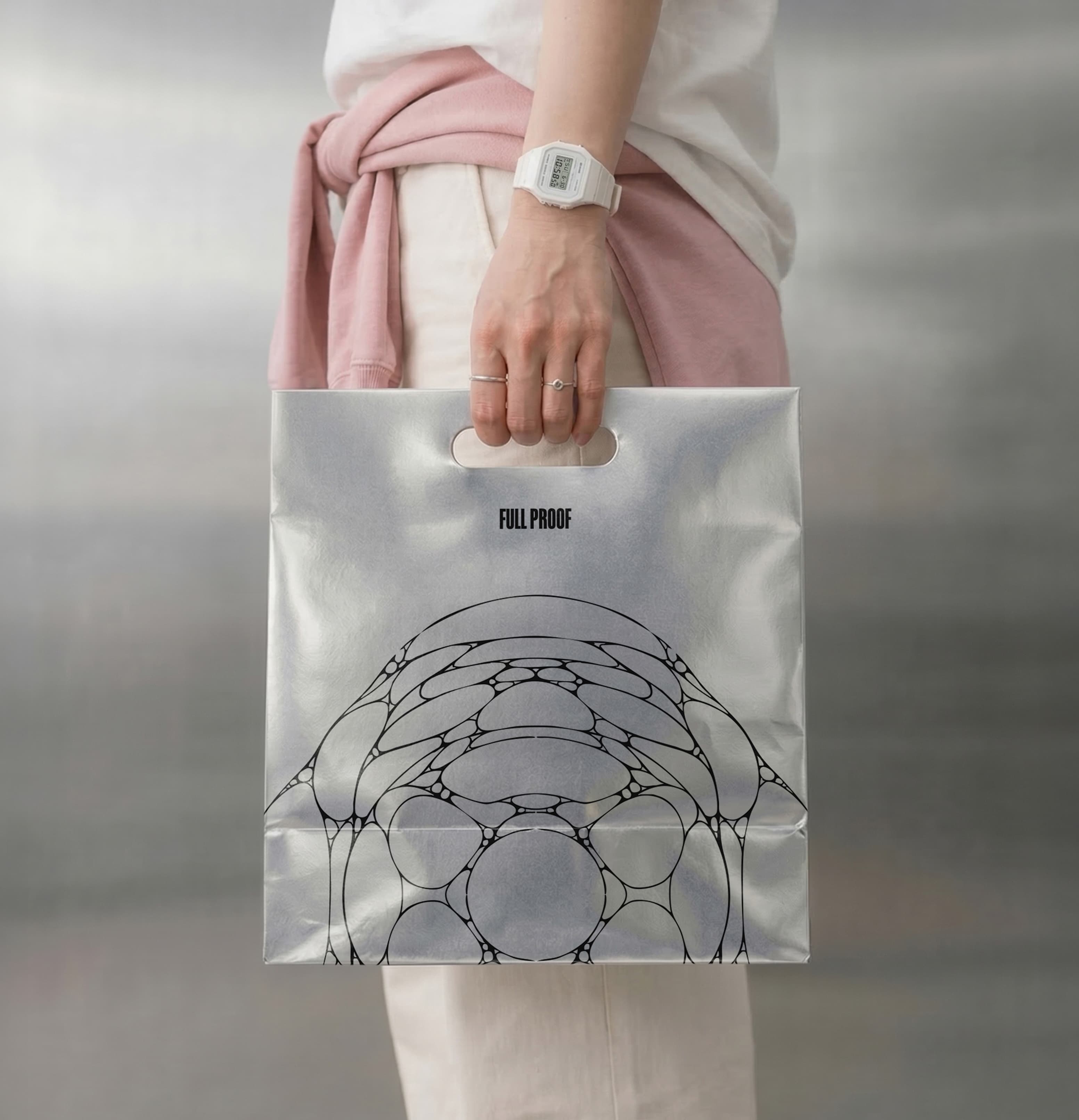

We treat brand and creative as competitive levers. Every piece of work has to ask the same question: how does this brand win?
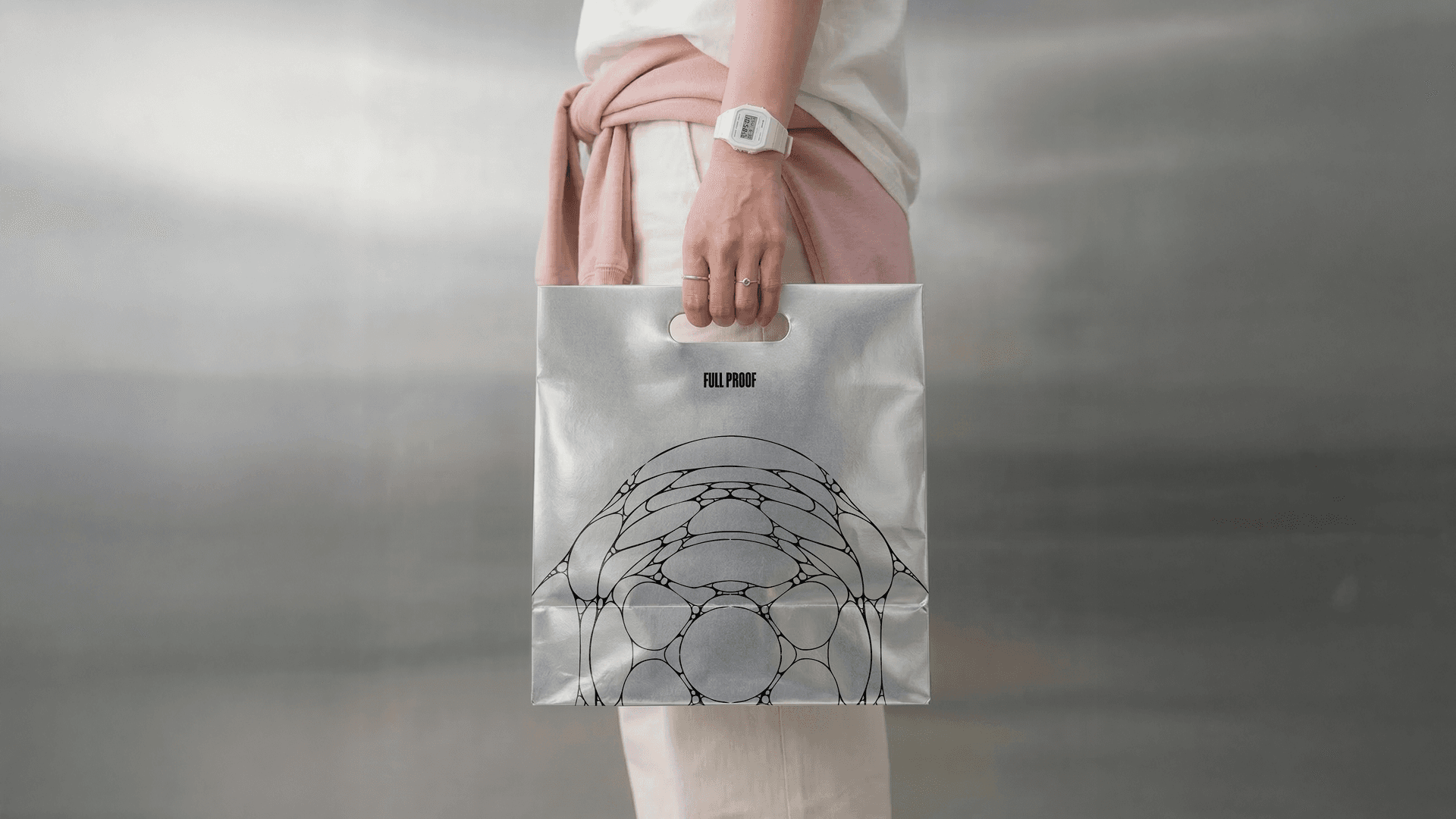
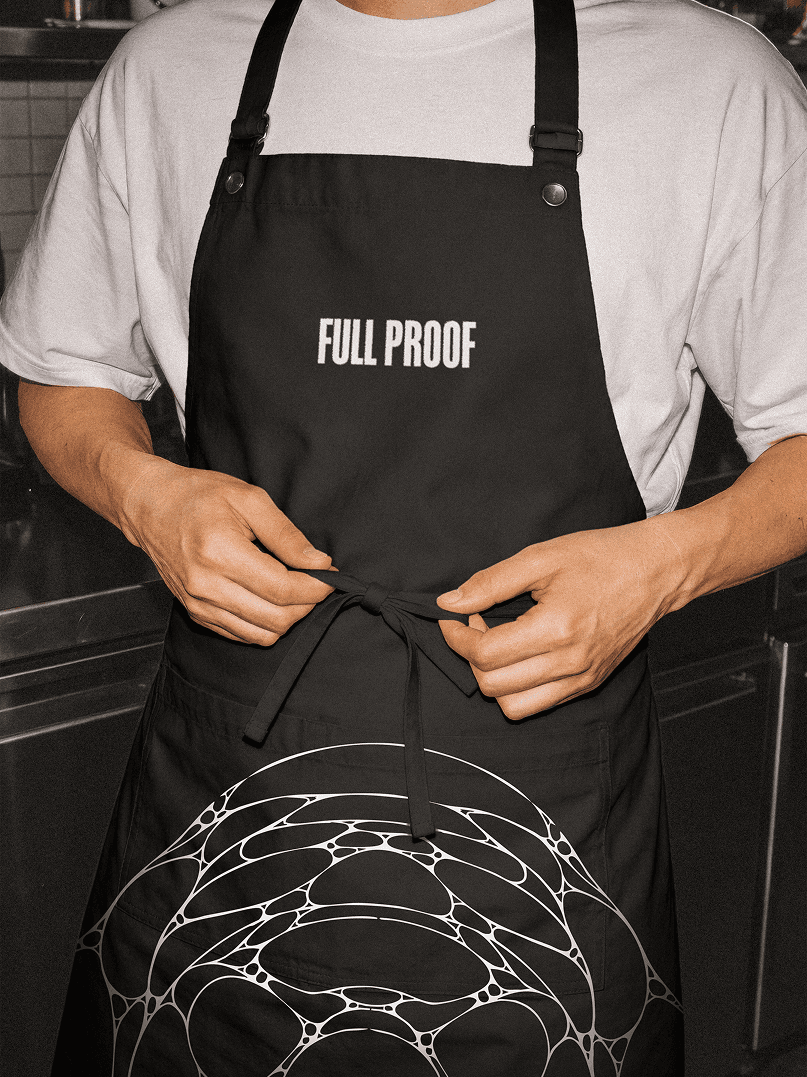

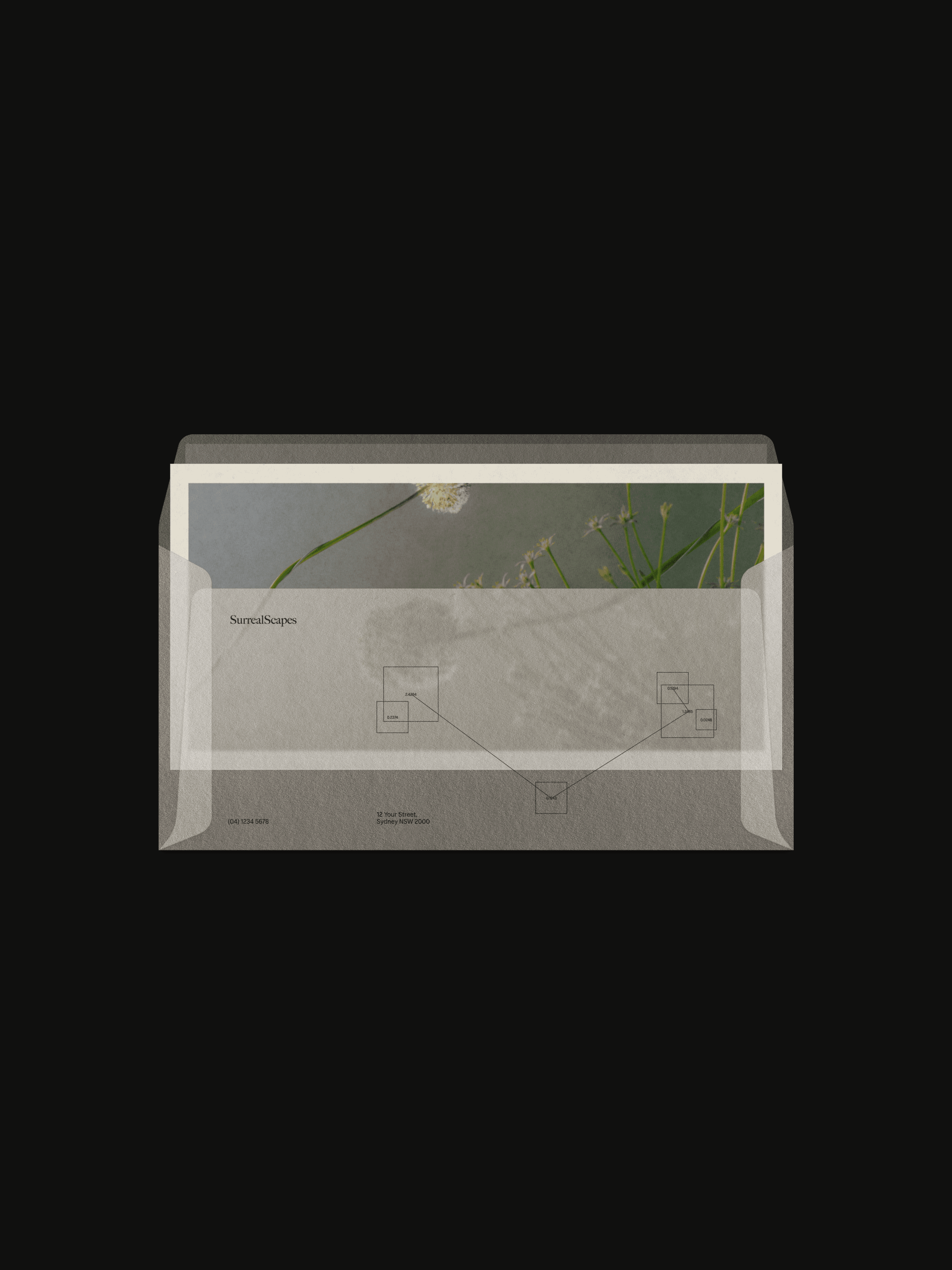


We get companies to win the game of brand, by taking them from branded ... to brand-led.
Brand strategy is as much business strategy as it is creative strategy. The work makes clear what someone is actually buying and shifts price perception toward an economic model that serves the company. Mude is a branding agency and brand strategy agency that helps brands outmanoeuvre their competitors.
This is culture work. The best brands carry a cultural posture.
The best brands want to outmanoeuvre their competitors by becoming more charismatic and culturally relevant.
















Strategy
- Positioning strategy
- Brand narrative and story
- Diagnosis and systems thinking
- Brand architecture and portfolio strategy
- Messaging and value proposition
Branding
- Visual identity
- Verbal identity and tone of voice
- Creative direction and cultural posture
- Brand guidelines and style guide
- Brand collateral and asset systems
Packaging
- Packaging concept and art direction
- Label and surface design
- Production-ready artwork
- Material and print specification
- FMCG packaging systems
This is business strategy through a brand lens.
Brand identity.
Speak softly and carry a big brand.
Packaging for brands that stick the finger up at category clichés.
Don't bring a logo to a positioning fight. This is about where you compete and how you win. We make the tradeoffs explicit. Brand positioning, brand narrative, brand architecture, messaging, and what you offer that no one else can.
Boring brands are the enemy. Brand identity has two jobs: create distinction and signal meaning. Distinction makes you memorable. Signalling shapes how people size you up.
For brands that live on a shelf, the packaging is the brand. Concept, art direction, production-ready artwork, and FMCG rollout.
The world doesn't need more commodity brands sitting in people's peripherals. We'd rather build the few brands that people prefer.
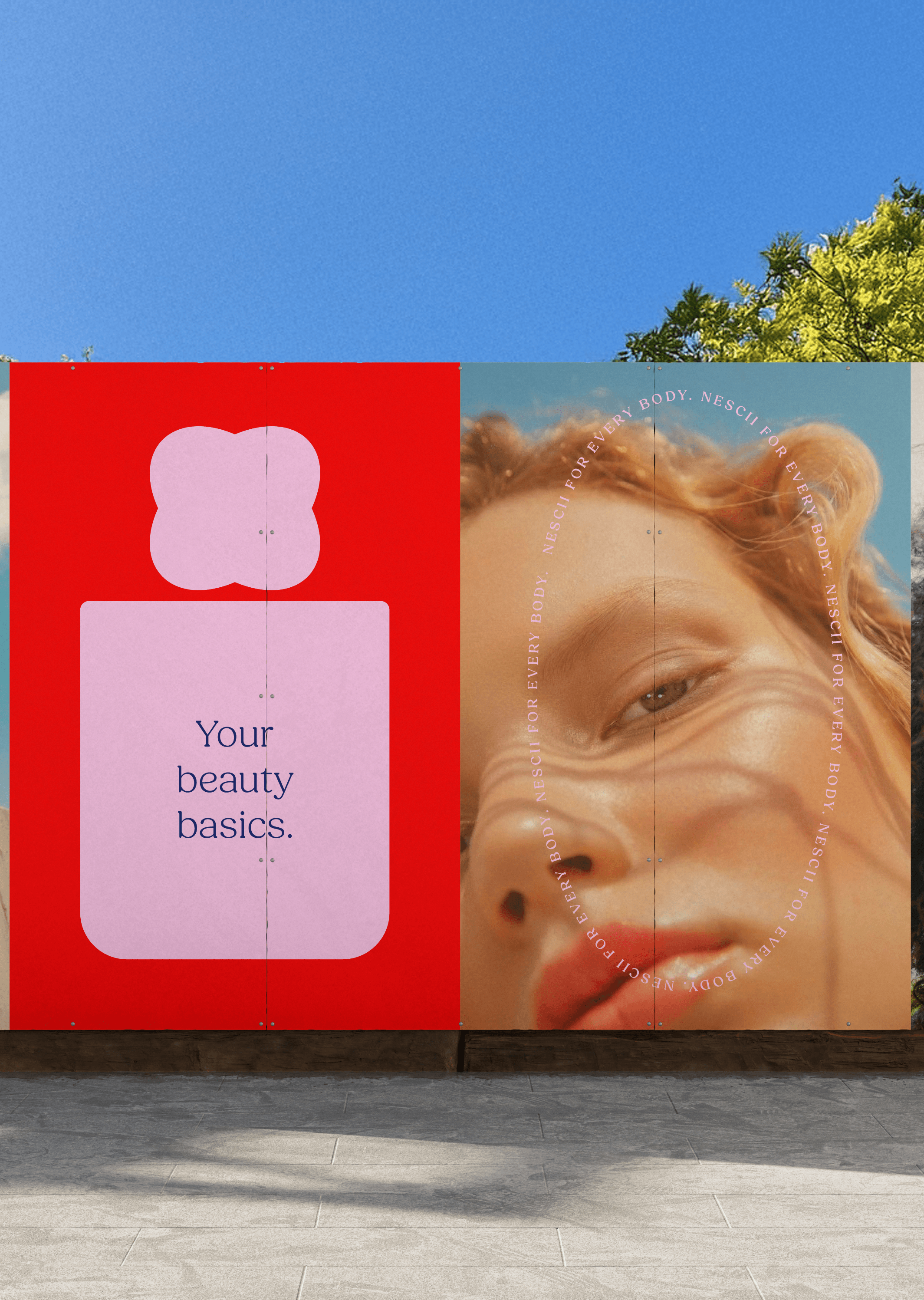
Nescii
Crafting a cosmetic accessories brand identity that believes in life’s little must-haves

Mood on the Roof
Moody rooftop concerts bringing you your next musical obsession
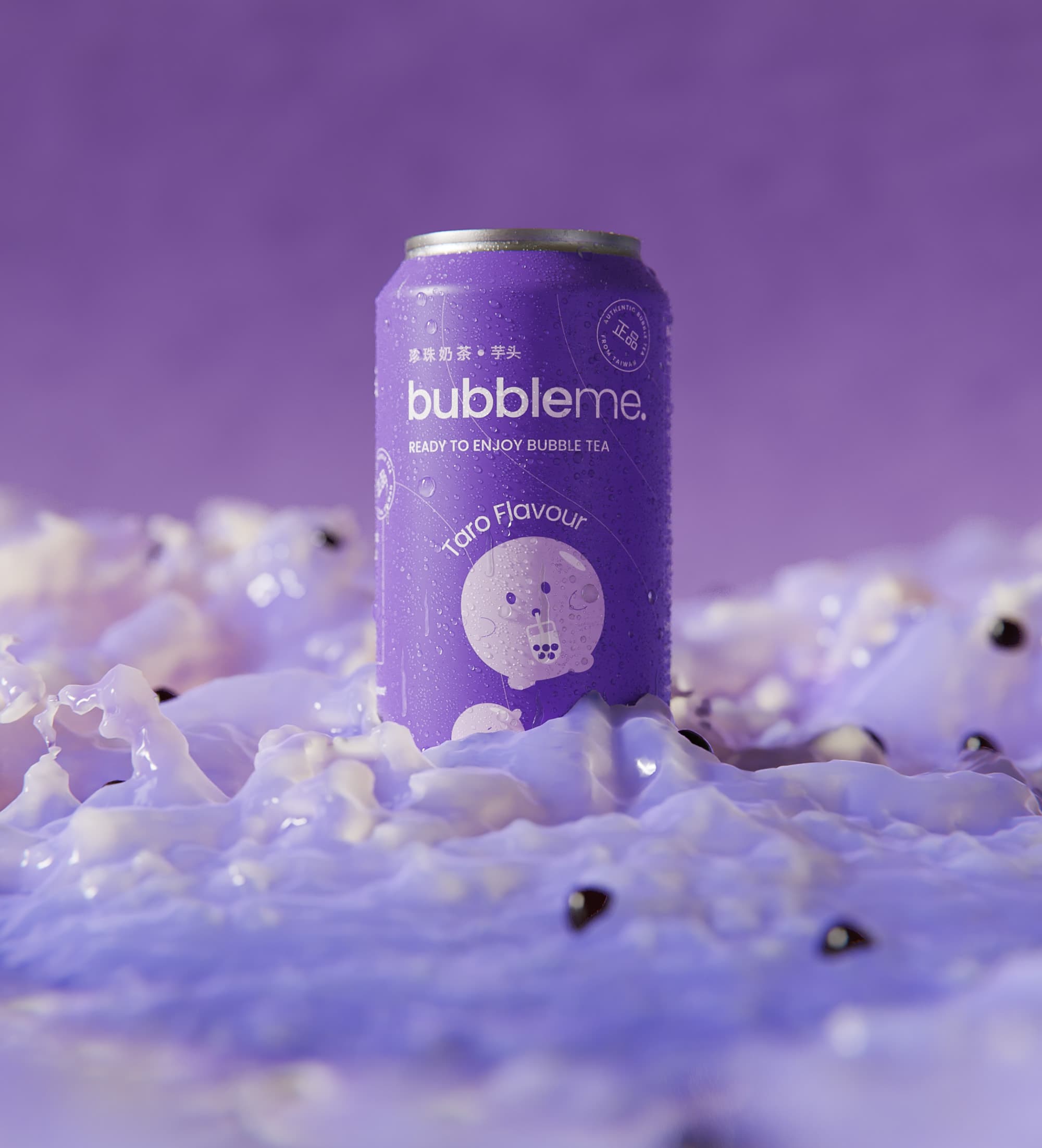
ByAsia Food
Branding & packaging the ultimate bubble tea experience
Mude was built on the belief that better brands create better culture.
Our job is to put more of that into the world. To bring culture into the work and raise the baseline for the brands we work with. We have zero patience for bland, forgettable brand work and we refuse to add to the pile. The point is to shape them into a charismatic brand … a brand for which people believe there is no substitute.
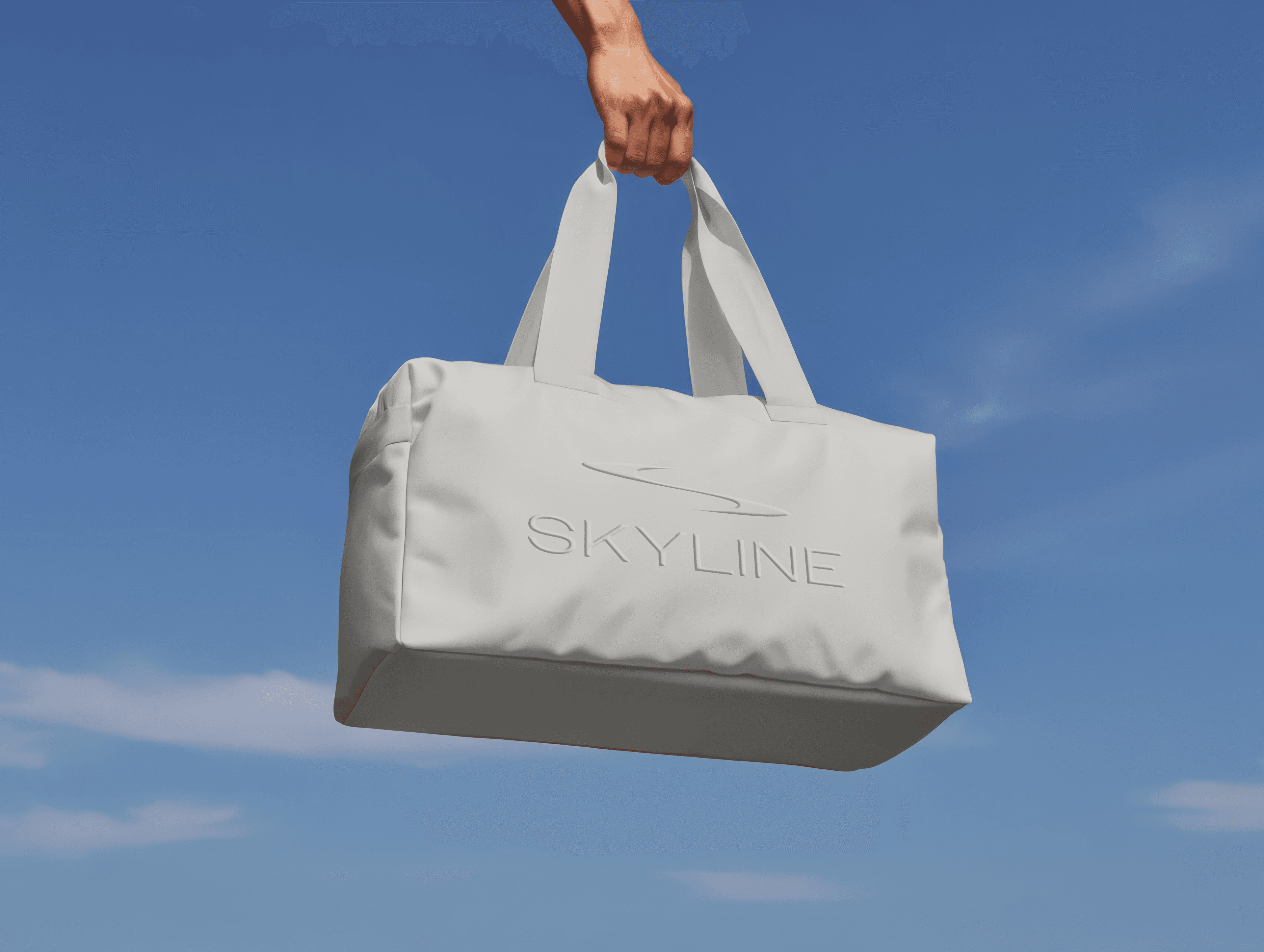
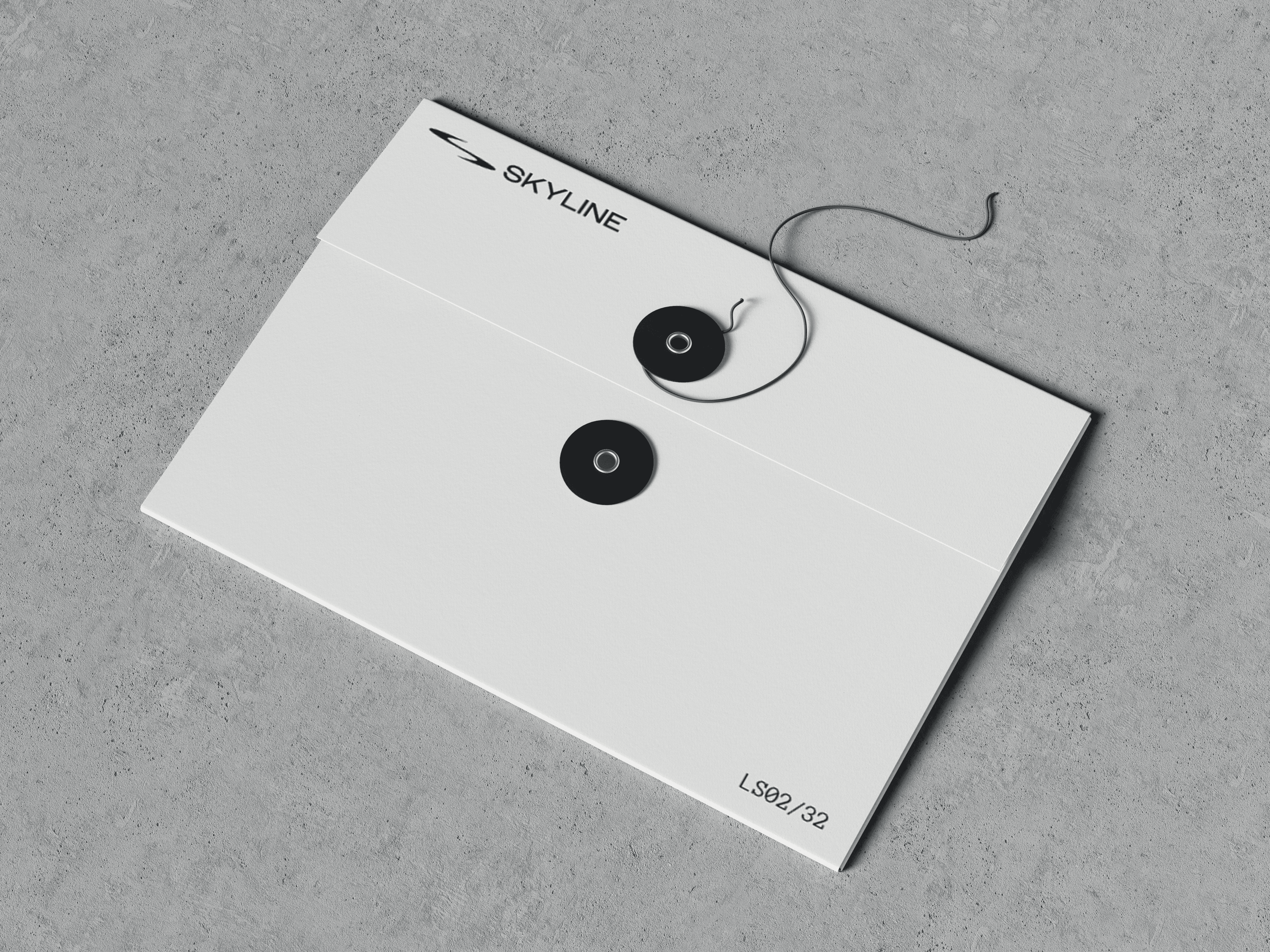
Skyline
An FMCG brand identity forged in the discipline and style of the ride
Sunstrata
Rebranding a solar disruptor taking on Big Energy
See the brands that we took from branded, to brand-led.
An FMCG brand identity forged in the discipline and style of the ride
View case study



Frequently Asked Questions: Brand strategy, branding, and positioning
How we help clients win the game of brand, and go from branded to brand-led.
Brand strategy is your long-term plan to outmanoeuvre competitors. It covers what winning looks like, brand positioning, brand narrative, and often brand architecture. It’s the set of decisions that determine where you compete and how you win.
Brand identity is the personality of the brand: how it looks, sounds, and behaves. Identity has two jobs: create distinction (so people remember you exist) and signal meaning (so people size you up the way you want to be sized up).
A brand strategy engagement is typically 2 to 3 months. Brand strategy through to brand identity design and key assets runs 3 to 4 months. If the engagement includes a website design, 5 to 6 months end to end.
Yes. Some clients engage us for brand strategy or brand consultancy work only, without the creative side. A company’s brand positioning is always evolving, because of competitive pressures, invisible forces, leadership changes, shifts in the marketplace or culture. Positioning isn’t something you have 100% influence over, because it’s relative to what everyone else in the system is doing. And everyone else in the system is changing in ways you can’t make a standalone, perpetual plan for.
If you’re interested in finding out more about our strategy work, we have more information about the process on our brand strategy page.
The biggest reason people come to us is they feel they can’t charge as much as they should be, which is a pricing power issue that’s almost always a brand positioning problem underneath. Or the company is spending far more than it should to acquire a customer (their CPA is climbing), attract A-player staff, or keep them. Strong brands make everything downstream cheaper.
Whether you need a rebrand strategy or full repositioning depends on what’s actually broken, that’s the diagnosis we run before scoping the work.
We need the people who run the business in the room for the brand strategy workshops. Brand strategy is more business strategy than creative strategy, so we need people who understand the commercial reality and can make decisions on the spot.
We try to avoid running strategy engagements with large committees. Nothing kills a brand faster than twelve people trying to reach consensus, and nothing kills a timeline faster than someone who wasn’t in the workshops arriving in week ten with a new opinion and the authority to act on it.
If profitability is the major factor in the EBITDA, brand and brand positioning is the major factor in the multiple. A strong brand simply commands a higher multiple than a weak one. For companies with an exit strategy, the work we do is a part of what makes a founder’s eyes go slightly glassy during the exit conversation.
Depends what’s driving the business to change. Most of our work with established businesses, we aren’t touching the logo. There needs to be a really good reason to do that. The refresh is typically about making the company ooze more personality and stand out in the market. Brands need constant work to re-energise and maintain a sense of vitality, so the refresh is about bringing the whole thing up to a standard that actually serves the company’s commercial objectives.
A full rebrand is the right call when the problem goes deeper, or the business has evolved so far past the existing brand that it needs to send a strong signal that a big change has been made.
Whether the project ends up scoped as a refresh, a rebrand, or a full repositioning depends on the diagnosis.
A sacred cow is something a business is attached to that’s costing it more than it’s bringing in. The product line that hasn’t grown in three years but everyone protects because it was the founder’s first hit. The pricing model that made sense before the category shifted but nobody wants to be the one to change it. The flagship customer who eats 40% of the team’s time for 10% of revenue.
Most brand strategy engagements surface three or four sacred cows in the first workshop. The work is partly diagnostic — finding them — and partly facilitative, building the case strong enough that the leadership team can actually act on what they’ve all known for two years.
Brand is a business’s way of getting more customers, for more years, and at a higher price. When companies are forced into discounting, it’s usually a brand positioning issue, a value issue, or an offer design issue, sometimes all three. The work we do is about owning a specific part of the market, making it clear what transformation someone is buying, and shifting price perception toward an economic model that actually serves the company.
Brands with something at stake, such as moving upmarket, repositioning into a new market, going through a merger or restructure, or struggling to attract the right talent. Our best clients are problem-aware: they know something is off, they have the budget to fix it properly, and they want a partner who’ll tell them what’s actually going on rather than just make their branding look more modern.
A cultural posture is the stance a brand takes in the world. It’s how people decide whether they have an affinity for you. Good brands orbit existing subcultures. They borrow their rituals, their heroes, their aesthetics, and their moral codes, then package those signals into a brand posture. The identity work we do is designed around this: not just how the brand looks, but what cultural world it belongs to and what choosing it says about the person who chose it.
We’ve got a thought piece on this very subject here: Brand identity is culture work
We’re a brand strategy agency rather than a marketing agency, though there are things we do that people would consider going to a marketing or full-service agency for, particularly the creative component. Brand and marketing are two different games. Brand is the game of perception and reputation. Marketing is the game of promotion and persuasion. We don’t do paid media, SEO retainers, or monthly social. If you need those, we know good people.
The efficiency angle gets talked about plenty. The more interesting impact, and the one our own industry doesn’t seem particularly focused on, is the second and third order consequences: AI is going to produce more entrepreneurs, more competition, and more commodity brands entering the vast majority of sectors. Entrepreneurship is becoming more democratised and the cost of getting a business to market is going to drop. The irony is that sectors controlled by monopolies rarely need brand agencies. Companies in highly competitive markets are the ones that do, and AI is about to make every market more competitive. So the very technology people assume will replace brand strategy is, in fact, creating the conditions that make it more necessary.
On the strategy side, AI is helping business leaders make more informed decisions at a faster pace, and that’s genuinely useful. But the space we play in is one-way door decisions for companies with a lot more at stake. The work is designed for situations where the cost of getting it wrong runs into the millions, the consequences play out over years, and you can’t just roll it back and try again. Outsourcing that to a model trained on the average of everything doesn’t make sense when the whole point of brand positioning is to not be average.
We do, especially if they’re coming in with something disruptive and new, and we’ve got an opportunity to craft a brand that breaks free from category clichés. We do work with startups, but selectively. The companies we work with at this stage usually have real funding, and founders who already understand what brand has to do commercially.
Startup brand strategy or branding is a different game from rebrand strategy. With an established business, the diagnosis usually surfaces sacred cows and the work is about removing things that aren’t working. With a new company, there’s nothing to remove yet, the work is about choosing the right constraints early, before they get baked in. The mistakes are cheaper to fix at the brand strategy stage than at year three.
Yes, and in fact most of our brand engagements include the website, because nobody invests in a new brand only to keep it running on an old site. We’re a brand agency that actually writes code, so the brand and the web work are shaped by the same thinking rather than handed off between two agencies. Our attitude to websites is that the good ones nail the UX, but the great ones signal you’re a brand worth someone’s time.
If you’re interested in seeing our web work, you can learn more on our web & app page.
A lot of it. B2B brands usually assume brand is something B2C companies worry about, and discover that neglecting the brand is perhaps the thing holding them back from acquiring clients or justifying the rates they charge them.
B2B buyers are more sophisticated than B2C buyers in some ways and less in others. They claim rational decision criteria and use brand as the tiebreaker on procurement scorecards. The boardroom-grade B2B brand strategy work we do is essentially B2B brand work for stakeholders who’d never describe themselves as ‘the brand audience’.