Onlyness in brand strategy: the question most brands avoid answering
Onlyness asks the one question most brands avoid: not what makes you the best, but what makes you the only: the foundation of every great brand strategy and positioning strategy.
Onlyness is one of the more useful tests in brand strategy, partly because it’s harder to answer honestly than the question first appears. Coined by Marty Neumeier in Zag, it asks a single thing that strips out most of what brands tend to say about themselves: what are you the only of.
Not the best. Not the biggest. The only.
The truth is, most brands can’t answer this. They confuse values for value, or emphasising high quality. It doesn’t make you different, it just makes you like everyone else.
Onlyness shifts the conversation away from the words brands tend to reach for, which is usually quality, innovation, leadership, experience, and toward the kind of categorical distinction that holds up when a competitor with the same brief tries to replicate it. The test is whether a single sentence about the brand could only be said about the brand, rather than a sentence that every competitor in the category could equally write about themselves.
Neumeier defines onlyness as a single sentence built from five elements:
“[Brand] is the only [category] that [differentiator] for [target audience] who [need or desire], during a time when [relevant context or market shift].
HYPEBEAST
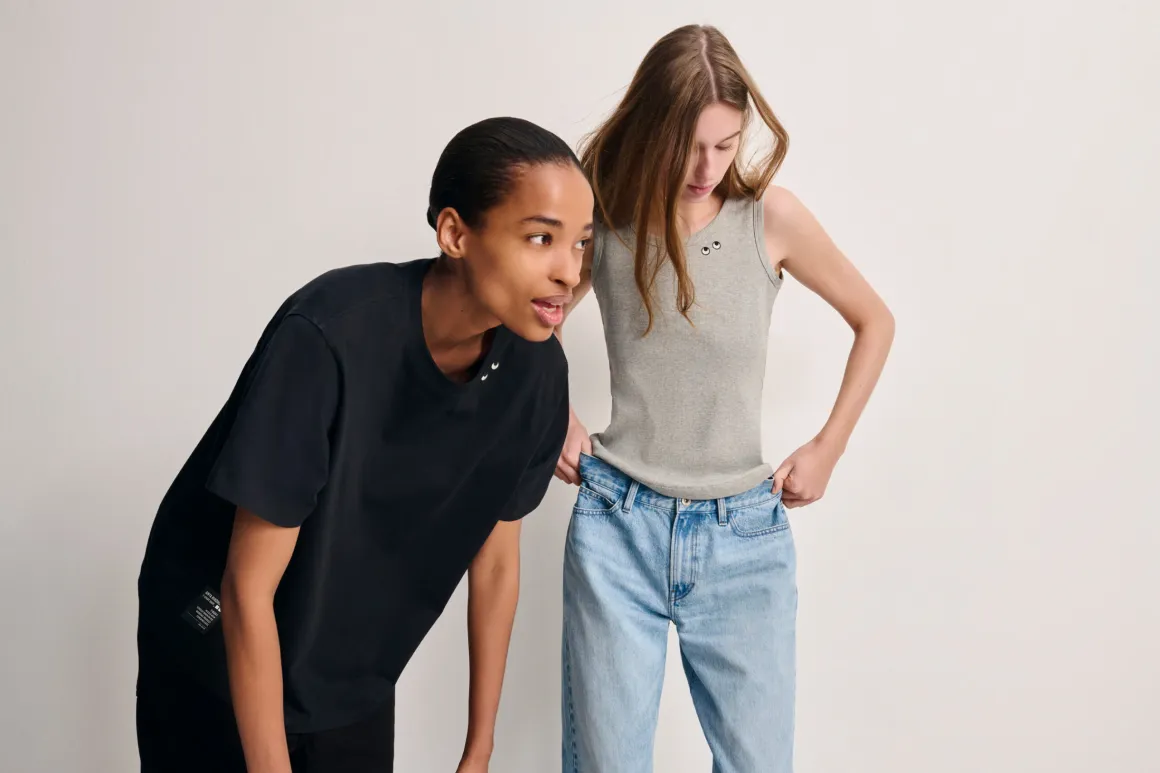
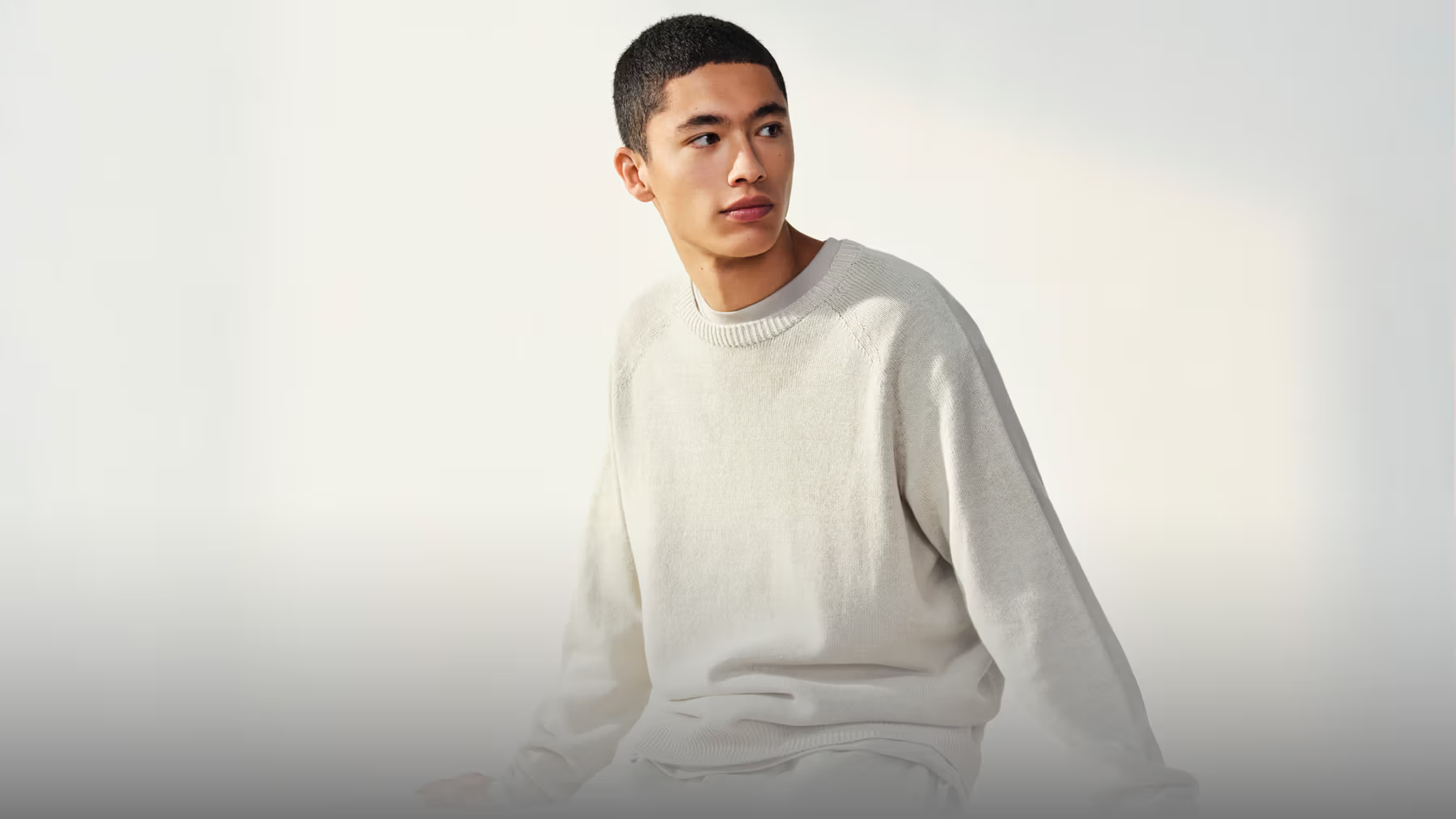
UNIQLO U Envisions Parisian-Style Essentials for a Modern Capsule
Let’s look at a few examples that embody this.
Uniqlo
The only clothing brand that blends Japanese minimalism with functional innovation — for everyday people who want stylish, affordable, practical basics — at a time when fast fashion was loud, disposable and trend-chasing.
UNIQLO
Uniqlo’s What Makes Life Better? brand film captures the quiet power of everyday clothing — showcasing how thoughtful, functional design can improve daily life in subtle but meaningful ways.
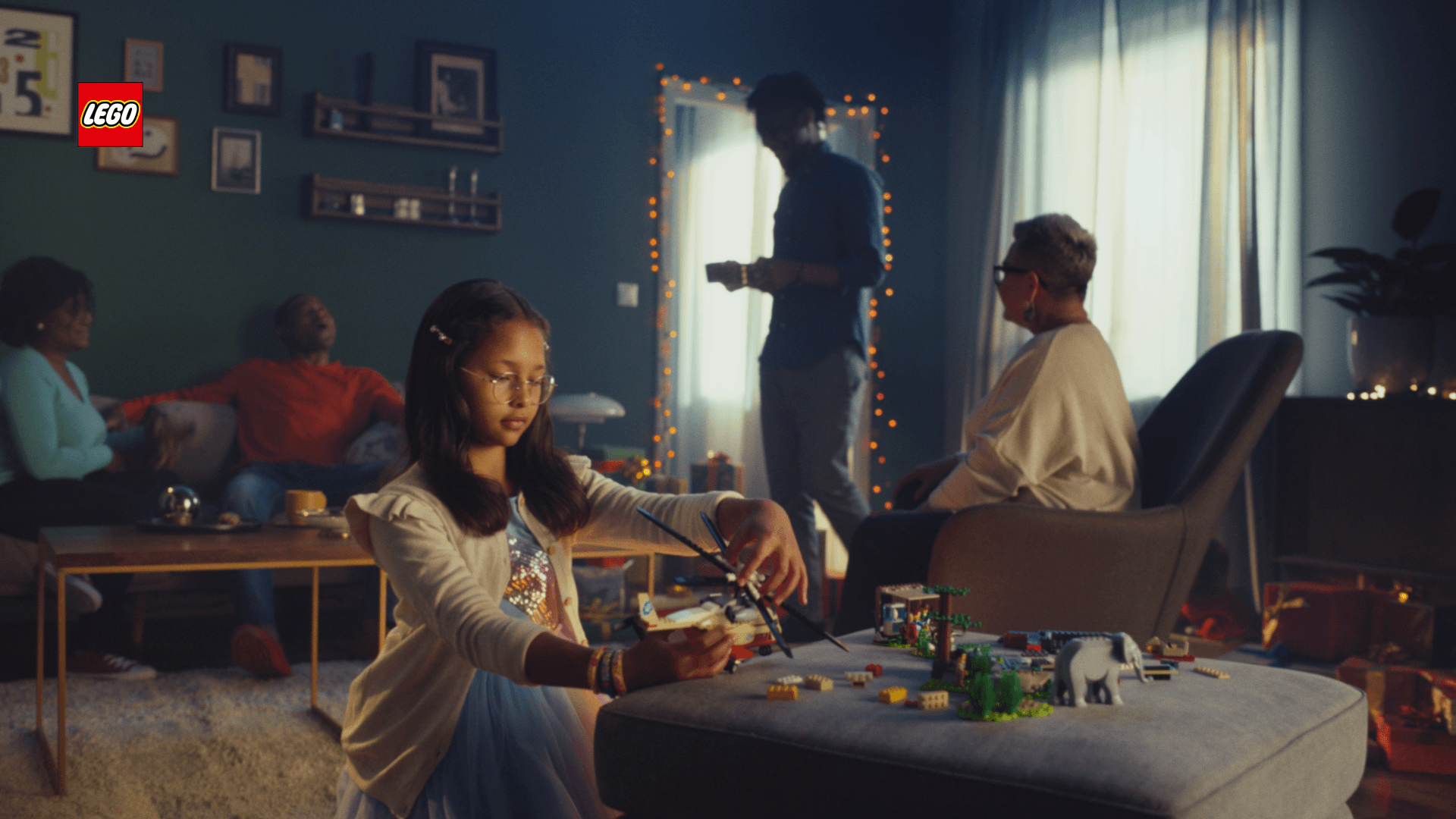
The LEGO Agency
LEGO’s 2021 holiday campaign, developed by The LEGO Agency, celebrates the limitless creativity of kids through a playful brand film and global #BuildToGive initiative — reinforcing LEGO’s role in helping families connect through imagination.
LEGO
The only toy brand that enables open-ended creativity through a simple, modular brick system, for imaginative builders of all ages, at a time when no other toy carried the same cultural relevance, cross-generational love or franchise adaptability.
As Neumeier puts it:
“If you can’t easily say what you’re the only of, don’t work on your statement. Change your business.”
Brand strategy is the long game. It’s how we outmanoeuvre the competition by being defensibly different. When we shift to being more brand-led, we set ourselves up to win more loyal customers, who spend more, stick around longer, and at a higher price.
Start with what makes you radically different, and build from there. For a deeper dive into this thinking, Marty Neumeier’s Zag is essential reading. It’s a sharp, practical guide to standing out in a crowded market. Read Zag by Marty Neumeier
Looking to sharpen what your brand is the only of?
Mude’s brand strategy work is built around finding what a business is the only of, and where that answer doesn’t yet exist, building toward it through operational decisions rather than positioning claims. For more on how purpose, vision, mission and activation hold this together as a system, see the pillar piece on building a brand-led business.
Explore how we do it: Brand Strategy at Mude.