Web design and development. For the brands that want to outmanoeuvre the competition
Love at first site. And every login thereafter.

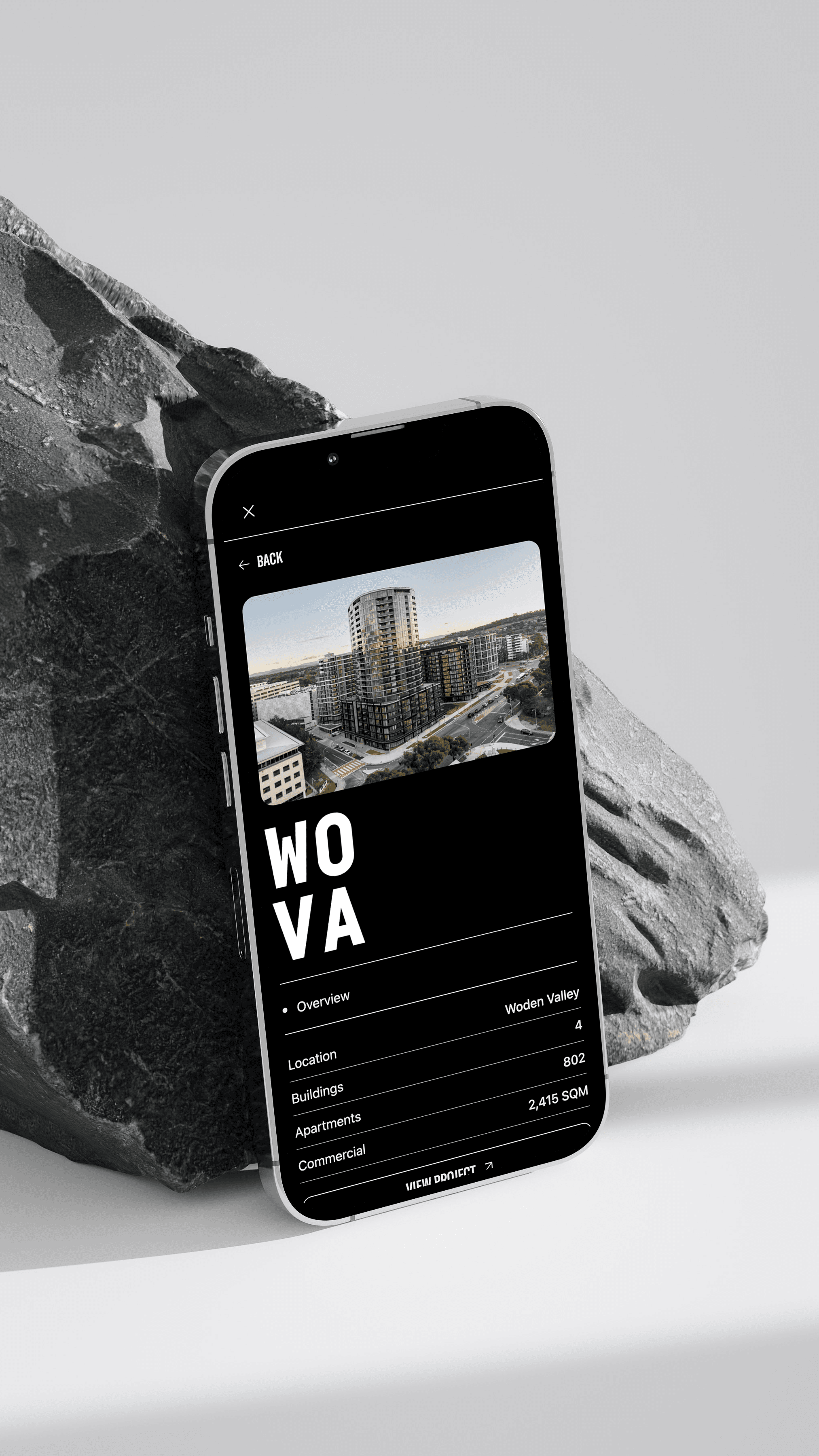
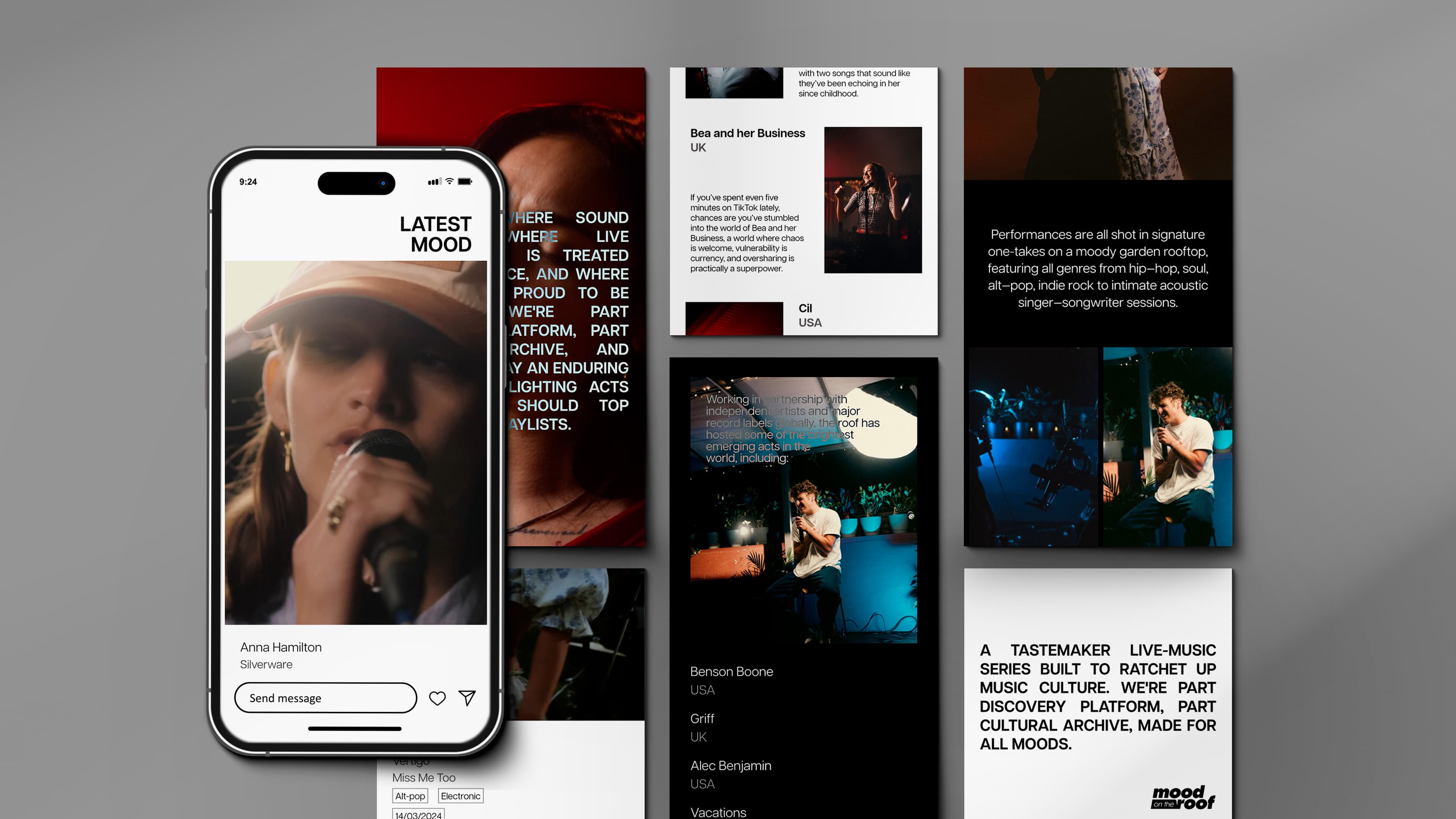
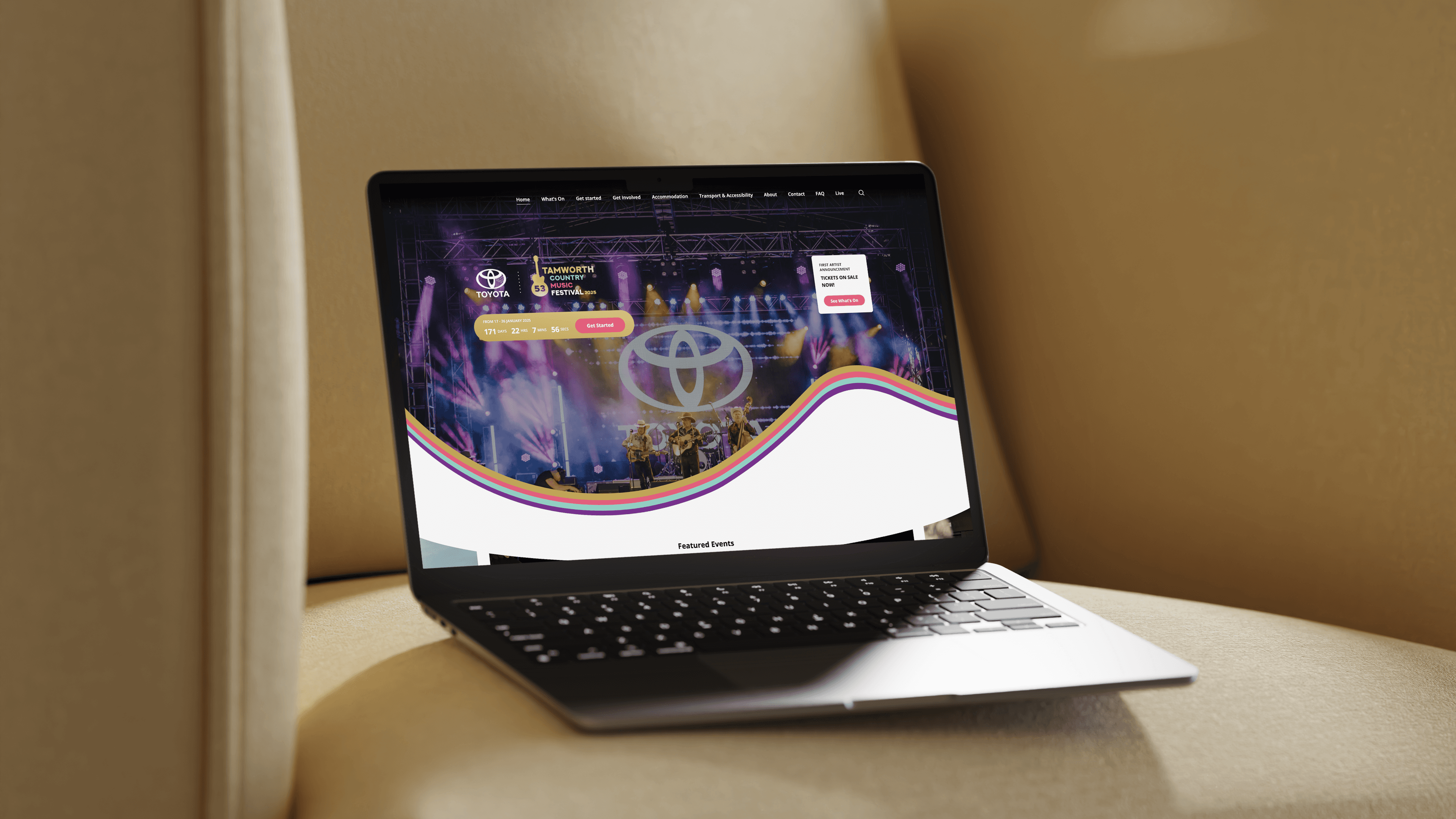
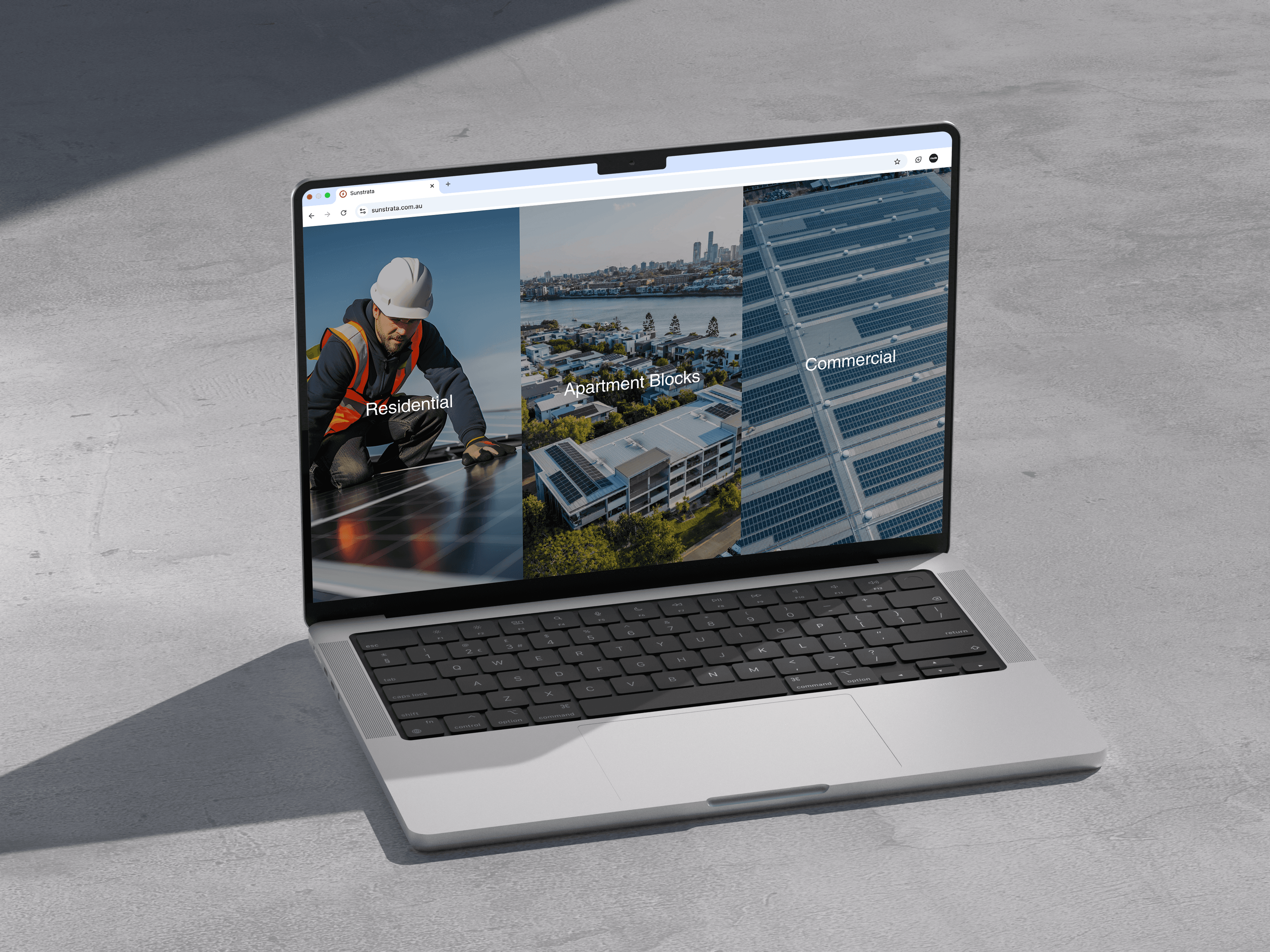
We reckon the website is where most positioning games are won or lost, and we build accordingly.
Every person who lands on your website is sizing you up. They're working out whether this company (or this brand, or this product) would hold up in front of the people whose opinion they care about.
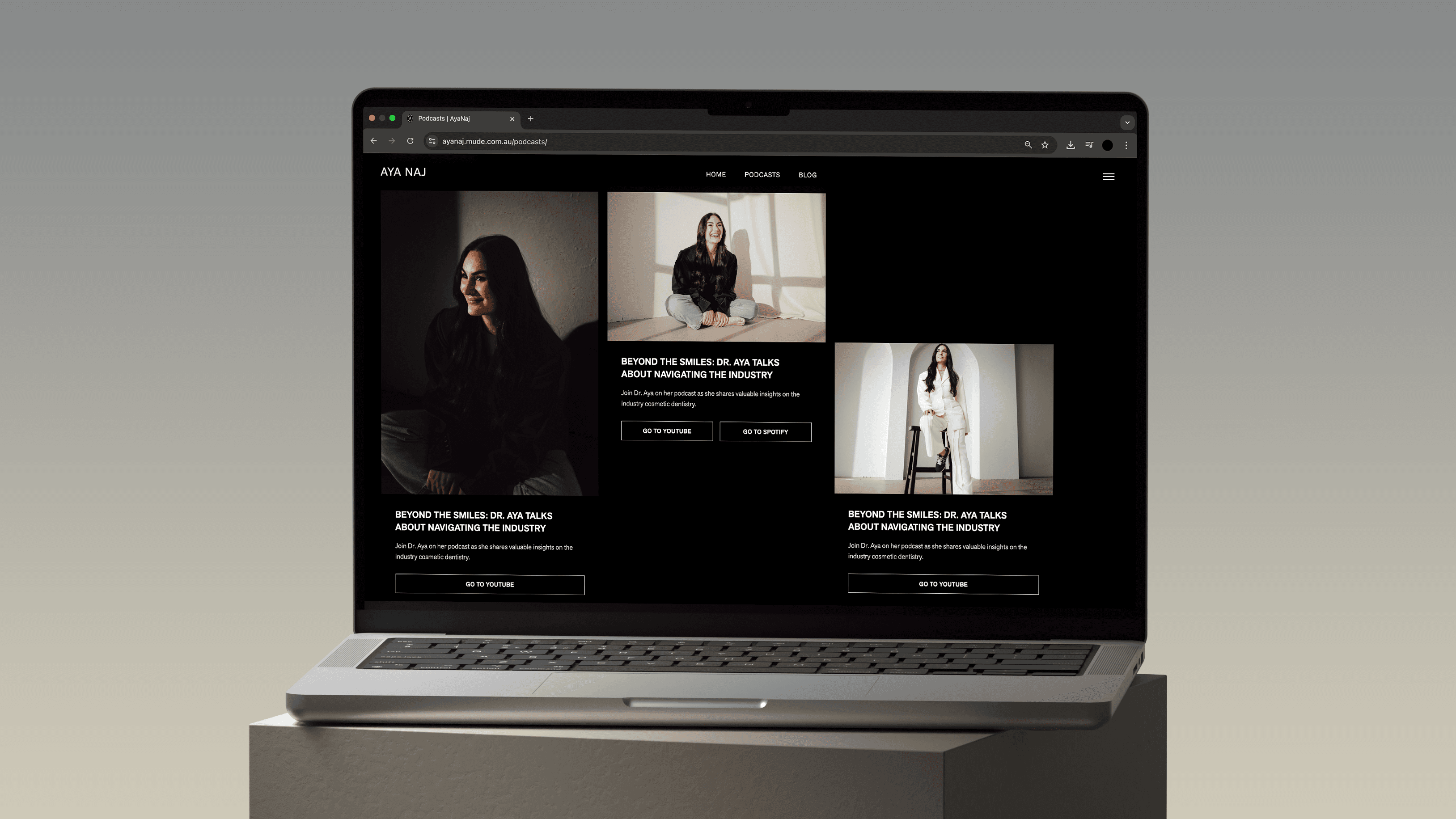
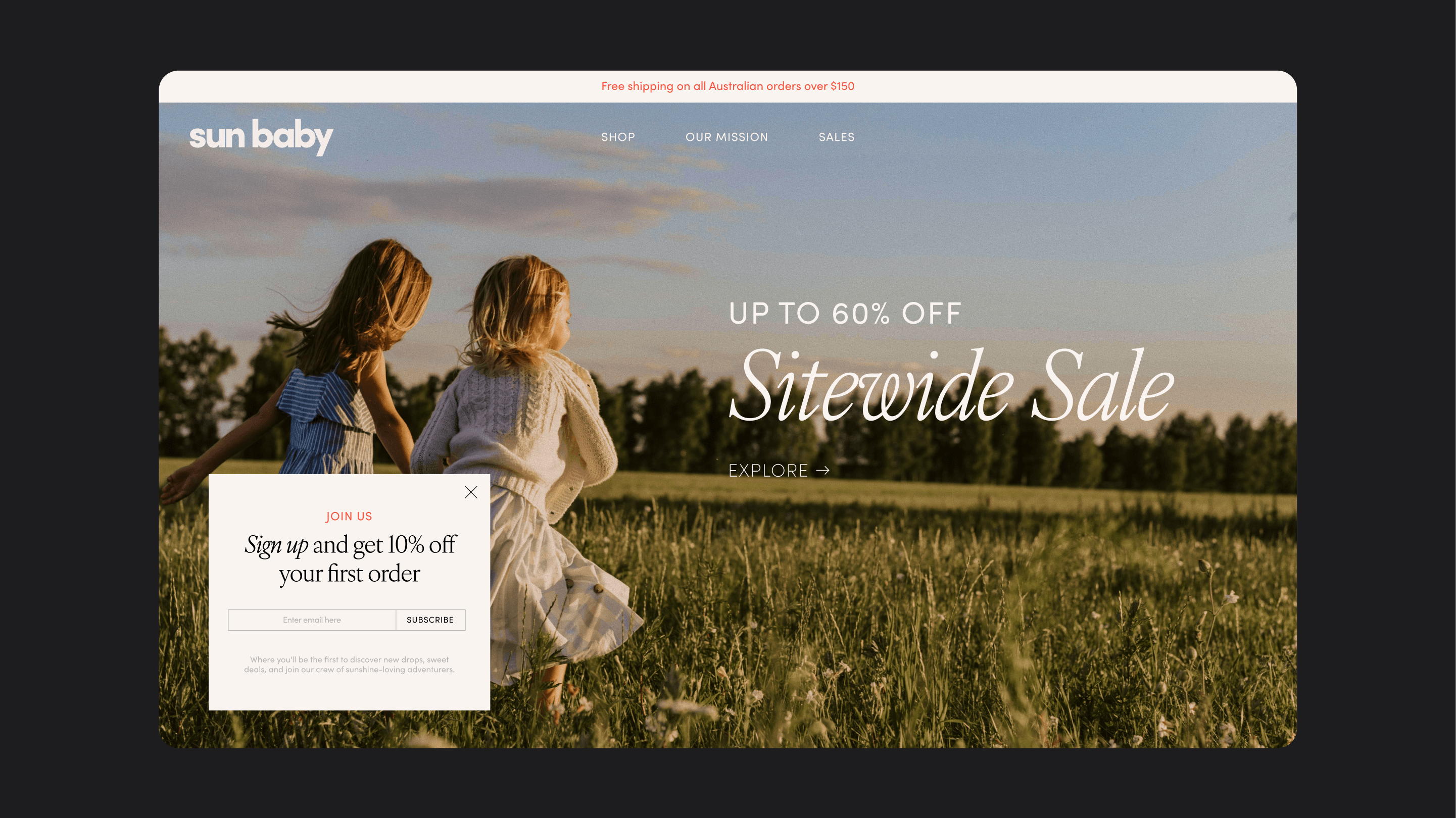
Websites, portals, and digital products built by a brand agency that actually writes code.
A brand agency with a dev team in the back. Designed and built in-house from strategy through to code. The web work sits downstream of the brand, so the site is shaped by who you're for and what you offer that nobody else can.

















Websites
- Brand sites
- E-commerce
- Campaign and microsites
Applications & Portals
- Web and mobile apps
- Custom portals and dashboards
- Data visualisation platforms
Ongoing Support
- New features and enhancements
- Iterative design and development
- Maintenance & hosting
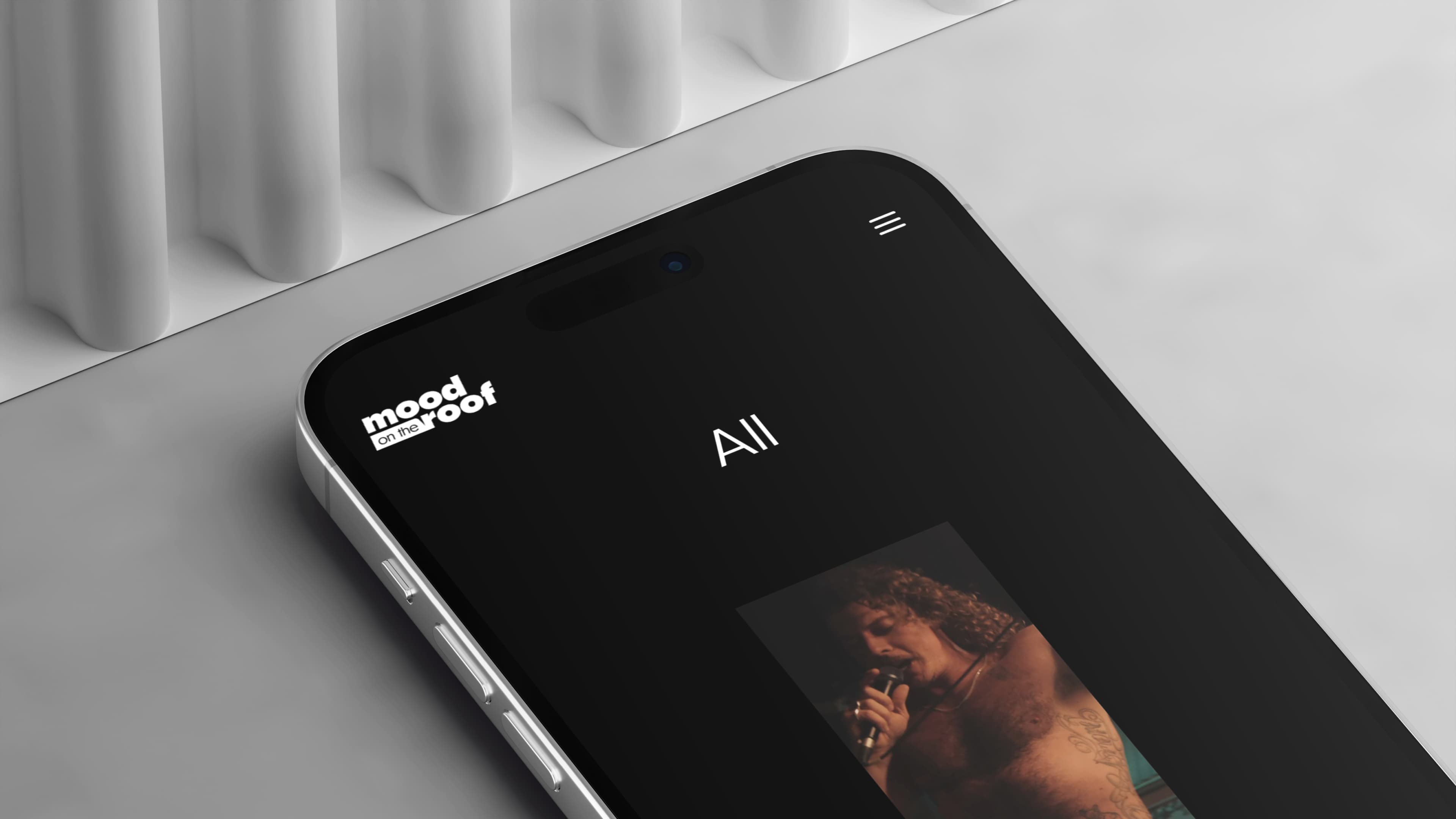

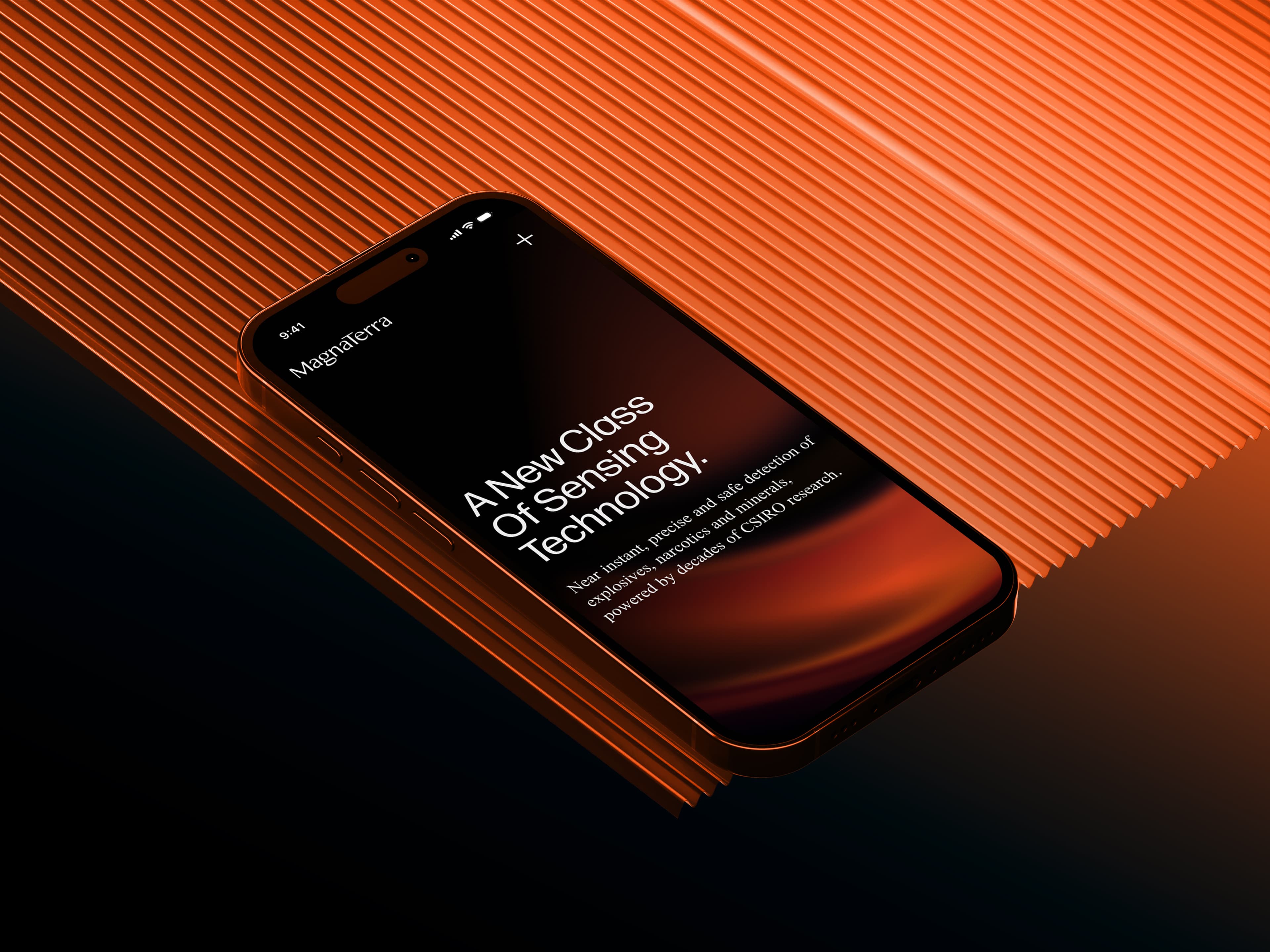
Blood, sweat and micro-interactions. Make it move. Move!
There are worse things a website can be called than boring, though not many. We aspire to make websites Dudley Dursley would find fun to use, which is a ridiculous ambition but a high bar all the same.

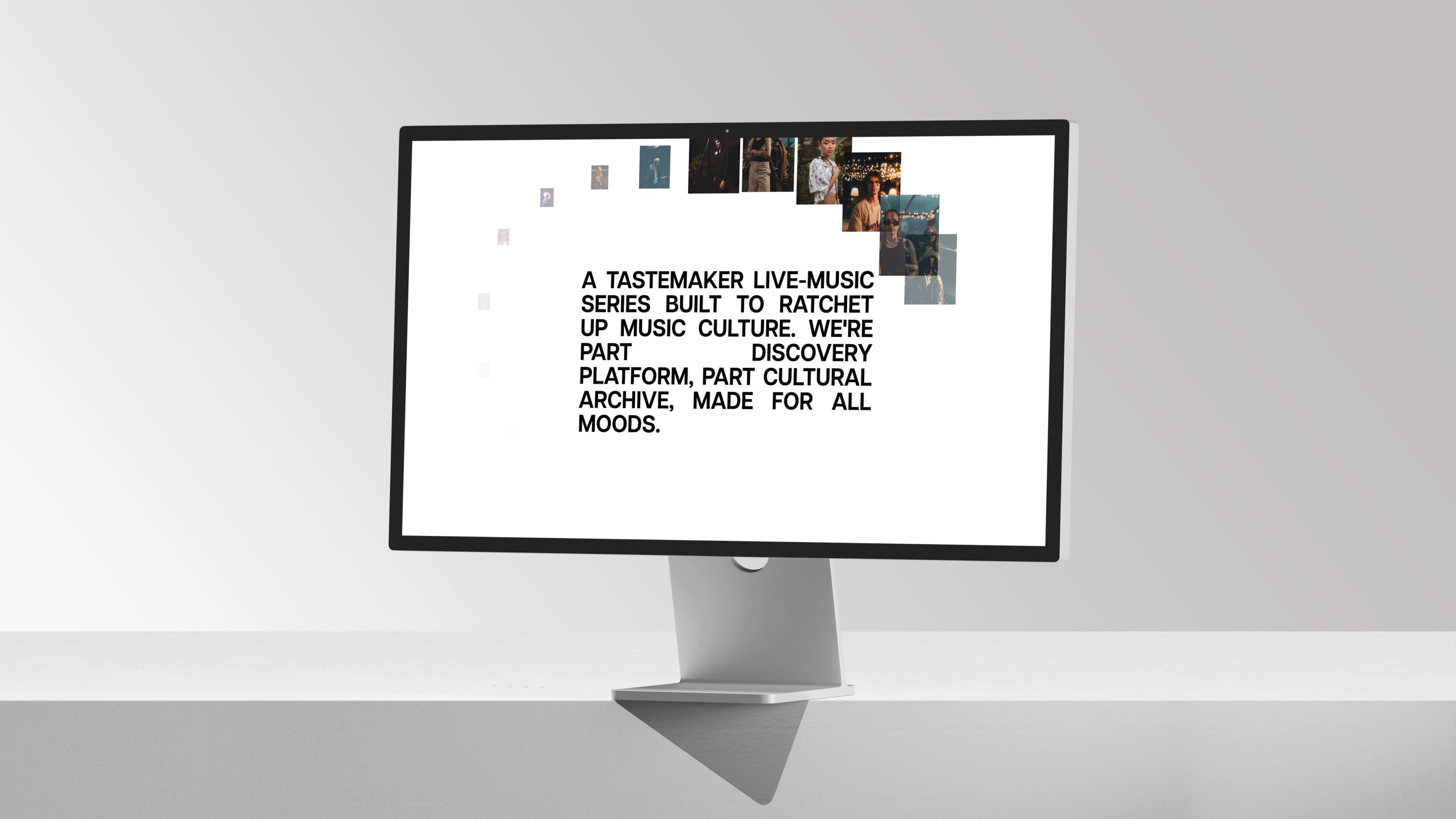
Keeping the lights on, the bugs out.
Ongoing technical support.
Not done yet. Possibly ever. New features, iterative design, hosting, and maintenance. We can stay in the work, so the site continues to perform ongoing.
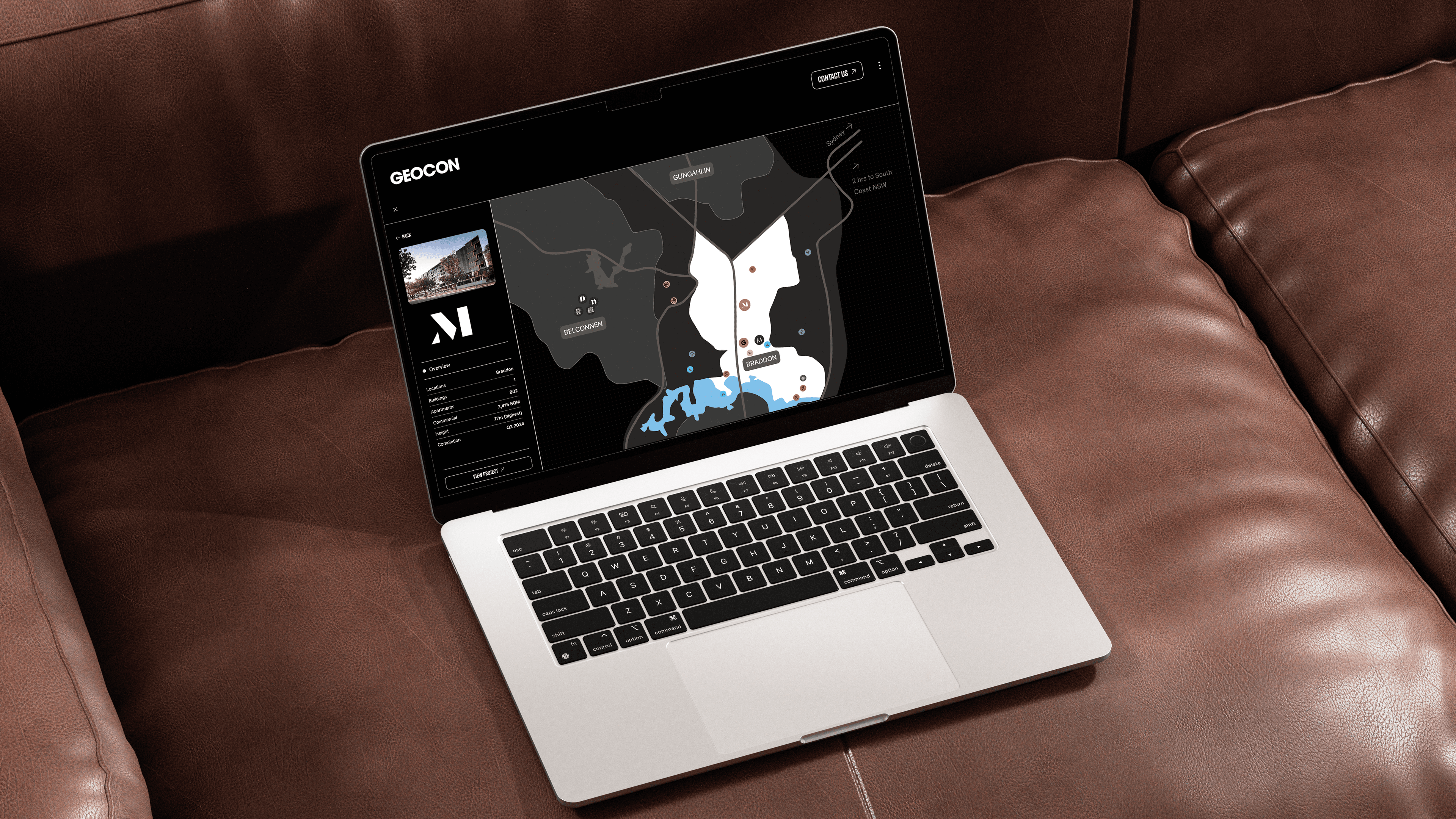
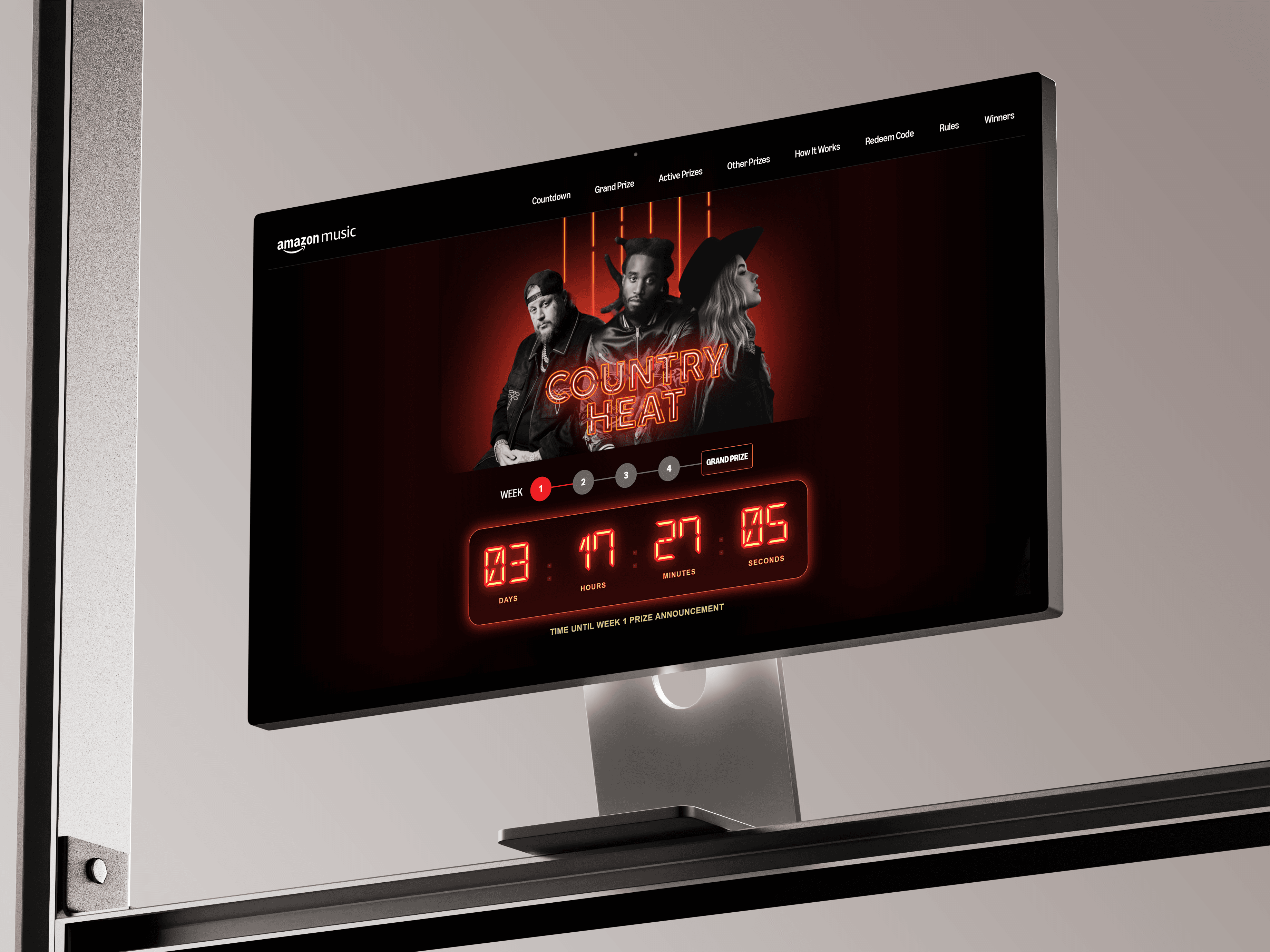
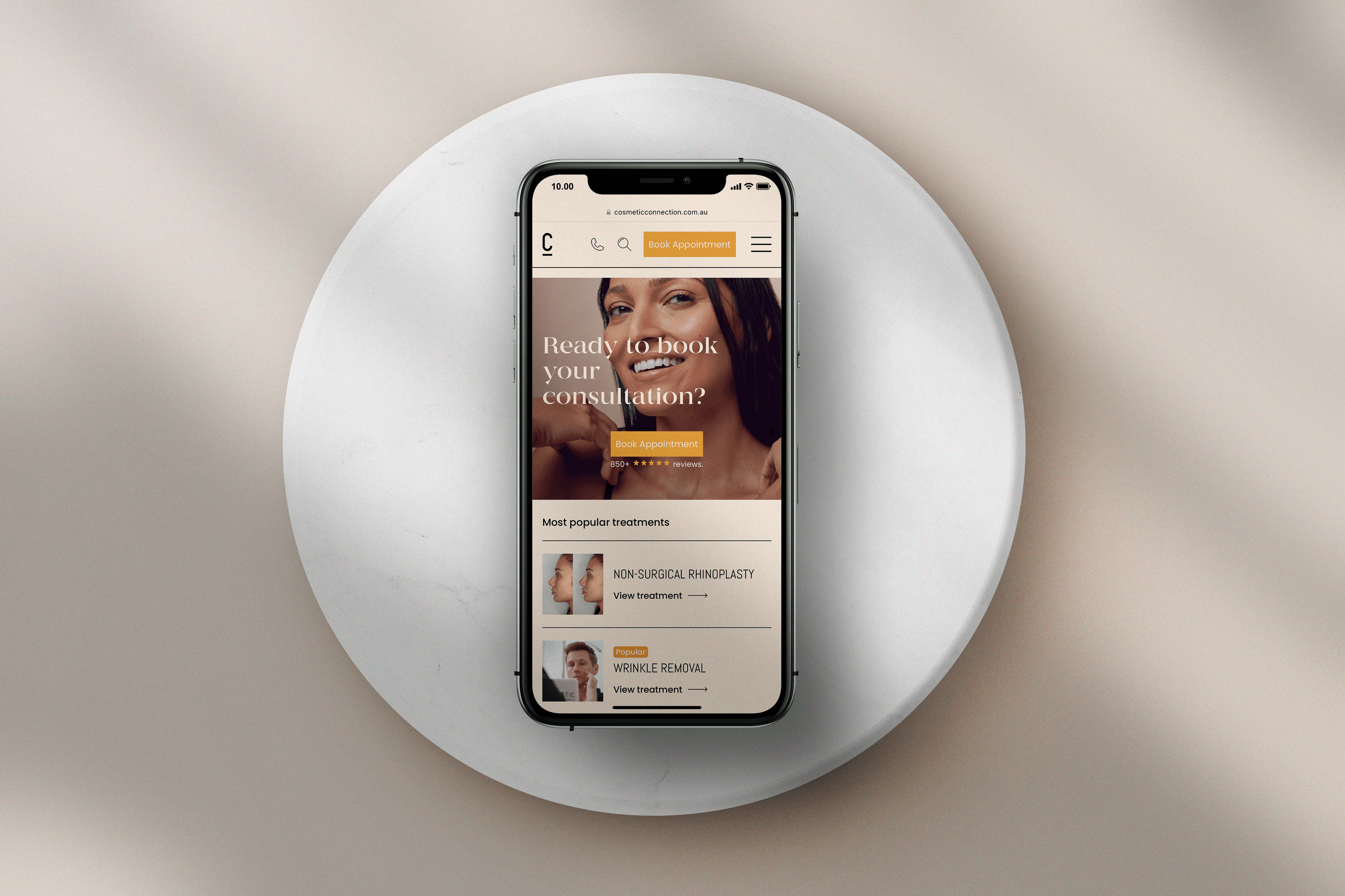
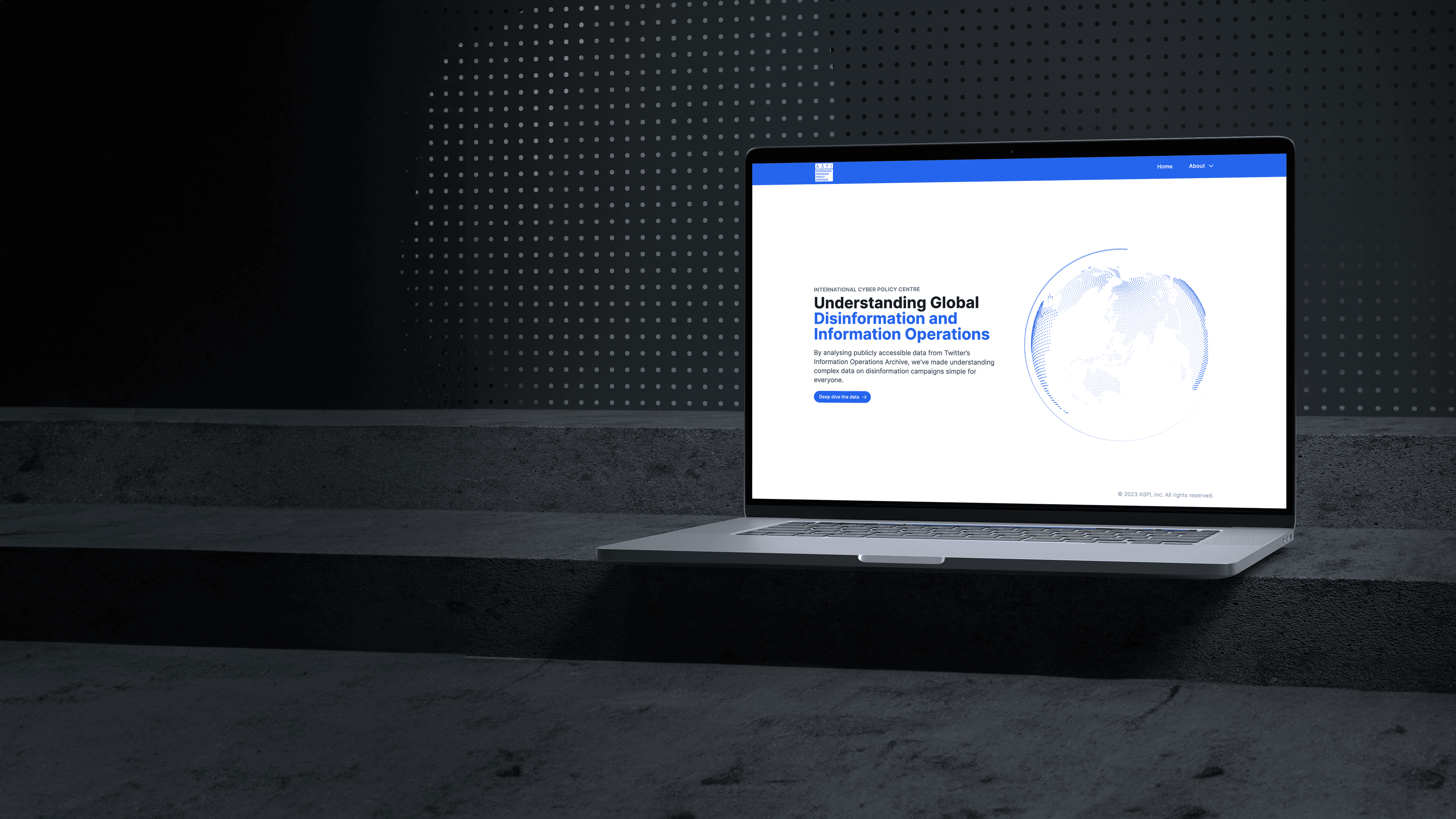
Some of the work that'd keep Dudley Dursley's attention.
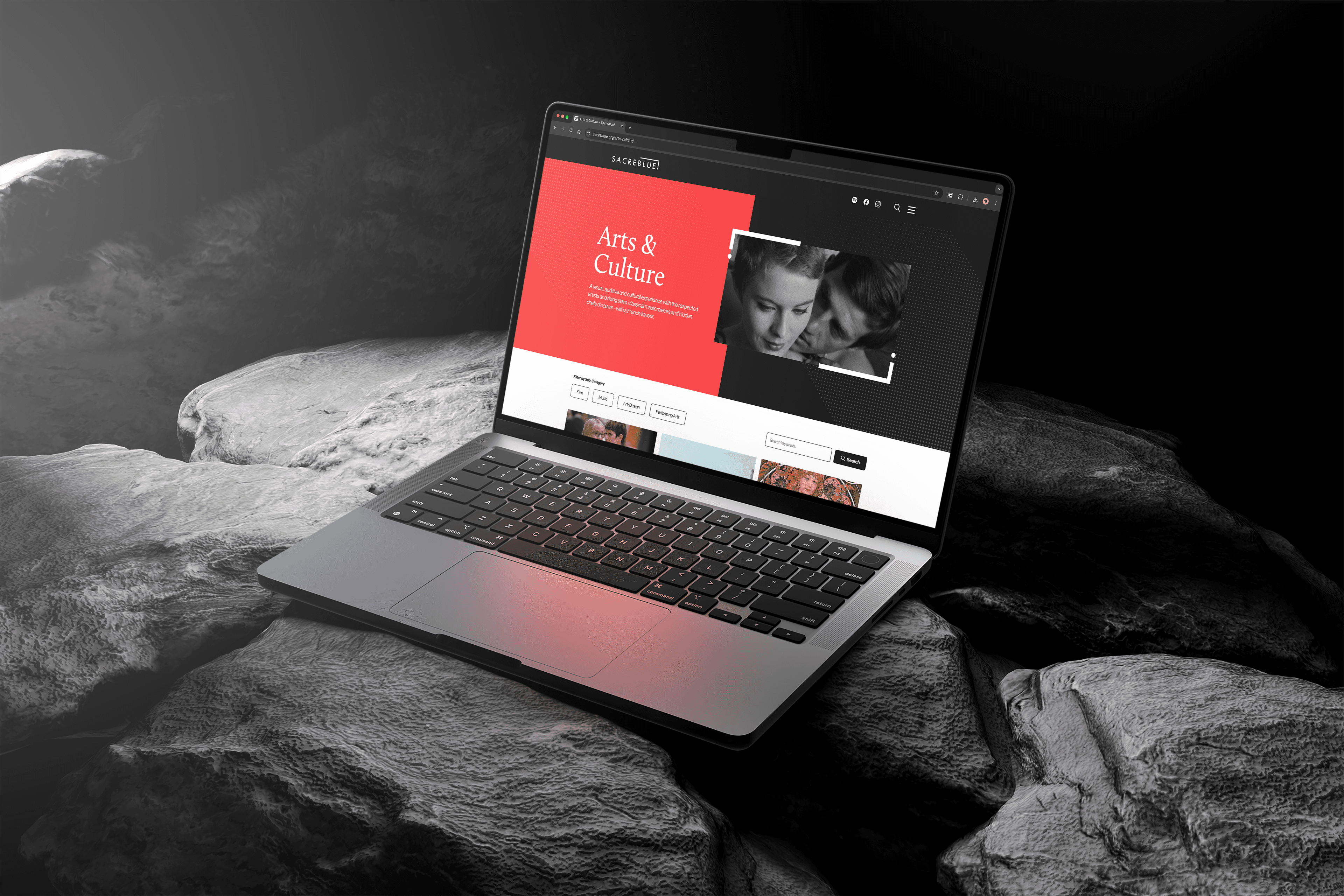
A digital campfire: campaign website design for Amazon Music building fan culture online
View case study

Frequently Asked Questions
How we approach website projects. The technical stuff, plainly.
Anything from a five-page brand site through to a digital product with thousands of users. Marketing websites, e-commerce, client portals, data platforms, campaign microsites, and custom applications. We design and build in-house across strategy, UX, design, content, and development.
We’re a brand and creative agency that designs and builds websites, not the other way around. The sites we build are shaped by positioning strategy, so the content hierarchy, the way the offer is presented, and how the site signals who it’s for are all connected to a commercial argument. If the brief is a quick build from a spec you’ve already written, a dev shop will be faster and cheaper. If the site needs to shift perception or justify a price point, that’s the work we’re set up for.
NextJS, React, Node, TypeScript, PostgreSQL, GraphQL, and TailwindCSS for custom builds. WordPress, Webflow, and Shopify when a lighter stack makes more sense for the client’s team and budget. We recommend based on what the site needs to do, not what we prefer to work in.
A website communicates the brand, the offer, and moves people toward a decision. A digital product is something people log into and use repeatedly: a portal, a platform, a dashboard, an app. The design standards are different because the user’s tolerance for friction is different. We do both, and the approach changes depending on which one the project actually is.
WCAG 2.1 AA by default, 2.2 AA when the brief calls for it. Style Manual and the DTA Digital Service Standard as baseline. None of that is the interesting part. The interesting part is what an agency does with the constraint.
The standard workflow puts WCAG at the end: design first, run it through a checker, fix the bits that fail. What that produces is a design system that looks great in the mockups and falls apart at audit, because the bits that fail are usually the bits doing the brand work: the primary colour that’s a hair too pale, the type at 14px that loses contrast on photography, the icon set that relies on colour alone for state. Retrofitting those is expensive once. It’s expensive every time the internal team extends the system afterwards.
We design to AA from the wireframes through. The constraint sits in the type ramp, the palette, the iconography, the layout grid, before any of it gets seen. Costs less to build because there’s no fix-it pass, and the internal team can extend the system afterwards without breaking the accessibility baseline.
In Australia. AWS Sydney (IRAP-assessed to PROTECTED) is the default for production builds. For sites we keep on retainer, we host on Vercel, because its deployment model and edge network are tuned for the Next.js builds we run most often. And for clients who want to operate the site on their own infrastructure, in-house cloud accounts, departmental hosting, or existing managed service contracts, we configure the build for that environment and help with the setup before handing it over.
The integrations most enterprise clients need are part of the default kit: Salesforce, HubSpot, Microsoft Dynamics 365, Mailchimp, ActiveCampaign, Stripe, Algolia, Auth0, GA4, and ServiceNow. SAP and Oracle integrations get scoped case by case, with specialist partners brought in under our coordination.
Most enterprise web work is the visible end of a broader brand governance problem: multiple business units, multiple regions, subsidiary brands with different levels of autonomy, and internal style guides that disagree in small but visible ways. A single web build doesn’t solve any of that on its own. It either exposes the problem or papers over it.
The design system we deliver is also a governance instrument. It documents which decisions sit at the master-brand layer (typography, palette, voice, accessibility baseline), which sit at the business-unit layer (sector-specific imagery, audience-specific copy, channel patterns), and which sit at the regional or channel layer. It documents who decides what, with what level of approval, and against which exceptions.
Three things, at minimum. A design system in code, with components, tokens, and patterns documented. A brand operations toolkit: writing playbook, content templates, social and campaign assets, and governance documents. And the technical documentation a platform or dev team needs to extend and maintain the site: architecture diagram, integration map, deployment process, security model, dependency inventory, and runbook.
For enterprise and gov clients, handover usually includes formal training for the operating team: content editors, brand stewards, internal platform leads, and the comms people doing the day-to-day work. The point is that the operating team can run the site without ringing us first. Knowledge that lives inside the agency is knowledge the client has to keep paying for, so we don’t design the handover that way.
A website redesign works when the positioning is clear and the site architecture is sound underneath. But if the brand has shifted, the regions or business units have multiplied, or the original IA can’t support the buyer journeys the business actually has now, that’s usually justification for looking at this from the ground up.
Most web design firms quote a rebuild because rebuilds bill better than redesigns. As a website redesign agency for enterprise and gov clients, we’ll tell you which one the project actually is after discovery, and we won’t recommend a rebuild if a redesign does the job. The deciding factor is usually whether the design system and the CMS architecture have another five years in them. If they do, we redesign. If they don’t, we rebuild and migrate.
A brand website typically sits between $30k and $60k + gst depending on scope and complexity. Larger builds (portals, custom applications, e-commerce with bespoke functionality) range from $60k to $120k+. We scope web projects after an in-depth discovery process to understand both the brand and technical needs for the project. If the engagement includes brand strategy and identity alongside web, the total usually starts from $120k + gst.
Not always. If the positioning and branding is already sitting in a place that serves the businesses actual objectives, we move straight into web. If it’s not, the site will paper over the gap rather than close it. We’ll tell you, and you can decide whether to work on that first or start with the build. The best web projects we’ve done started with the strategy and branding being under the microscope.
A brand website typically runs 8 to 12 weeks from approved designs to launch. Larger builds (portals, applications, e-commerce) run 3 to 6 months. If the engagement includes brand strategy and identity alongside web, the full timeline is usually 5 to 6 months end to end.
Yes. Hosting, maintenance, iterative design and development, and new features. We also provide CMS training so your team can manage content without us. We don’t do SEO retainers, paid media, or ongoing content marketing.
Yes. Every build uses the ASD Essential 8 mitigations as a baseline, and we align to the Information Security Manual (ISM) where scope involves OFFICIAL or OFFICIAL: Sensitive material. Accessibility is delivered to WCAG 2.2 AA. Penetration testing is run by independent third-party specialists before launch and at scope-change milestones. We don’t run it in-house, because the value of a pen-test is the independence. Form handling, data capture, and analytics are built to the Australian Privacy Principles under the Privacy Act 1988.
In Australia. AWS Sydney (IRAP-assessed to PROTECTED) is the default for production builds. Sites we keep on retainer run on Vercel, because its deployment model and edge network are tuned for the Next.js builds we run most often. For clients who want to operate the site on their own infrastructure, we configure the build for that environment and hand it over with setup support. That covers in-house cloud accounts, departmental hosting, and existing managed service contracts.
Performance lives in the design system, not in a post-launch optimisation sprint. Image strategy, typography, motion, the JavaScript footprint, and the layout decisions that drive Cumulative Layout Shift all get decided before the visual surface is designed. At enterprise scale, that extends to CDN edge caching, image optimisation pipelines, and the trade-offs between bundle size and personalisation. Get this right early or pay for the retrofit. The retrofit always costs more.
SEO is the same story. Most of it is information architecture and content structure decided in strategy. Schema markup, semantic HTML, internal linking, crawl-friendly routing, and rendering decisions for content-heavy sites are baseline.
The stack is matched to how the in-house team operates, not to what the agency prefers to work in. A platform decision made for agency efficiency becomes a five-year cost the client wears.
For public-facing sites: WordPress (and WordPress VIP at enterprise scale) for content-heavy sites with large authoring teams and a low tolerance for a learning curve. Drupal for gov clients with existing departmental tooling, or where complex content modelling and editorial workflow are baseline. Webflow for marketing sites with small content teams and a high design bar. Next.js with a headless CMS (Sanity, Contentful, or Strapi) for bespoke website design where content needs structured models and a templated platform won’t carry the brand.
For ecommerce: Shopify and Shopify Plus when the brand has a clean catalogue and needs the platform’s checkout, fulfilment, and merchant tools out of the box. Headless Shopify on a Next.js front-end when the brand needs Sydney ecommerce web design that performs as an experience, not just a transaction layer.
For applications and digital products: React with TypeScript for most product front-ends. Flutter for cross-platform mobile where a single codebase across iOS and Android is the right call. Node.js or .NET on the API layer where the wider integration stack is Microsoft-heavy. AWS Sydney for cloud infrastructure.
The client does. Source code IP transfers on final payment, with no retained ownership of bespoke code. Open-source dependencies remain under their original licences, and we provide a full licence inventory at handover for procurement and InfoSec review.