






















Where you compete and how you win. We make the tradeoffs explicit. Brand positioning, brand narrative, brand architecture, brand messaging, and what you offer that is rare, whether you can keep charging a premium for it, and what has to change in the business to make both true. This is brand positioning, repositioning, and rebrand strategy for companies with something on the line.
Brand strategy that mightkill a sacred cow (or several).

















Brand diagnosis and research
- Brand audit
- Brand perception research
- Competitive intelligence
- Category tensions
- Systems thinking
- Invisible forces analysis
Brand positioning strategy
- Customer positioning
- Competitive positioning
- Value positioning
- Cultural positioning
- Brand architecture
- Portfolio strategy
Brand narrative & messaging
- Brand story
- Brand purpose, vision & mission
- Messaging strategy
- Brand values
- Activating narrative
- Costly signalling plays
Brand guardianship & consultancy
- Ongoing brand advisory
- Fractional brand direction
- Brand decision support
- M&A brand integration support
- Brand activation roadmap
- Leverage points and prioritisation



This is business strategy
through a brand lens.
Brand strategy is your long-term plan to outmanoeuvre the competition. Our job is to find the part of the market that only you can own. Mude is a brand strategy agency, brand consultancy and brand positioning agency based in Sydney and Canberra, working with companies across Australia and abroad, on brand positioning strategy, narrative, and activation.

Brand positioning.
Don't bring a logo to a positioning fight.
We're going to need a bigger moat. Where you compete and how you win. Brand positioning, repositioning, competitive positioning, value positioning: the work that decides whether the business gets to charge a premium or stays stuck competing on price.
Brand narrative and messaging. It's the story, stupid.
Brand vision or mission ... not of the purpose-washing kind. None of the just sound-admirable-on-a-wall stuff (WeWork famously set out to 'elevate the world's consciousness' ... they rented desks). Brand narrative, brand messaging, brand story, and the messaging strategy that travels through the corridors of the company, and out the door into the world.
Cultural strategy.
If you build it, they won't come.
The brand orbits culture, it does not invent it. Cultural positioning, cultural posture, and the status mechanics that turn every purchase into a way for someone to say, without saying it, "I'm one of us."







Brand guardianship and consultancy. A brand is for life, not just for the rebrand.
Strategy doesn't matter until it's put to work. Brand consultancy, brand guardianship, fractional brand advisory, and the ongoing retainer that keeps the work commercial as the business evolves.
Brand strategy is more business strategy,
than it is creative strategy.

Dr Aya Naj
A personal branding making the clinical personal, and the personal powerful
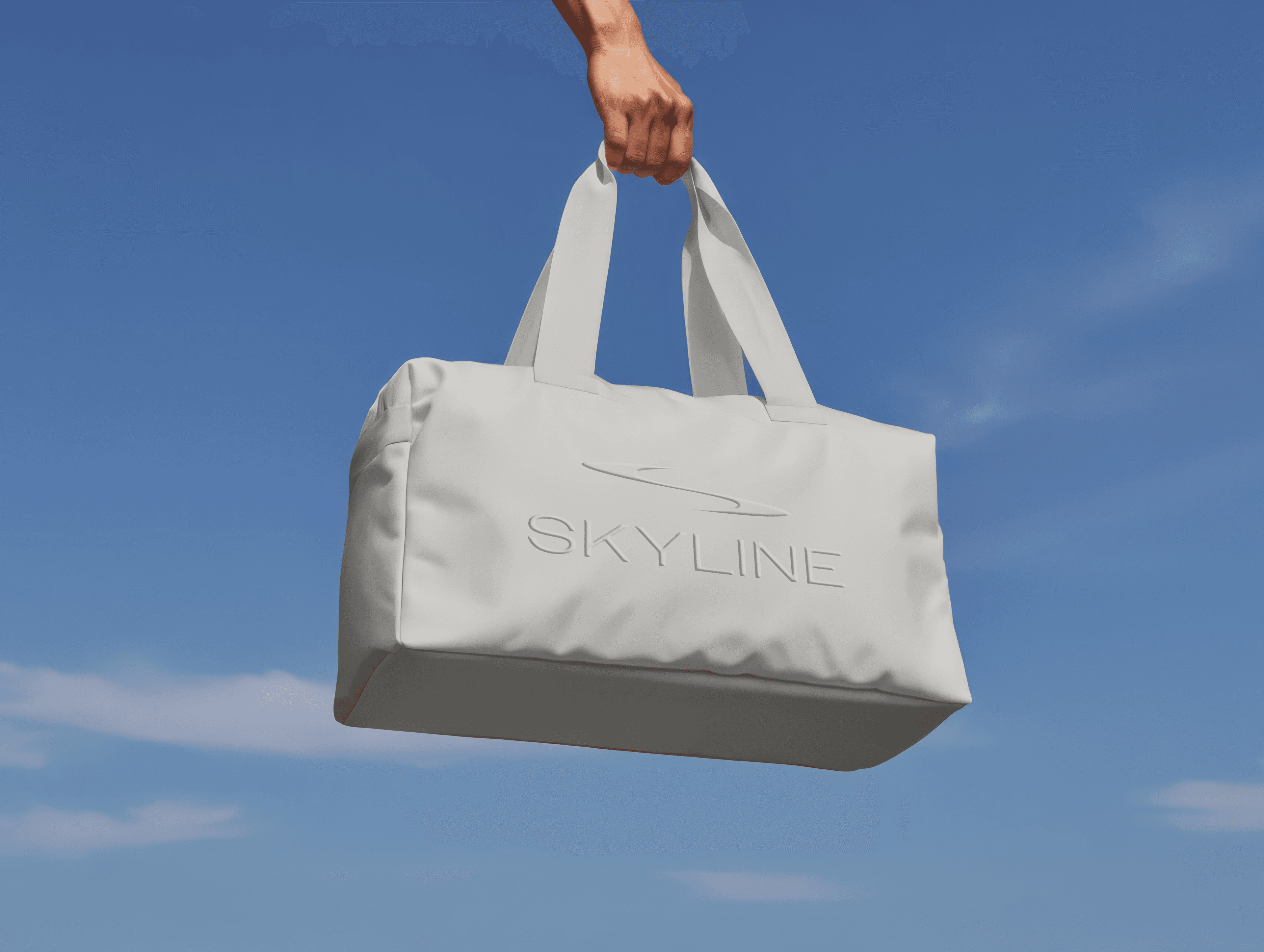
Skyline
An FMCG brand identity forged in the discipline and style of the ride

Sunstrata
Rebranding a solar disruptor taking on Big Energy
The point of brand strategy is to shape a company into a charismatic brand.
This is the complete strategic foundation: the Mude brand strategy workshop process that makes the brand distinct, relevant and charismatic. We'll guide you through a deeper process across different brand strategy workshop phases:: Diagnosis, Customer Positioning, Competitive Positioning, Value Positioning, Narrative, and Activation.
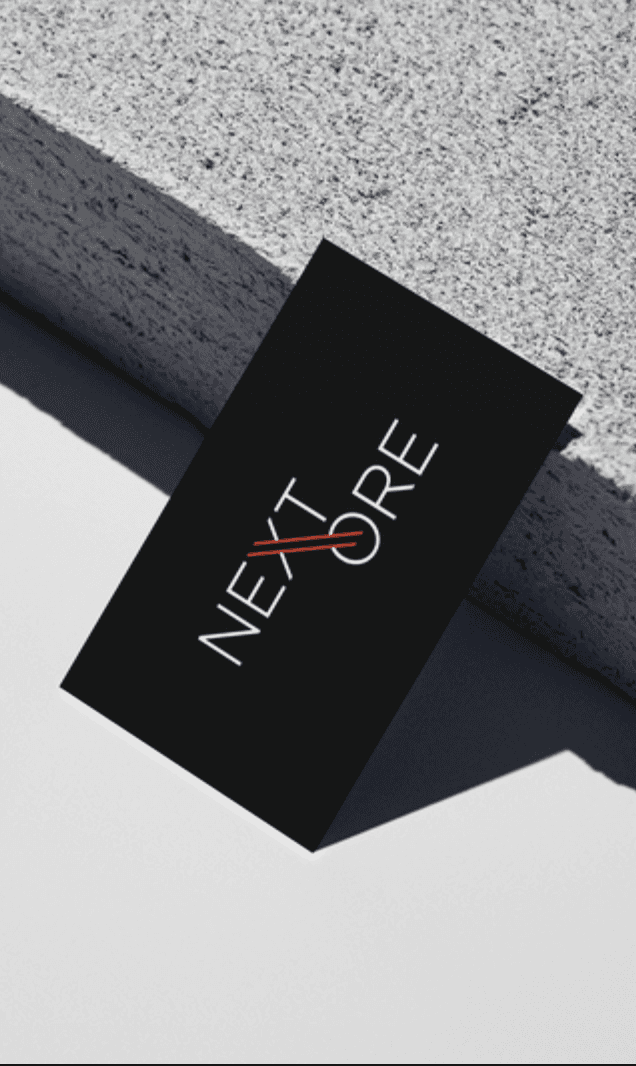
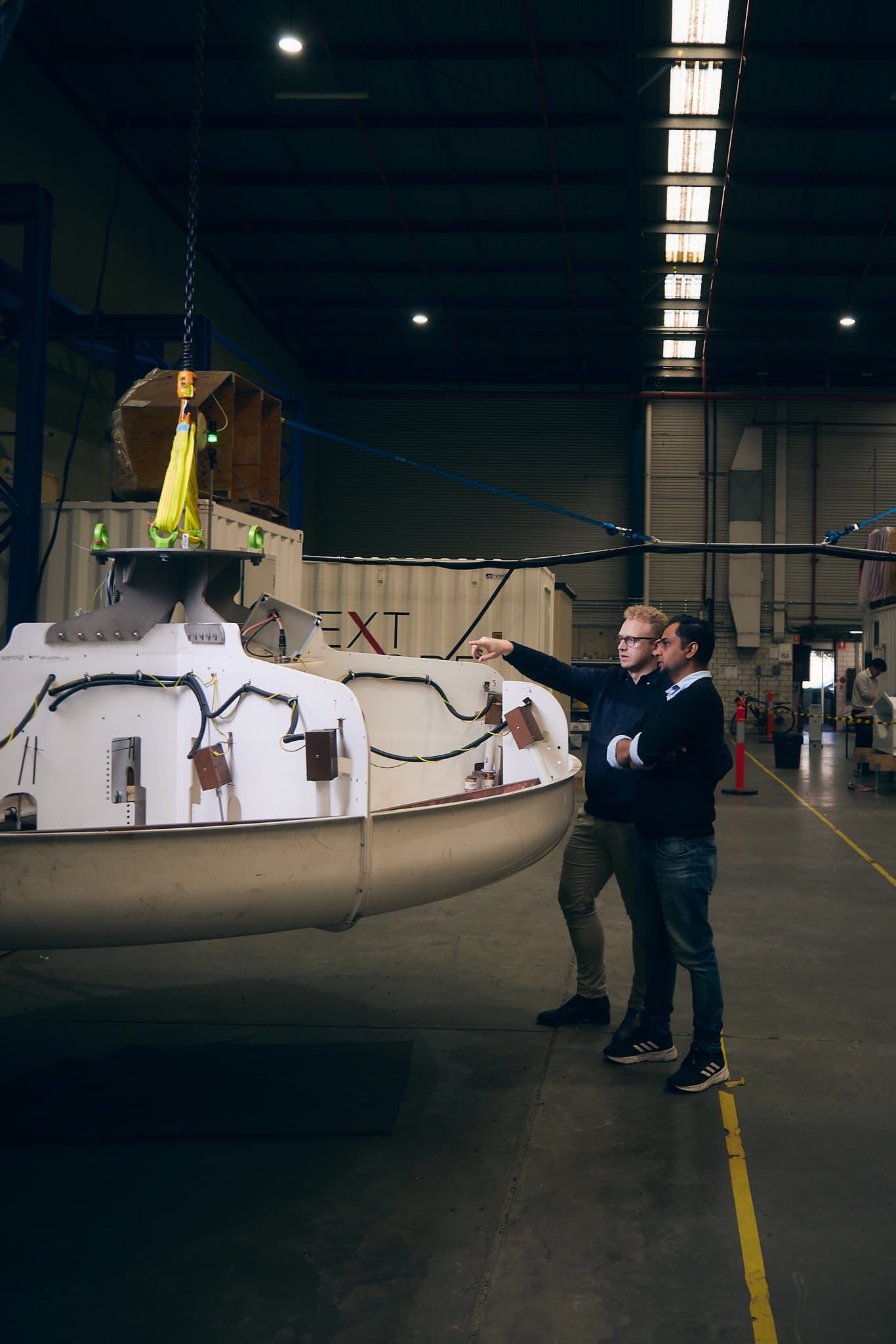
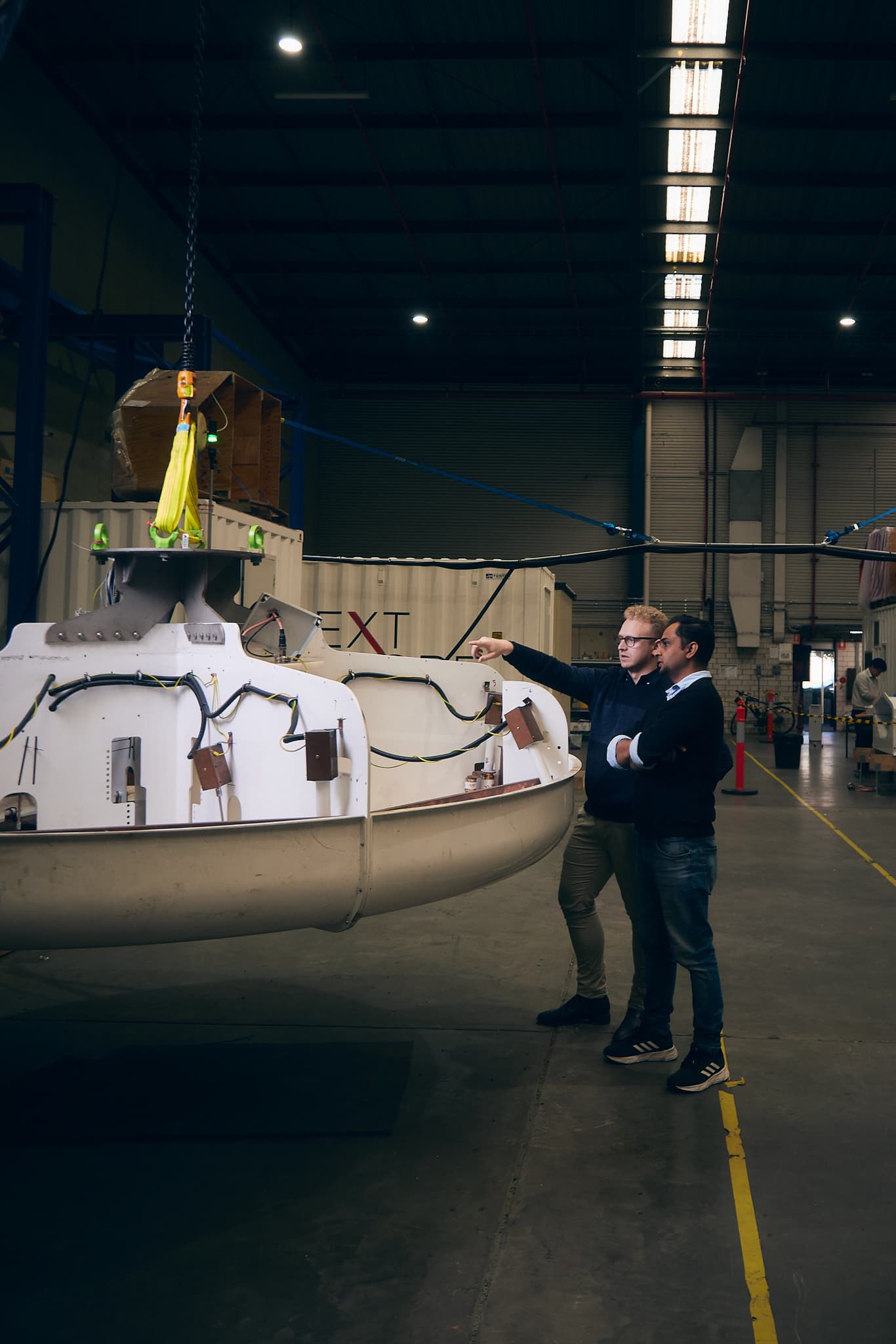
NextOre
Branding a CSIRO commercialisation in mineral extraction for a cleaner future.
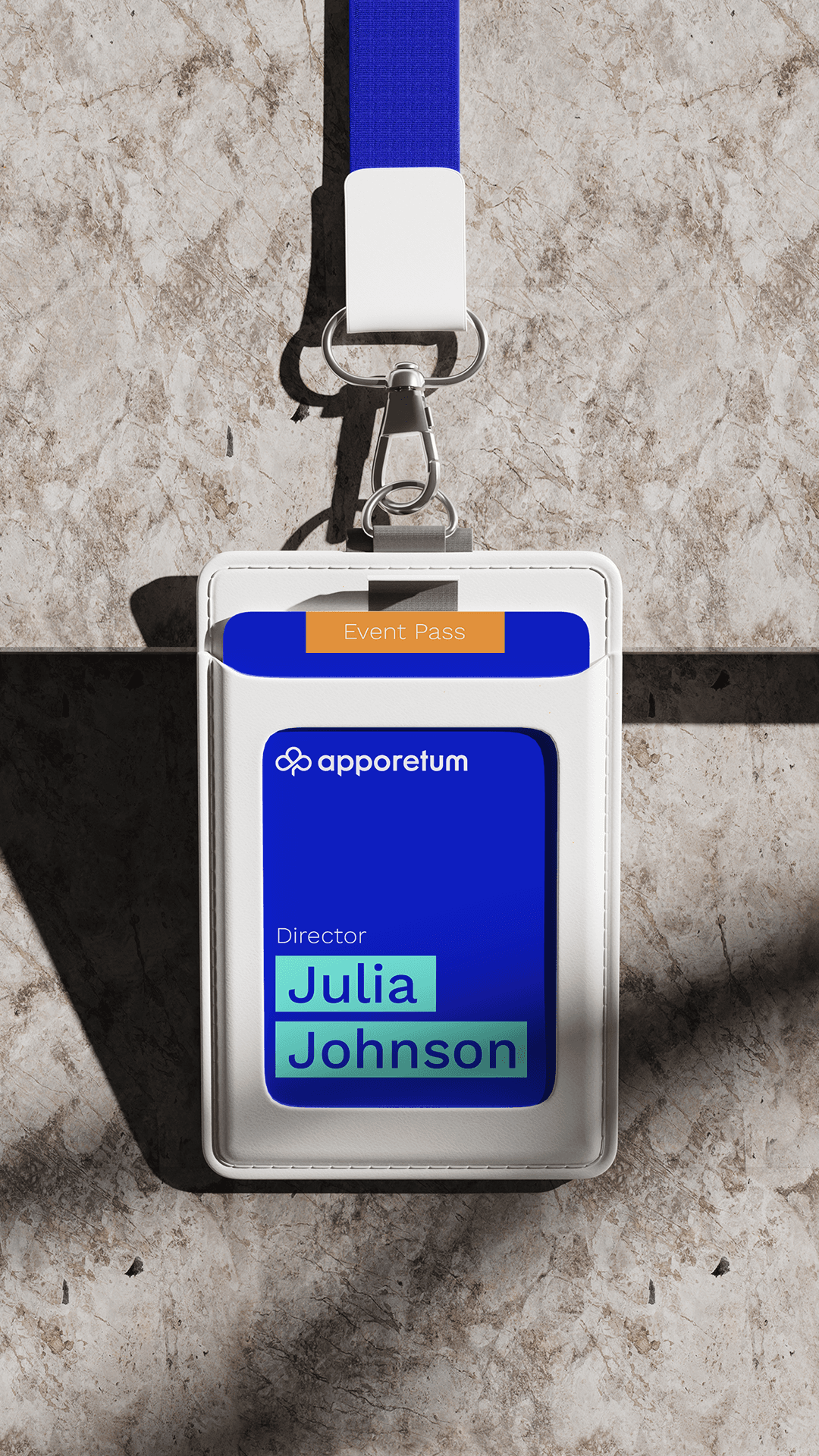
Apporetum
Apporetum: B2B branding for an identity and access management leader
Our approach, bridging strategy and creative.
The Mude brand strategy process and framework is about choosing what you will do and, just as much, what you won't do.
Diagnosis: Where are we? What makes this hard?
The diagnosis is the brand audit phase of the engagement, the work of figuring out how we move from the current brand perception to the future one, and what shifts are required to get there. Brands don’t exist in a vacuum, so we need to understand the forces applying tension or leverage that influence brand, culture and consumption. We ask what’s really going on. The few forces that matter. A clear view of the problem. Why is this difficult? The core of strategy work is discovering the critical factors in a situation and designing a way of coordinating and focusing actions to deal with those factors.
Is there something you offer that’s actually rare, and is what you’re charging for going to stay rare? What part of your offer are buyers getting for free or cheap, now or in the next two years? What invisible forces are applying pressure (regulatory, technological, cultural, demographic)? What tailwind have you been benefiting from that isn’t guaranteed forever?
Customer positioning: Understanding the tribes.
How do we create a customer, and who are they? Mapping by psychographics rather than demographics. What frustrations drive their choices, what do they want to be part of? That sorting is what association does in brand. It answers two questions every buyer is asking without realising it: “Do I want to be aligned with this organisation?” and “What does buying from this brand say about me?”
The tribe mechanic is older than marketing and harder to fake than messaging. Doc Martens were not designed for punks. Subaru did not set out to become the car of choice for lesbian couples in the American northeast. In both cases the sub-culture already existed and the brand became useful to it. You cannot brief a tribe into existence with a community strategy, you can only become useful to one that already exists. Customer positioning is the work of figuring out which tribe you’re actually serving, what dialect of status they care about (taste, competence, moral purity, being-the-one-who-knows, or whatever their group rewards), and how to make choosing you a way to signal status inside that tribe.
Competitive positioning: Who are we compared to?
What other brands are serving other tribes? What territory is open? Which competitors are playing a game we can’t win, and what game can we play better? We uncover the narratives, myths, and repeated tropes that define how the category sees itself, so we can decide which ones to adopt, subvert, or completely rewrite.
Narrative: Who are we? What do we stand for?
Before a brand can tell the world who it is, it has to know it for itself. We work through the beliefs, purpose, and ambition that give the brand direction. We’re not here to find statements that sound admirable on a wall, but to make it clear why we do what we do, what makes us different, and how we provide an organising centre for customers, employees and partners to orbit around.
Value Positioning: What do we deliver?
Moving from what the brand does to what it means, and from what people buy to why it matters to them. We trace the path from features to benefits to meaning until we find the point of difference that gives you pricing power. We keep asking “okay, so what?” until the answer is something a buyer would actually pay a premium for. Aesop hand soap and Palmolive hand soap are both soap. One sells for thirteen times the other because Aesop built a status mechanic around the product that made the price feel defensible.
Activation: How will we grow and activate the brand?
Strategy doesn’t matter until it’s put to work. Here, we decide how the brand will show up, what it will telegraph, and where it will prioritise its efforts.
FREQUENTLY ASKED QUESTIONS: BRAND STRATEGY AGENCY, BRAND CONSULTANCY & BRAND POSITIONING
Questions, your honour. Brand strategy questions asked and answered.
A positioning strategy document, brand narrative, value proposition, and an activation roadmap. The strategy document is the one most clients say changed how they think about the business. It covers the diagnosis, where you compete, who you’re for, what you offer that nobody else can, and the coordinated set of moves to take it to market. It’s a decision-making tool.
We don’t hand over a lofty positioning document and wish you luck. The strategy has to survive under scrutiny: what happens to the current revenue, what are the second and third order impacts, and what does the transition actually look like.
We’ll run a brand audit on it honestly. If the positioning is strong and the diagnosis holds up, we’ll tell you and move straight into brand identity design or whatever the next creative phase is. If it doesn’t hold up, we’ll tell you that too. We’ve inherited strategy documents from other brand consultancies that were beautifully written and strategically empty, and we’ve seen scrappy one-pagers from founders that nailed the positioning.
It probably will. You ready?
The diagnosis usually reveals something messy about the current brand, that if we just solved that one thing it will make everything else easier. We’ve seen our fair share of ‘sacred cows’ that the leadership team is attached to too. We name these tensions explicitly because a strategy that avoids the uncomfortable parts isn’t a strategy.
Honestly? We think they’re the same thing. Brand strategy is just business strategy through the lens of how the market perceives you. You can’t separate how the business competes from how the brand is perceived. If your brand strategist or brand strategy consultant doesn’t understand your P&L and the actual operational and commercial needs of the business, they’re not doing strategy.
The Mude brand strategy framework usually runs four to six sessions, sometimes fewer if the business is straightforward or the CEO already has a clear view of the problem. We’ve run engagements with a single workshop where the diagnosis was obvious and the positioning just needed to be made explicit. We’ve also run up to eight where the business had multiple verticals and sub-brands, or competing stakeholder views.
The people in the room matter more than the number of sessions. We need senior decision-makers who understand the business, can make calls, and won’t need to seek approval from someone who wasn’t there. If the person signing off on the strategy isn’t in the workshops, we end up presenting to someone who has none of the context and all of the opinions. That kills momentum and usually dilutes the work.
For identity and creative phases we work with a smaller group and check in at defined approval points. The process is collaborative but structured. We don’t run things by committee.
Brand positioning is the territory you occupy in the market, and in the mind of those people you’re trying to orbit as a brand. Owning a territory means that for the people making a decision between you and something else, there is something about that brand they can’t get from someone else. That could be functional territory or emotional territory.
You know a brand is positioned well when people stop comparing it on the lowest common denominator, which is price.
A surprising amount of brand strategy is just getting a leadership team to commit to what the company is not for. The ones who struggle with positioning are usually trying to hold onto too many mediocre territories rather than trying to win in one, because letting go of any of them feels like leaving revenue on the table. There are usually sacred cows that come up in every strategy engagement, and generally the clients we work with know they’re paying a tax on a sacred cow and benefit from a brand positioning agency or brand strategy agency coming in..
A brand guidelines document tells people how to use the identity, including the logo, the colours, the type, the spacing. It’s a consistency tool and we produce one as part of every identity engagement. That’s not what brand strategy is.
Brand strategy is business strategy. It’s the set of decisions about where the brand competes, who it’s for, what it can own that competitors can’t, and how it outmanoeuvres them. It should make clear how the brand creates preference, earns pricing power, and wins a specific territory in the market. A guidelines document doesn’t do any of that. It tells you which Pantone to use.
The confusion usually starts because someone puts a purpose statement, a mission, a vision, and a set of values into the front of the guidelines document and charged that work as strategy. Now the company has a PDF that looks like it covers both the strategic thinking and the identity rules, and everyone assumes the brand work is done. It’s not. A purpose statement in a guidelines doc is not a competitive strategy.
The number of companies that hand us a guidelines PDF and tell us they’ve “done brand strategy” is staggering. Sometimes they’ve confused the tool for the thinking. And sometimes an agency called it strategy to justify the fee and delivered a branding system with a purpose statement stapled to page 3 and those companies have rules for how the brand looks but no competitive logic for why it behaves that way or what it’s supposed to do for the business.
A brand strategist figures out how a company wins and builds the plan to make it happen. That’s the short version.
The longer version is that a brand strategist (or brand strategy consultant, same role) sits across the boundary between business strategy and creative strategy. The job is diagnosis first, understanding where the business actually is, what forces are applying pressure, where the positioning is weak, and what’s costing the company money, talent, or market perception.
A lot of people hear “brand strategist” and picture someone who writes purpose statements and picks mood boards. That version of the role exists, and it’s the most prevalent in the market. But a brand strategist should be translating business problems into brand decisions that have commercial impact. A business thinker, not a creative director. The two roles get conflated constantly, and they shouldn’t. If your brand strategist doesn’t understand what’s driving the P&L and the operational reality of the business, they’re not doing strategy.
The part people underestimate is the facilitation. The work that actually moves the business forward is getting a leadership team to make the decisions they’ve been circling for years. What the company is not for. Which sacred cows are costing more than they’re worth. Where the positioning is fuzzy because nobody wanted to commit to a tradeoff. A lot of the value of a strategist in the room is creating the gumption and the structure for those conversations to happen and for the decisions to actually get made.
The point of brand strategy is to make the brand charismatic.
A competent business solves a problem for an existing market. It finds a pain point, serves it well, and wins on execution. Most businesses operate this way and most agencies are built to help them keep doing it.
A charismatic business creates a customer out of thin air. It pulls people in for reasons that are sometimes unnecessary, sometimes irrational, and sometimes objectively inconvenient — but interesting enough that people come anyway.
What pain point does Aesop solve that Palmolive doesn’t? Both are soap. One sells for thirteen times the price. The gap isn’t explained by salience and it isn’t explained by distribution. Aesop built a status
mechanic around the product that turned the price into proof rather than a penalty. Palmolive didn’t.
Liquid Death is probably just tap water in a metalhead beer can. By every reasonable measure it shouldn’t exist. It became a billion dollar company in five years.
Brand strategy is the work of figuring out whether your business can be charismatic, or whether it’s stuck in the competent lane competing on features and price. Most clients arrive convinced they’re competing on competence and leave understanding they were always playing a charisma game … they just hadn’t named it.
Yes, and anyone who tells you otherwise is selling you something. The structural tension in most repositioning work is that the money funding the change comes from the positioning you’re trying to escape. We name that tension explicitly and build the strategy around it. That might mean a phased transition, a refusal posture that’s introduced gradually, or an architecture that lets the existing revenue continue while the new positioning builds proof. The strategy has to account for the real business, not just the aspirational one.
Have you noticed you charge more without losing buyers? Is the sales cycle shortening? Is customer acquisition getting cheaper? Are better candidates arriving unprompted?
If any of those are happening, then the strategy is working.
In simple terms, brand strategy is more business strategy than marketing or creative strategy, It is the game of perception and reputation, and marketing strategy is the game of persuasion and promotion.
Brand strategy is about crafting perception and coalescing a company’s reputation into a position that serves the business. It is about defining where the brand competes, who the brand is for, what can the brand own that nobody else can, and what reputation we want to leave with them.
Marketing strategy is about persuasion. Good marketing strategy is the work of getting the specific group of people you care about to first recognise that this thing is for them, and then creating the conditions where those people want to both buy from that company and remark about the brand to the people whose opinions they also care about.
We do the brand strategy, the positioning, the narrative, the brand identity design, and the creative system that carries it into the world. We don’t do marketing strategy, nor do we do the tactical side of marketing including media buying, SEO retainers, or content calendars, and we’d rather send you to someone good for those than pretend they’re our thing. But the brand strategy work we do gives marketing something worth amplifying.
Depends on what’s actually going on. If the business is clear on where it competes, who it’s for, and what it offers that nobody else can, and the identity just hasn’t kept pace, then a rebrand is the right scope. We do that.
If the positioning is indescribable or not defendable, if you’re competing on price when you shouldn’t be, or if leadership can’t agree on why someone should choose you over the next competitor, that’s a strategy problem, and what you actually need is a rebrand strategy or full repositioning, not just a visual refresh.
We’ll tell you which situation you’re in. We’d rather have that conversation before a proposal than discover it halfway through a branding phase where everyone’s wondering why the work isn’t landing.
If the positioning is hazy, if you’re competing on price when you shouldn’t be, or if leadership can’t agree on why someone should choose you over the next competitor, that’s a strategy problem — and what you actually need is a rebrand strategy or full repositioning, not just a visual refresh.
Brand architecture is portfolio strategy: deciding which brands sit under the roof, how they relate to each other, and what job each one does in the market.
It usually becomes a conversation when a company is expanding into new verticals, acquiring other businesses, or launching products that probably don’t fit the current brand. The more you try to stretch one brand across multiple categories, the more competitors you’re up against and undermines the ability of a brand to command a premium.
There are a handful of established models: branded houses, house of brands, and hybrids, and the right one depends on whether the verticals share an audience, whether the brand has permission to stretch into the new category, and whether the positioning holds up across all of them. If it doesn’t, you either design the architecture to give each vertical its own positioning, or you drop the ones that aren’t creating a force multiplier for the whole group of companies.
A brand narrative is the organising centre that connects why the company exists, who it’s for, what it’s trying to change, and why that matters to the people it wants to orbit around the brand. When it’s working, it gives everyone in the business a story they can repeat, use to make decisions, and use to decline the opportunities that don’t fit. It should travel through the corridors of the company.
Most brand narratives are written to make the company sound admirable, maybe a little altruistic, and they get used as a motivating device even though everyone in the building quietly knows it’s disconnected from reality. A well known example of a company that got too airy fairy is WeWork, whose mission was to “to elevate the world’s consciousness” … they rented desks. It’s very common for brands to wrap moralising language to attract customers, talent or venture capital funding.
The narrative usually (but not always) happens alongside positioning work. They develop in parallel because figuring out what territory the brand owns and figuring out how to tell that story are rarely separate conversations. The test is whether the narrative actually changes what the business does, or only changes what the business says. If you could remove the narrative entirely and the company would operate identically, it’s probably just empty moralising. A strong narrative shapes product decisions, hiring, pricing, partnerships, and what the company refuses to do.