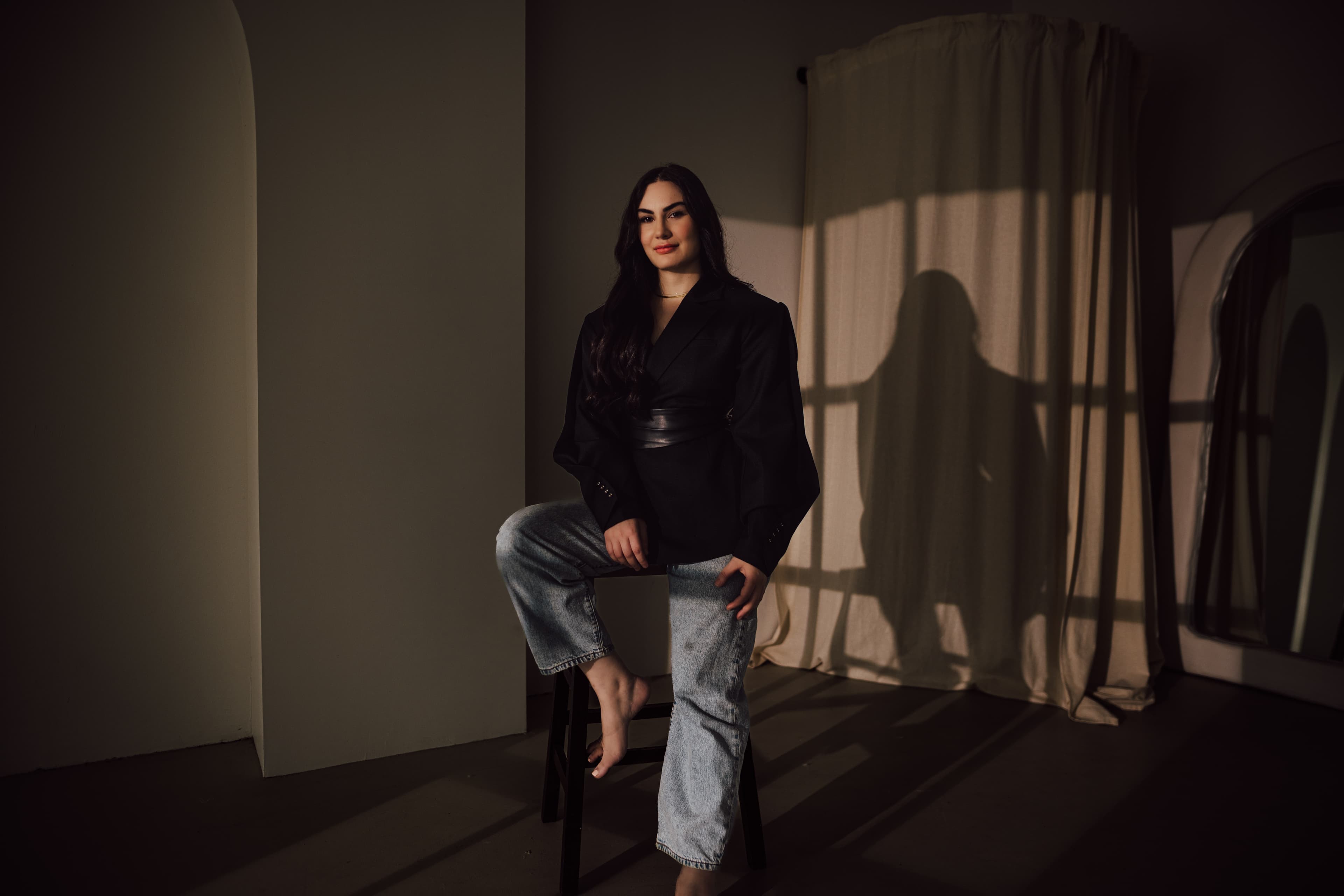

Dr Aya Naj
A personal branding making the clinical personal, and the personal powerful
For Dr Aya, dentistry has never just been about teeth. It’s about the people in the chair, the experience they walk away with, and the impact she can have on young dentists coming up behind her.
We partnered with Aya to shape a personal brand and podcast that feels just as approachable, warm, and future-facing as she is.
From portraits and promo films to a podcast identity that cuts through the noise, our work has been about capturing the human side of clinical expertise. The result is a personal brand that carries weight in the industry while feeling grounded and relatable to patients.


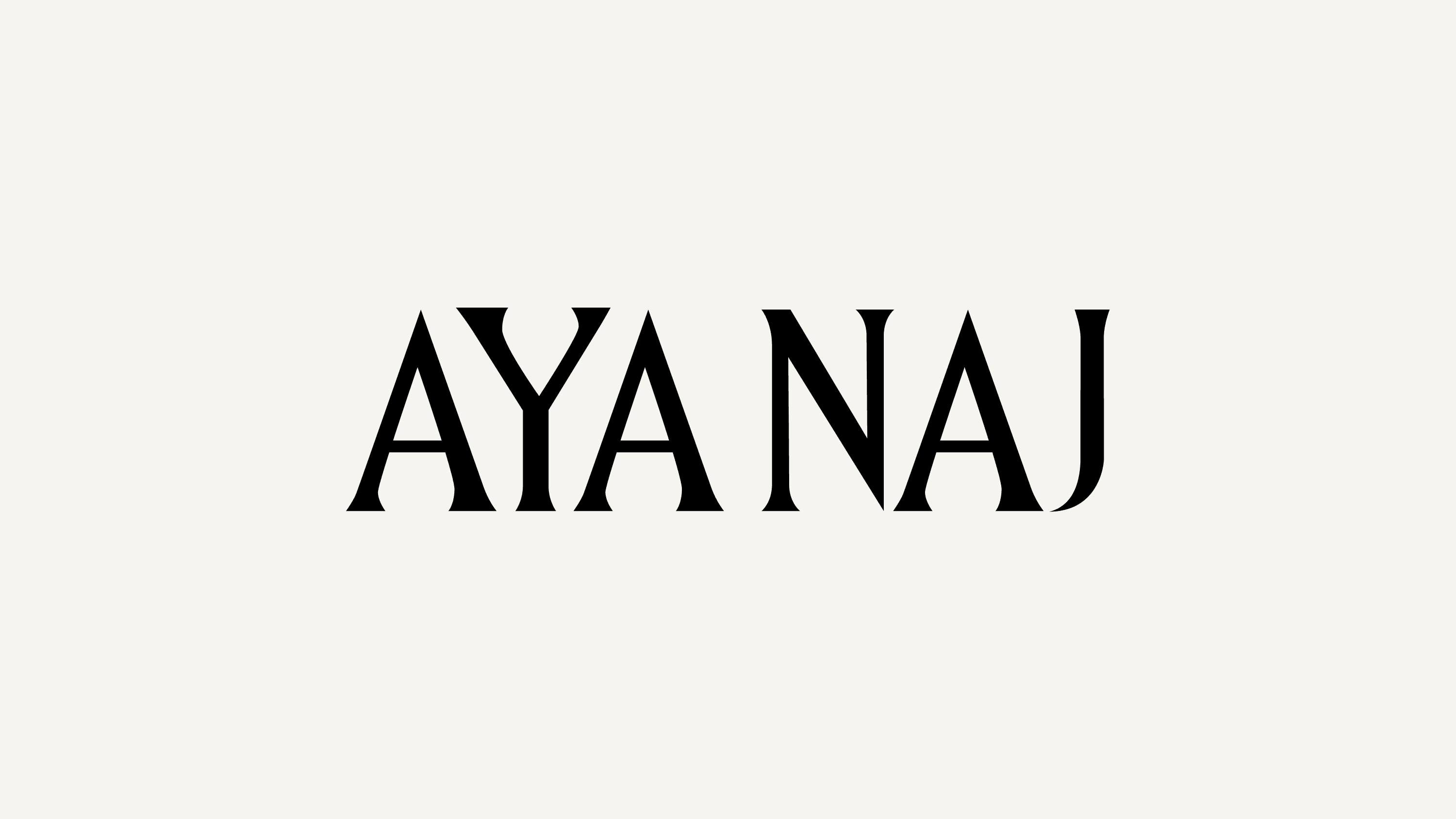
Wordmark
Custom wordmark developed as part of Mude’s personal branding work for Dr Aya Najmaldeen.
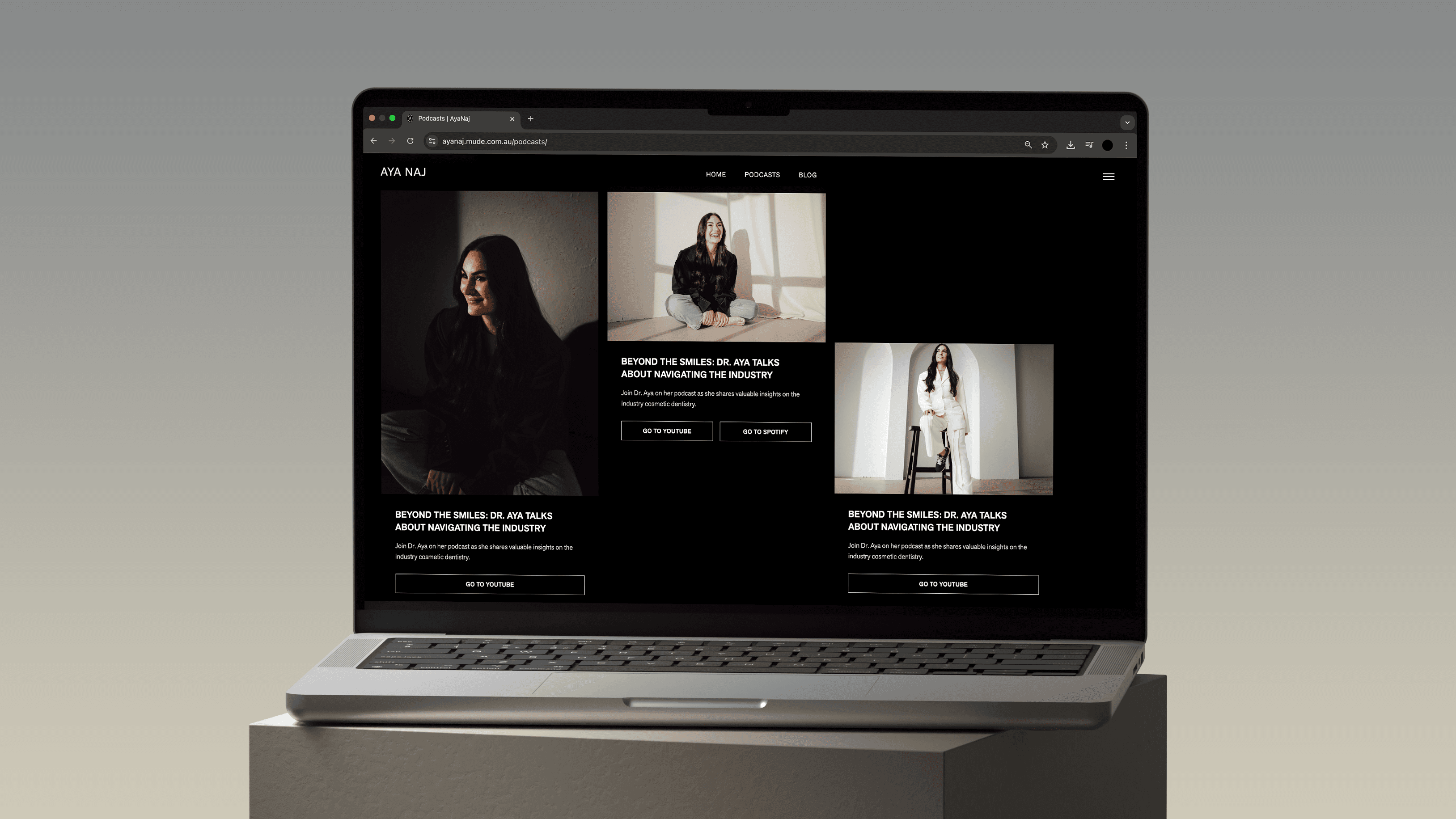
Website
Website design created by Mude for Dr Aya Najmaldeen as part of her personal branding project.
Related Projects
View Project
Video, Campaigns
Department of Health, Disability & Ageing
View Project
Video, Graphic Design
Department of Health, Disability and Ageing
View Project
Brand, Graphic Design
Sun Baby
View Project
Brand, Graphic Design
Australian Medical Council
View Project
Website, Photography
Cosmetic Connection
View Project
Video
Department of Health, Disability and Ageing
View Project
Brand, Website
MagnaTerra Technologies
View Project
Brand, Website
Sunstrata
Frequently Asked Questions
Making the clinical personal
Personal branding is the deliberate work of shaping how an individual is known: their reputation, their expertise, their values, and the way they show up, expressed consistently everywhere people meet them. It is separate from a logo or a polished headshot. A personal brand is the whole impression a person leaves, shaped on purpose.
For a professional, that impression does real work. In fields where people choose a person alongside a service, a clear personal brand builds trust before the first conversation, makes someone recognisable in a crowded space, and opens doors to opportunities like speaking, partnerships and referrals. It also helps the right people find you and understand quickly what you stand for.
Dr Aya Najmaldeen, a cosmetic dentist, is the personal brand Mude built to do exactly that. The work was designed to establish Aya as a credible, leading voice in her field while keeping her warm and approachable to patients, and to give her a platform for mentoring the younger dentists coming up behind her. Built well, a personal brand turns individual reputation into something durable that a whole career can be built on.
Building a personal brand involves far more than a logo. A complete personal brand usually has three layers that work together. The first is strategy: who the brand is for, what it stands for, the story behind it, and what makes that person distinct. The second is identity: the visual system that makes them recognisable, including a wordmark, a colour palette, typography and a consistent look across everything they produce. The third is voice: how they sound in writing and on camera, so the tone holds whether someone reads a caption or hears them speak.
On top of those sit the channels where the brand actually lives, like a website, social content, photography and, increasingly, audio or video.
Dr Aya Najmaldeen’s brand shows the full stack in one place. Mude built Aya a brand strategy, with a defined purpose, vision, mission and values, then a visual identity with a custom wordmark and a refined, considered palette and type system, a documented tone of voice, and the channels to carry it, including a podcast, a website and a body of portrait and film work. Each layer reinforces the others, which stops a personal brand from feeling like a logo bolted onto a stock template.
A personal brand earns trust by showing real expertise, and stays welcoming by never using that expertise to hold people at a distance. The aim is to signal real knowledge and a track record while still sounding like a person someone could talk to, and to be willing to show the human, unpolished parts that distant authority figures usually keep off-screen.
A lot of this lives in the voice. A trusted, approachable brand speaks with authority. It does not chase polished perfection or set itself up as the unreachable expert. It uses the correct professional language without burying people in jargon, and it stays warm without becoming overly casual.
This balance is the heart of Dr Aya Najmaldeen’s brand. As a cosmetic dentist, Aya needed to be taken seriously by patients and peers. The whole point of the work was to make that expertise feel human and warm. Mude built her tone of voice around exactly that: empathetic, warm and honest, speaking as a trusted peer who has done the work and cares about the people in her care. The result is a brand that earns confidence and feels personal in the same breath, which lets the expertise connect.
Thought leadership is the work of becoming a recognised, trusted voice in your field by consistently sharing real insight and a clear point of view that other people find useful. Branding yourself as a thought leader means pairing real expertise with a consistent identity and voice, deciding which topics and ideas you want to be known for, and showing up reliably where your peers and audience pay attention, whether that is writing, speaking, social or a podcast.
The difference between an expert and a thought leader comes down to visibility. A thought leader makes their thinking public and useful to others, so the expertise becomes something people actively seek out.
This is central to what Mude built for Dr Aya Najmaldeen. As a cosmetic dentist, Aya already had the clinical expertise, and her brand was designed to turn that into a leading, relatable voice in dentistry and a source of guidance for the younger dentists coming up behind her. Mude gave her a clear point of view, an honest take on the parts of the profession that usually stay polished and unspoken, and the platforms to carry it, including her podcast. Positioning Aya as someone others learn from turns her knowledge into real influence.
A personal brand and a company brand share the same toolkit. They answer to different things. A company brand represents an organisation that can outlast any single employee, so it leans on institutional trust, consistency and the promise of the business as a whole. A personal brand belongs to one human being, which makes it more personal: people connect with a story, a face, a point of view, and a sense of who that person actually is.
That difference shapes every decision. A personal brand has to feel authentically like the individual, because audiences can tell when it does not, and it has to leave room for that person to grow and change over time. It also travels with them, since the reputation goes wherever the person goes, across roles, ventures and platforms.
Mude built Dr Aya Najmaldeen’s brand as a personal brand in this sense. It is centred on Aya herself, her story, her values and her voice. Mude built it as an honest, ongoing record of her growth as a dentist, mentor and voice in the industry, which is the kind of living, person-first thinking a company brand rarely needs.
Brand strategy comes first, almost always. Strategy is the thinking that sits underneath everything a brand looks like and says: who this person is for, what they stand for, the story that got them here, and what defines their position in the field. The visual identity, the wordmark, the palette, the photography, can only express that position once it exists, so designing the look first risks producing something attractive that does not mean anything, or that points in the wrong direction.
That order matters even more for a personal brand, where everything has to ring true to a real person.
For Dr Aya Najmaldeen, Mude ran the strategy as the first phase of the work, through a series of brand workshops. Together they defined Aya’s purpose, vision, mission and values, mapped who she serves and what she wanted to be known for, and articulated the single space she can own that no one else can claim. Only once that foundation was set did the identity, the tone of voice and the visual world follow. The strategy is the reason the finished brand feels deliberate, because every part of it traces back to a decision about who Aya is.
A podcast needs its own brand identity so it reads as a considered show and stays recognisable wherever it appears. That identity usually includes a name, cover art that still works at thumbnail size since most people find podcasts on a phone, a consistent look for episodes and social clips, and a tone that matches the host. When the podcast belongs to a personal brand, its identity should sit clearly within that wide brand so the two reinforce each other.
The reason to invest in it is simple. A podcast lets an audience spend real time with someone’s voice and thinking, which builds familiarity and trust faster than most formats can.
Mude built a distinct identity for Dr Aya Najmaldeen’s podcast as part of her personal brand system, so the show feels like a natural extension of Aya. It was given a clear purpose alongside the look: candid conversations with other clinicians about the real challenges of the profession, and a way to mentor and build community among younger dentists. A podcast branded this way does more than look consistent. It gives people a reason to keep listening, which turns a show into part of the brand.