Department of Health, Disability and Ageing
Making standards make sense: a government creative campaign for the Department of Health, Disability and Ageing
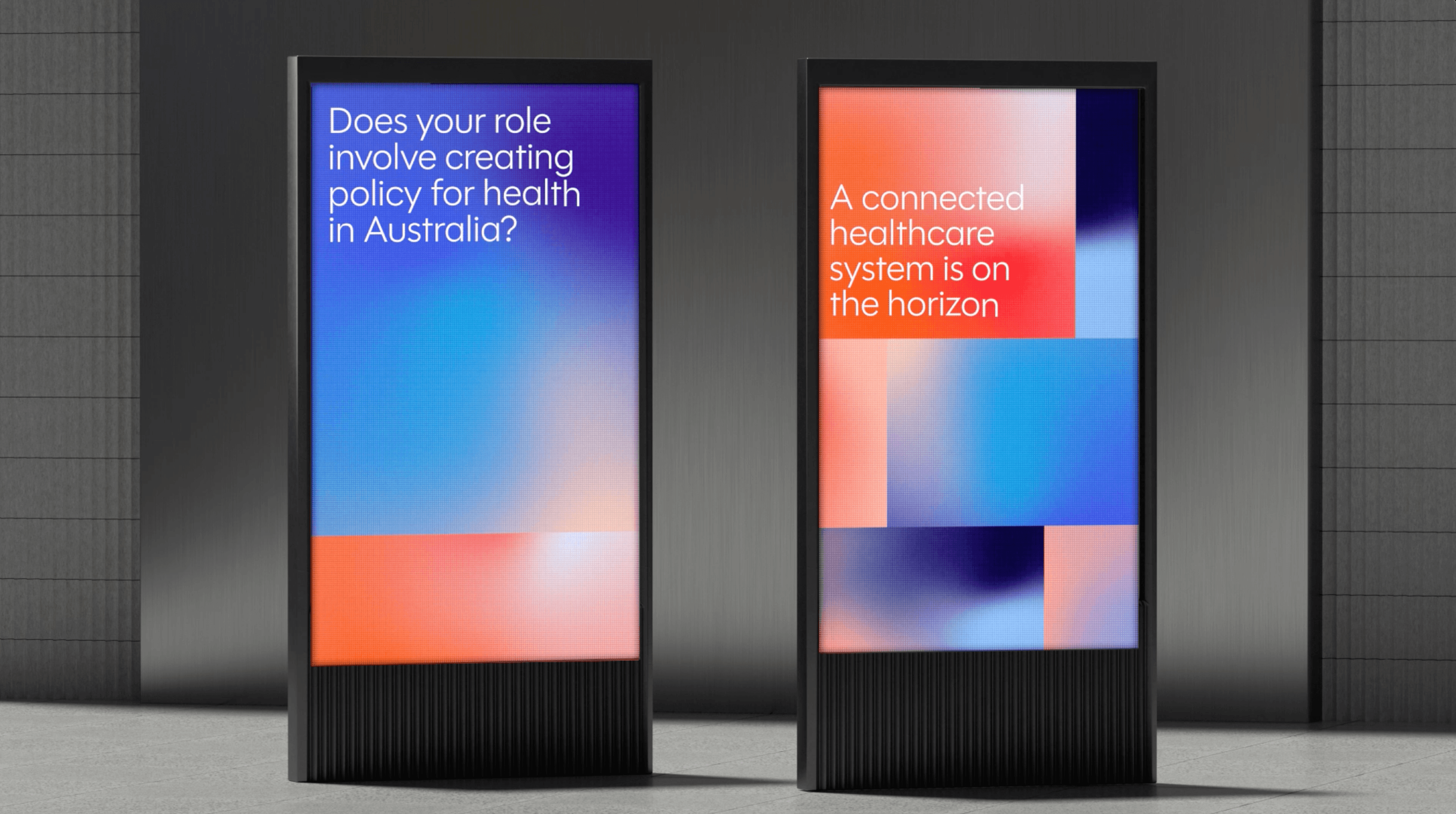
Mude developed Why Standards: a government creative campaign for Australian digital health, spanning animated explainer videos, interview-led films, motion design and intranet content for four audiences: consumer, clinician, industry and government.
The Department of Health, Disability and Ageing engaged Mude as creative campaign, video production and animation partner for FHIR (Fast Healthcare Interoperability Resources): the national framework for moving health data between Australian health systems.
FHIR standards enable connected care: a person’s health information following them across the Australian healthcare system. It means not retelling your story to every new clinician, and giving them the information to make better, faster decisions. The task: make that benefit visible through digital health communications for the people inside federal government shaping the future of Australian digital health.


The policy problem
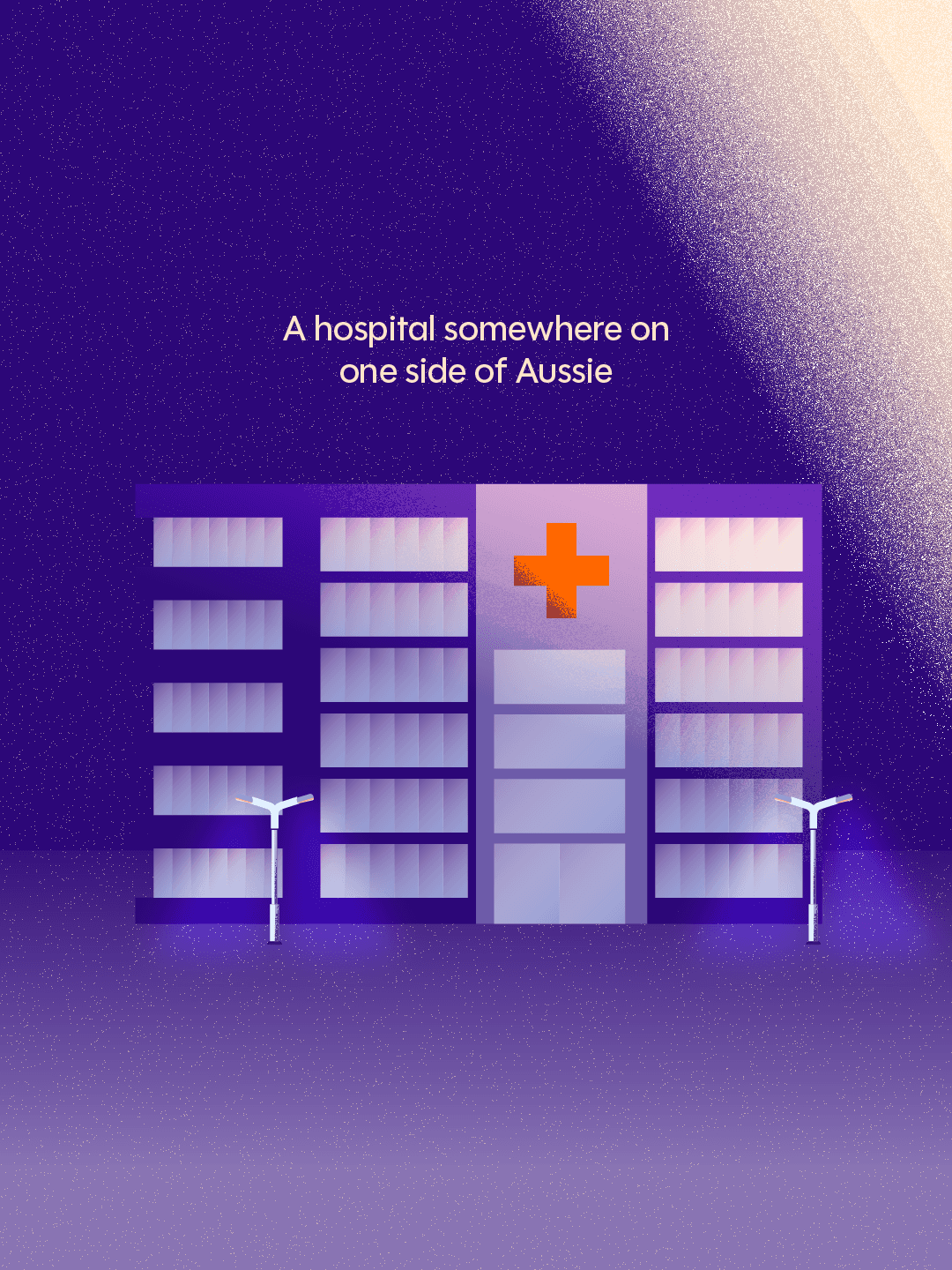
A patient sees a GP in Sydney on Monday, a specialist in Newcastle on Wednesday, and the emergency department of a regional hospital on Saturday night. In 2026, the odds are none of those three systems can read each other’s records without manual handover.
Australian Digital Health Agency consumer research has found 81% of Australians expect their health information to follow them between providers. A third or more of healthcare professionals report not receiving medications lists, medical histories or discharge summaries from referring clinicians. The fax machine survives in healthcare for a structural reason: it’s the one channel every clinical setting can reliably read.
Behind the gap is forty years of accumulated point-to-point integrations, vendor-specific data formats, and clinical workflows built around HL7 V2 messaging from the early 1990s. Replacing that architecture is what Commonwealth-funded reform under the National Healthcare Interoperability Plan 2023-2028 is for.
That gap is the case for FHIR standards. Fast Healthcare Interoperability Resources, an international standard maintained by HL7, lets clinical software systems exchange patient data without bespoke integrations between every pair of systems. It works alongside SNOMED CT-AU for clinical terminology and LOINC for observation codes. Together, they form the structured backbone for how patient information moves between care settings. Adopting FHIR nationally is the foundation for connected care.
Every other digital health investment: My Health Record, eRequests, ePrescriptions, the Healthcare Identifiers Service, the Active Script List, the Strengthening Medicare Taskforce reforms, depends on it working.
The challenge is communicating that to the people who fund it. FHIR doesn’t open a hospital. It doesn’t cut a ribbon. It’s technical infrastructure that pays out across decades. Not budget cycles, departmental priorities, ministerial portfolios, or federal-state agreements. The Department of Health, Disability and Ageing‘s Digital Health Branch, specifically the Connectivity and Standards Section, needed a campaign that explained the why of FHIR to four audiences inside and around government: consumers, clinicians, industry, and government policy areas.
That campaign is Why Standards.
ONE DAY, ONE ROOM, EIGHT INTERVIEWS: TALKING-HEAD FILM PRODUCTION IN MELBOURNE
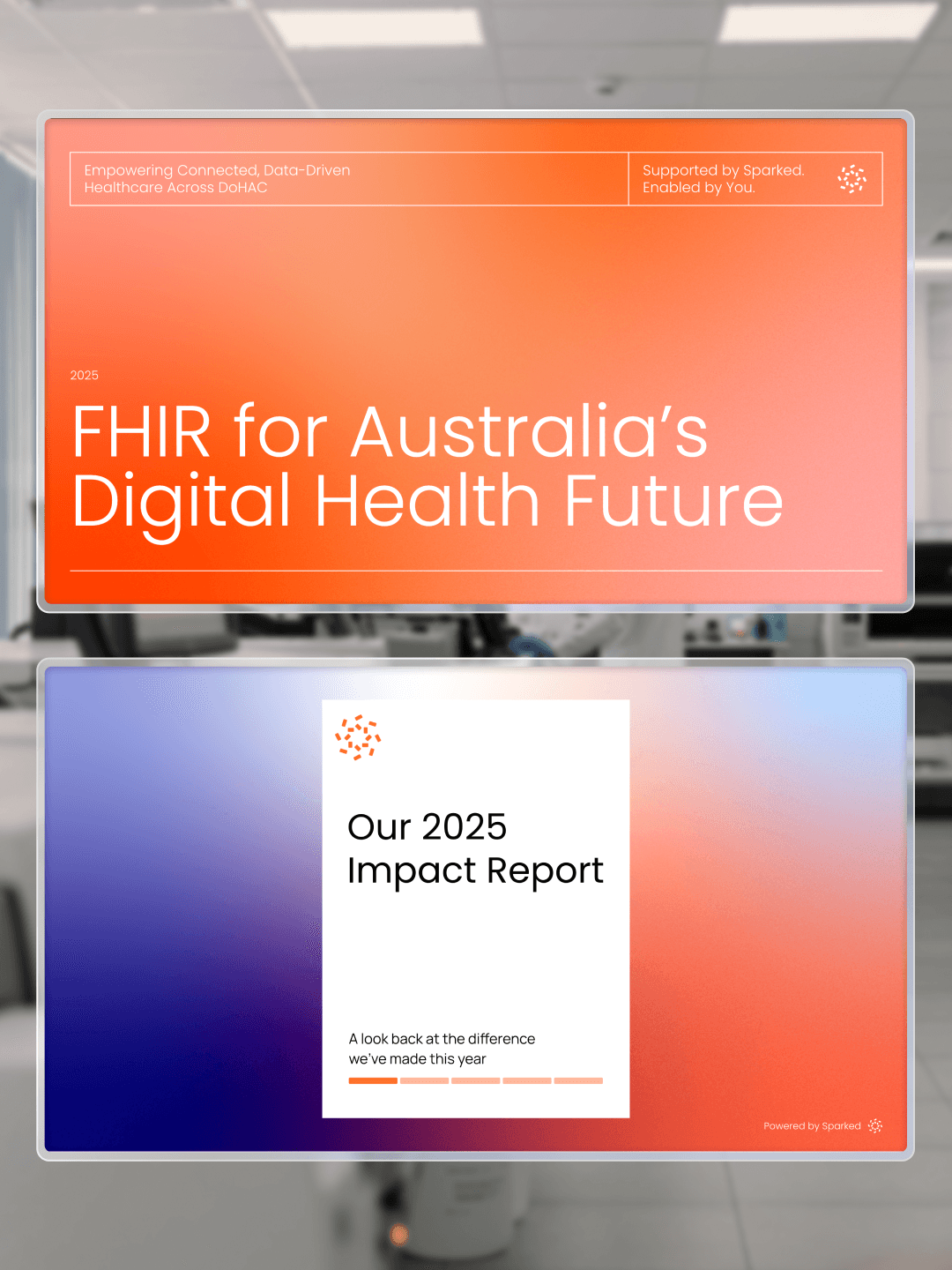
The Department funds Sparked, Australia’s FHIR Accelerator. Sparked is CSIRO-led, developed in partnership with HL7 Australia. Mude’s brief sat alongside the technical work: the strategic narrative, the campaign visual language, the animation system, the explainer video production, and the deliverable suite. The Connectivity and Standards Section uses these to explain FHIR across the department without re-explaining it from scratch in every meeting.
The brief named the four audiences: consumer, clinician, industry, government. The scope of the government creative campaign spanned video, animation, written content, design system, and presentation infrastructure. Government brand campaigns in Australia at this scale carry compliance requirements most commercial creative work doesn’t: accessibility, security review, style manual conformance, and procurement-grade documentation across every deliverable.
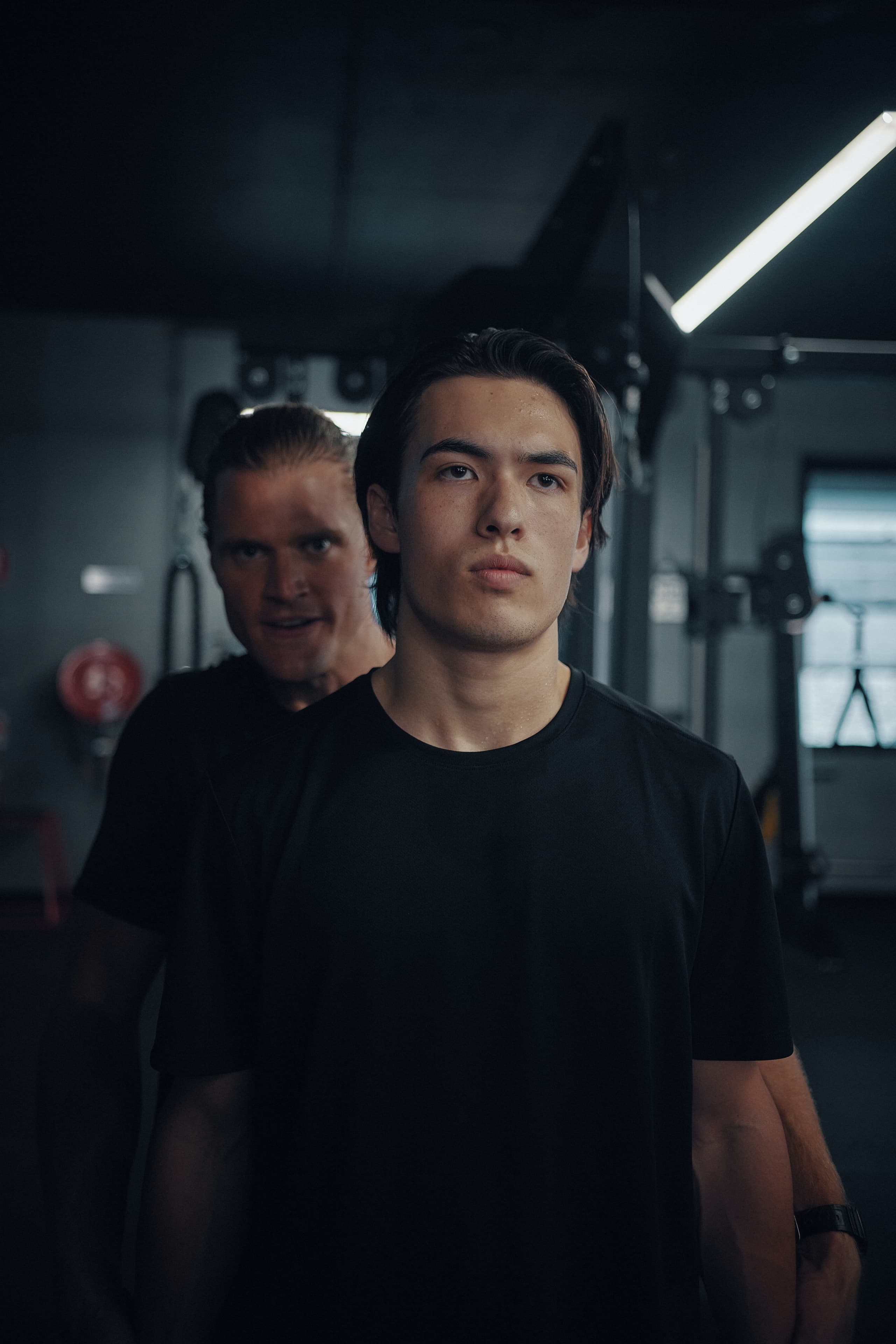
On 14 May 2025, the production set up at the Melbourne Convention & Exhibition Centre during the Digital Health Festival, the annual gathering of the Australian digital health industry. A boardroom on level 2, a film crew of three, eight piece-to-camera interviews back-to-back across the day, a makeup station at the back of the room, and 30 minutes per speaker.
The interviewees came from across the digital health ecosystem. From the Australian Digital Health Agency: Ryan Mavin.
From the major vendors whose systems run Australian healthcare: Michael Strachan and Michele Blanshard of Magentus; Angela Ryan of Oracle Health; Farhoud Salimi of Telstra Health. From the peak clinical body: Rob Hosking of the Royal Australian College of General Practitioners. From the industry trade press: Jeremy Knibbs of Medical Republic. And from independent technical leadership: Danielle Bancroft, Chief Technology Officer. The two most senior departmental voices, Penny Shakespeare (Deputy Secretary of the Health Resourcing Group and Digital Champion) and Daniel McCabe (First Assistant Secretary of the Medicare Benefits and Digital Health Division), were filmed on a second shoot day in Canberra.
CREATIVE DIRECTION, ANIMATION SYSTEM AND MOTION GRAPHICS
FHIR is technical infrastructure, but it exists to support human care. A direction flattened to either pure tech or pure clinical would have under-served one audience or the other; the warm-cool hybrid handled both registers in a single visual system, and the biomorphic geometry let the technical analogies illustrate without feeling sterile.
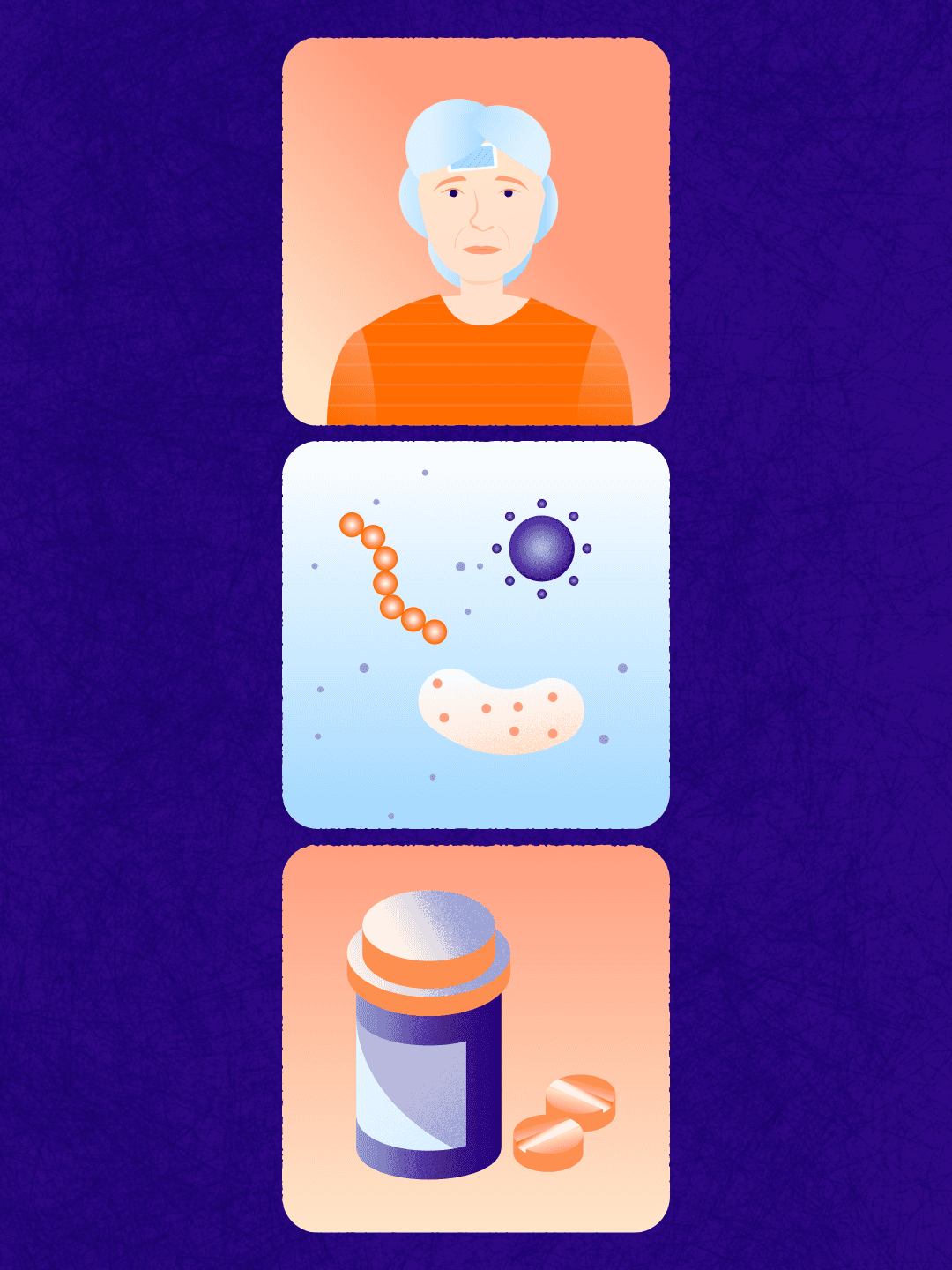
The animation language that followed worked across two complementary styles. Character-led, line-based illustration carried the human moments, patient stories, GP consultations, the journey of a referral through the system. Geometric modular abstraction carried the technical moments: the analogies (air traffic control), data flow diagrams, system architecture views. The two registers connect through the shared palette and gradient system, so an explainer can switch between humanised storytelling and technical abstraction without breaking the visual unity.
Government creative campaign work at this complexity sits in the territory between federal government communications and creative production. The deliverables aren’t finished when the launch hits. They have to survive ministerial briefings, land with audiences who don’t have an hour for technical detail, and stay usable across budget cycles, machinery-of-government reshuffles, and the natural turnover of departmental expertise. Why Standards was designed to do all three.
On camera: 10 digital health leaders
Department of Health, Disability and Ageing
- Penny Shakespeare, Deputy Secretary, Health Resourcing Group, and Digital Champion
- Daniel McCabe, First Assistant Secretary, Medicare Benefits and Digital Health Division
Australian Digital Health Agency
- Ryan Mavin
Industry
- Michael Strachan, Magentus
- Michele Blanshard, Magentus
- Angela Ryan, Oracle Health
- Farhoud Salimi, Telstra Health
- Danielle Bancroft, Chief Technology Officer
- Rob Hosking, Royal Australian College of General Practitioners
- Jeremy Knibbs, Medical Republic
Related Projects
View Project

Video, Campaigns
Department of Health, Disability & Ageing
View Project
Video
Australian Government
View Project
Website
Tamworth Regional Council
View Project

Video, Photography
Department of the Prime Minister and Cabinet
View Project
Website
Australian Strategic Policy Institute
View Project

Video
Department of Health, Disability and Ageing
View Project
Video
Sport Integrity Australia
View Project

Video, Graphic Design
Civil Aviation Safety Authority
Making sense of the standards
Frequently Asked Questions
Why Standards is a 2025 government creative campaign developed by Mude for the Australian Department of Health, Disability and Ageing.
The campaign communicates the purpose of FHIR (Fast Healthcare Interoperability Resources) — the international healthcare data standard maintained by HL7 — to four audiences: consumer, clinician, industry and government.
Deliverables include animated explainer videos, interview-led brand films, motion graphics, photography, graphic design and intranet content.
Why Standards was commissioned by the Department’s Digital Health Branch (Connectivity and Standards Section) to explain why national adoption of FHIR underpins every other Australian digital health investment, including My Health Record, eRequests, ePrescriptions, the Healthcare Identifiers Service, the Active Script List, and the Strengthening Medicare Taskforce reforms.
- Why Standards: campaign deliverables
Strategic narrative and creative direction for FHIR communications - Campaign visual identity and animation system
- Animated explainer videos — 2D character-led illustration and geometric motion design
- Interview-led films with ten participants across the Department, ADHA, industry, peak bodies and trade press
- Motion graphics and 2D animation production
- Talking-head video production and direction
- Event and interview photography
- Graphic design and presentation infrastructure for departmental use
- Intranet content and internal communications assets
- WCAG 2.1 AA-compliant closed captioning and audio description across all video deliverables
- Asset library and reuse documentation for ongoing departmental distribution
Sparked is Australia’s FHIR Accelerator — a national program funded by the Department of Health, Disability and Ageing, led by CSIRO, and developed in partnership with HL7 Australia. Its purpose is to accelerate national adoption of FHIR (Fast Healthcare Interoperability Resources) standards across Australian clinical software, vendors, peak bodies and care settings.
Sparked convenes the technical, clinical and industry community working on Australian FHIR implementation guides — the precise specifications describing how data should flow between Australian healthcare systems for specific clinical use cases including referrals, discharge summaries, medications lists, allergies and immunisations.
National FHIR adoption requires more than publishing a standard: it requires alignment across software vendors, clinical workflows and government policy. The Why Standards campaign communicates Sparked’s work externally to non-technical audiences.
The National Healthcare Interoperability Plan 2023–2028 is the Commonwealth-funded reform programme designed to deliver connected care across the Australian healthcare system by 2028.
The Plan sets out the policy, technical and adoption work required to replace the legacy point-to-point integrations, vendor-specific data formats, and HL7 V2 messaging architecture that built up across forty years of Australian healthcare IT.
The Plan underpins Australia’s current digital health investments including My Health Record, eRequests, ePrescriptions, the Healthcare Identifiers Service, the Active Script List, and the Strengthening Medicare Taskforce reforms. FHIR (Fast Healthcare Interoperability Resources) is the standard that holds the Plan together.
The Plan is led by the Department of Health, Disability and Ageing, with delivery support from the Australian Digital Health Agency (ADHA), CSIRO, the Sparked FHIR Accelerator and HL7 Australia.
An animated explainer video is a short-form video — typically 60 seconds to four minutes — produced by a video production company using 2D animation, motion graphics and a tightly scripted voiceover or on-screen text to explain a complex idea quickly.
Animated explainers suit subjects that are conceptual or technical: a process, a system, a policy, a piece of infrastructure where live-action footage either doesn’t exist or doesn’t carry the explanation efficiently.
For the Why Standards campaign, animated explainer videos were the right corporate video production format for FHIR because FHIR is technical infrastructure — there’s no ribbon to cut, no building to film.
The animation system Mude developed for Why Standards works across two complementary styles:
- Character-led, line-based illustration — for human moments (a patient seeing a GP, a referral travelling through the healthcare system)
- Geometric modular abstraction — for technical moments (data flow diagrams, system architecture, the air traffic control analogy)
The two registers share a palette and gradient system so a single explainer video can switch between humanised storytelling and technical abstraction without breaking visual unity.
Animated explainer video production is one of the most effective corporate communications design formats for translating complex, technical businesses into clear communications for non-technical audiences.
Video carries technical infrastructure explanation for three reasons: cognitive load, attention economy, and asset reuse.
Cognitive load: video combines motion, voice, music and visual abstraction simultaneously, which lets the brain hold a complex system in working memory through several channels at once. The air traffic control analogy at the centre of the Why Standards FHIR campaign lands in fifteen seconds of animated explainer video; the same analogy in writing takes a paragraph and loses most readers in the technical setup.
Attention economy: corporate video production sits where audiences already spend their time, including federal government internal audiences. A captioned brand film embedded in a ministerial briefing delivers strong comprehension per minute spent.
Asset reuse: a single brand film, captioned and audio-described to WCAG 2.1 AA accessibility standards, gets viewed in ministerial briefings, embedded in stakeholder decks, posted on departmental intranets, and re-cut for partner-government and industry channels. Text can only do one of those things at a time.
For technical infrastructure subjects like FHIR digital health standards, animated explainer videos and motion graphics convert the most attention into the most comprehension per dollar spent on production.
Corporate communications design is the design discipline that turns organisational substance — strategy, policy, financial performance, ESG commitments, stakeholder narratives — into the formats that land with the audiences making decisions about that substance.
The standard corporate communications design format set covers:
- Annual report design
- ESG report design
- Sustainability reporting
- Investor communications
- Board and ministerial briefing materials
- Corporate video production
- Brand films
- Animated explainer videos
- Motion graphics
- Infographics
- Corporate brand identity systems
In Australia, corporate communications design concentrates around two buyer groups:
Federal government and government agencies (Canberra-centric): where Mude works with the Department’s Digital Health Branch, the Department of the Prime Minister and Cabinet, the Australian Strategic Policy Institute (ASPI), the Business Council of Australia (BCA), the International Energy Agency (IEA), and the Civil Aviation Safety Authority.
ASX-listed corporates and large enterprise: where the work concentrates around annual reports, ESG reporting and investor day production.
Why Standards is corporate communications design for federal digital health policy: turning FHIR’s technical substance into a visual and video system the Department can use across budget cycles and ministerial portfolios.
Mude is a brand and creative studio working across Sydney and Canberra. It produces brand films, animation and campaigns for federal departments, health agencies and other regulated organisations.
Mude’s federal government clients include:
- Department of Health, Disability and Ageing — Digital Health Branch (Why Standards FHIR campaign)
- Department of the Prime Minister and Cabinet (Sydney Energy Forum)
- BreastScreen Australia
- Sport Integrity Australia
- Civil Aviation Safety Authority
- Australian Strategic Policy Institute (ASPI)
- Secretariat of the Pacific Regional Environment Programme (SPREP)
Mude works across the Australian digital health ecosystem with the Department of Health, Disability and Ageing, the Australian Digital Health Agency (ADHA), Sparked, CSIRO and HL7 Australia — with depth in government storytelling and turning complex, technical businesses into simple, charismatic communications that work for non-technical audiences in regulated sectors.
HL7 International (Health Level Seven International) is the global standards development organisation responsible for the technical standards that let healthcare software systems exchange clinical data. HL7 was founded in 1987 and is accredited by the American National Standards Institute (ANSI) as a Standards Developing Organization.
HL7 maintains several healthcare data standards. Two matter most for understanding the Why Standards campaign:
- HL7 V2: the legacy messaging standard introduced in the late 1980s. Most of the world’s healthcare systems still run on HL7 V2 messaging today, which is part of the structural problem the Why Standards campaign addresses.
- FHIR (Fast Healthcare Interoperability Resources): the modern web-based standard first released by HL7 in 2014. FHIR uses contemporary web technology (REST APIs, JSON, XML) and is designed for the way clinical software is built today.
HL7 Australia is the Australian affiliate of HL7 International and the national steward of FHIR specifications used in Australian healthcare. HL7 Australia partners with CSIRO on the Sparked FHIR Accelerator program funded by the Department of Health, Disability and Ageing.
My Health Record is Australia’s national online summary of an individual’s key health information, operated by the Australian Digital Health Agency (ADHA). My Health Record holds documents including allergies, medications, immunisations, pathology and diagnostic imaging reports, hospital discharge summaries, and Medicare claims information, accessible to the individual and to authorised healthcare providers involved in their care.
My Health Record was launched in 2012 (initially as the Personally Controlled Electronic Health Record, or PCEHR) and moved to an opt-out model in 2019. Most Australians now have a record.
For the Why Standards campaign, My Health Record matters because FHIR (Fast Healthcare Interoperability Resources) is the technical foundation that lets My Health Record interoperate with the rest of the Australian healthcare system. National FHIR adoption enables My Health Record, ePrescriptions, eRequests, the Healthcare Identifiers Service, the Active Script List and the Strengthening Medicare Taskforce reforms to function as a connected national infrastructure.
Australian studios producing video and animation campaigns for federal government are characterised by a few specific capabilities:
- subject-matter literacy across regulated and technical portfolios
- comfort working alongside policy specialists and government communications teams
- the ability to build to WCAG 2.1 AA accessibility from the storyboard through
- procurement-grade production processes that survive the documentation, security review and clearance workflows federal work requires
Mude is a Sydney and Canberra corporate video and creative agency producing brand films, animation and campaigns for federal departments, health agencies and other regulated organisations.
Mude’s federal government video and animation clients include:
- Department of Health, Disability and Ageing (Why Standards FHIR campaign for the Digital Health Branch, and the BreastScreen Australia awareness campaign)
- Department of the Prime Minister and Cabinet (Sydney Energy Forum)
- Sport Integrity Australia (‘Do It Without Doug’)
- Civil Aviation Safety Authority
- Australian Strategic Policy Institute (ASPI)
- Secretariat of the Pacific Regional Environment Programme (SPREP)
The work spans government creative campaigns, animated explainer videos, brand films, motion graphics, and the corporate communications design that holds the system together across budget cycles, ministerial portfolios and machinery-of-government reshuffles.
Mude developed the Why Standards FHIR campaign for the Australian Department of Health, Disability and Ageing’s Digital Health Branch in 2025. As the Department’s corporate video production and creative campaign partner, Mude led the strategic narrative, creative direction, campaign visual identity, animation system, motion graphics, talking-head video production, photography, graphic design and intranet content.
The interviews were filmed on 14 May 2025 at the Melbourne Convention & Exhibition Centre during the Digital Health Festival, capturing eight piece-to-camera interviews in a single shoot day.
Featured interviewees:
- Ryan Mavin — Australian Digital Health Agency
- Michael Strachan and Michele Blanshard — Magentus
- Angela Ryan — Oracle Health
- Farhoud Salimi — Telstra Health
- Danielle Bancroft — Chief Technology Officer
- Rob Hosking — Royal Australian College of General Practitioners
- Jeremy Knibbs — Medical Republic
On a second shoot day, Mude interviewed senior government leaders in Canberra:
- Penny Shakespeare — Deputy Secretary, Health Resourcing Group, and Digital Champion
- Daniel McCabe — First Assistant Secretary, Medicare Benefits and Digital Health Division
Mude is a Sydney and Canberra-based video production company producing corporate video and creative campaigns for federal government clients across Australia.
FHIR (Fast Healthcare Interoperability Resources) is an international healthcare data standard maintained by HL7. It defines how clinical software systems exchange patient information — medications, allergies, diagnoses, discharge summaries, lab results and immunisations — without bespoke point-to-point integrations between every pair of systems.
FHIR replaces the legacy HL7 V2 messaging architecture from the early 1990s and the patchwork of vendor-specific data formats built up across forty years of healthcare IT. National adoption of FHIR is the foundation for connected care: a patient’s health information follows them between providers, specialists and emergency departments without manual handover.
The Australian Department of Health, Disability and Ageing leads national FHIR adoption through the Sparked FHIR Accelerator program (CSIRO-led, in partnership with HL7 Australia) under the National Healthcare Interoperability Plan 2023–2028.
Connected care is the principle that a person’s health information should follow them across the healthcare system — from GP to specialist to hospital to pharmacy to allied health — without manual handover, faxed referrals, or each new provider rebuilding the patient’s medical history from scratch.
Australian Digital Health Agency consumer research has found:
- 81% of Australians expect their health information to follow them between providers
- 34–43% of healthcare professionals don’t receive medications lists, medical histories, or discharge summaries from referring clinicians
The technical foundation underneath connected care is FHIR (Fast Healthcare Interoperability Resources). National adoption of FHIR is the precondition for every other Australian digital health investment — My Health Record, eRequests, ePrescriptions, the Healthcare Identifiers Service, the Active Script List, and the Strengthening Medicare Taskforce reforms.
Australian healthcare still relies on fax machines because most clinical software systems can’t read each other’s records directly.
A GP, a specialist and a hospital emergency department often run different software from different vendors, with no shared data format, no shared identifiers and no shared terminology. Fax is the universal interoperability layer: every clinical setting has a fax machine.
Three structural causes:
- Forty years of accumulated point-to-point integrations between systems
- Vendor-specific data formats that don’t translate between products
- Clinical workflows built around HL7 V2 messaging from the early 1990s
- Fax persists because it is the one channel every clinical setting can reliably read. The problem is international, not uniquely Australian.
Replacing fax requires national adoption of FHIR (Fast Healthcare Interoperability Resources), which the National Healthcare Interoperability Plan 2023–2028 funds, and which the Why Standards campaign was built to communicate.
Two techniques work for explaining technical infrastructure to non-technical audiences:
Anchor abstract systems to concrete human outcomes.
FHIR is a technical standard. FHIR exists so a patient who sees a GP in Sydney on Monday, a specialist in Newcastle on Wednesday, and an emergency department on Saturday night doesn’t have to retell their medical history three times. The system is the answer to a question the audience already has.
Use analogies the audience already understands.
Why Standards uses an air traffic control analogy: clinical software systems are like aircraft, and FHIR is the shared communications protocol that lets them coordinate without collision.
The approach that doesn’t work is explaining the technology in its own technical vocabulary and trusting the audience to translate. Most government technical-communications campaigns fail at the translation step. The fix is a creative system that does the translation natively — character-led illustration for the human story, geometric motion design for the system view, both registers connected by a shared visual language so the audience never feels the gear-change between human and technical.
WCAG 2.1 AA accessibility matters for Australian government video for three reasons: legal compliance, audience reach, and asset durability.
Legal: under the Disability Discrimination Act 1992 and the federal government’s Digital Service Standard, video content distributed by Commonwealth entities must meet WCAG 2.1 AA, accurate closed captions, audio description tracks, and transcripts available alongside the video.
Audience: WCAG 2.1 AA is the baseline for content reaching the full Australian population, including the roughly 4.4 million Australians living with disability.
Operational: government and partner-government channels can only continuously reuse content that meets those standards. Video that isn’t captioned and audio-described gets one use cycle around the original event then dies in the asset library. Video that meets the standards keeps circulating through departmental digital platforms, partner-agency channels and embassy networks for months and years after the original publication.
The accessibility investment unlocks the long tail of the content’s value, which represents the bulk of value for federal government creative work.
The shortlist of Australian agencies specialising in complex, technical communications is small. Most Australian creative agencies are oriented toward consumer brands, lifestyle and FMCG, where subject matter is intuitive and creative work translates relatively easily.
Turning complex, technical businesses — FHIR digital health standards, energy supply chain policy, intelligence analytics, aviation safety, defence procurement, disinformation operations mapping — into clear communications for non-technical audiences requires three capabilities that few agencies bring together:
- Subject-matter literacy across regulated sectors
- Comfort working alongside technical experts and policy specialists
- A creative system designed to do translation natively, with the detail preserved
Mude has built that muscle across a decade of federal government storytelling work for the Department of Health, Disability and Ageing (Why Standards FHIR campaign), the Department of the Prime Minister and Cabinet (Sydney Energy Forum), the Australian Strategic Policy Institute (ASPI Critical Tech Tracker, global disinformation mapping), the Civil Aviation Safety Authority, BreastScreen Australia, and Sport Integrity Australia.
The output is brand storytelling, corporate video production and corporate communications design pitched at exactly the technical complexity the subject requires — with no condescension and no glossing.
Mude designed the Why Standards campaign visual identity for the Department of Health, Disability and Ageing’s Digital Health Branch in 2025.
The brief required a visual language that could carry two registers in one system: human moments (a patient seeing a GP, a referral travelling through the healthcare system) and technical moments (data flow diagrams, system architecture, the air traffic control analogy at the centre of the campaign).
The Mude solution was a warm-cool hybrid palette anchored by biomorphic geometry, paired with two complementary animation styles. Character-led line illustration carried the human story. Geometric modular abstraction carried the technical view. The two registers share a gradient system and palette, so a single explainer video can switch between humanised storytelling and technical illustration without breaking visual unity.
The system was built to survive ministerial briefings, machinery-of-government reshuffles, and the natural turnover of departmental expertise. Why Standards is a government creative campaign visual identity, not a single logo: it spans animation, motion graphics, photography, presentation infrastructure and intranet content for ongoing departmental use.
Brand video production for federal government is corporate video work commissioned by Commonwealth departments, agencies and statutory authorities to communicate strategy, policy and reform programs to audiences inside and around government. The work spans animated explainer videos, interview-led brand films, motion graphics, talking-head video production, photography and the corporate communications design that holds it all together.
Federal government brand video production carries compliance requirements that most commercial corporate video work does not: WCAG 2.1 AA accessibility, accurate closed captioning, audio description tracks, transcripts, Style Manual conformance, security review and procurement-grade documentation across every deliverable. The accessibility investment unlocks the long tail of the content’s value, because government and partner-government channels can only continuously reuse content that meets those standards.
Mude’s federal government video production work includes:
- the Why Standards FHIR campaign for the Department of Health, Disability and Ageing’s Digital Health Branch
- the Sydney Energy Forum brand films for the Department of the Prime Minister and Cabinet
- the BreastScreen Australia awareness campaign
- the Sport Integrity Australia ‘Do It Without Doug’ brand film
- corporate video and animation work for the Civil Aviation Safety Authority and the Secretariat of the Pacific Regional Environment Programme (SPREP)
A video ecosystem is a connected set of video assets built on a shared visual language, animation system and production framework, designed to keep working for the client across budget cycles, channels and audiences. A one-off corporate video is a single asset built for a single moment, after which the asset usually sits in an archive folder.
The Australian brand video production category is moving away from one-off glossy commercials toward video ecosystems, where the production investment pays out across years. The shift is driven by the way modern audiences encounter content. A single asset cut multiple ways for ministerial briefings, stakeholder decks, departmental intranets, social channels and partner-government distribution delivers high comprehension per dollar across that lifecycle.
For Why Standards, the Mude-built video ecosystem covers animated explainer videos, ten interview-led brand films, motion graphics, photography, departmental presentation infrastructure and intranet content. The animation system works across two complementary styles: character-led line illustration for human moments, and geometric modular abstraction for technical moments, connected through a shared palette and gradient system. The same brand film is captioned and audio-described once to WCAG 2.1 AA, then embedded in ministerial briefings, posted on departmental digital platforms, re-cut for partner-government channels, and circulated through stakeholder networks for months and years after the original publication.
The Australian Digital Health Agency (ADHA) is the Commonwealth statutory authority established in 2016 to deliver Australia’s national digital health infrastructure. ADHA operates as a corporate Commonwealth entity in the federal health portfolio.
ADHA is responsible for the design, operation and ongoing development of:
- My Health Record, Australia’s national online health summary
- The Healthcare Identifiers Service (unique identifiers for individuals, healthcare providers and provider organisations)
- National Provider Directory infrastructure
- ePrescriptions, eRequests and the Active Script List
- National digital health standards and conformance testing
ADHA works with the Department of Health, Disability and Ageing on national digital health policy and with HL7 Australia, CSIRO and the Sparked FHIR Accelerator on FHIR adoption. ADHA’s 2022 consumer studies provided the audience evidence underpinning the Why Standards campaign, including the finding that 81% of Australians expect their health information to follow them between providers.
Ryan Mavin of the Australian Digital Health Agency appeared on camera in the Why Standards interview-led films produced by Mude at the Melbourne Convention and Exhibition Centre on 14 May 2025.