Love at first site. And every login thereafter.
Web and app development for the brands that get sized up in seconds, and judged every day after.
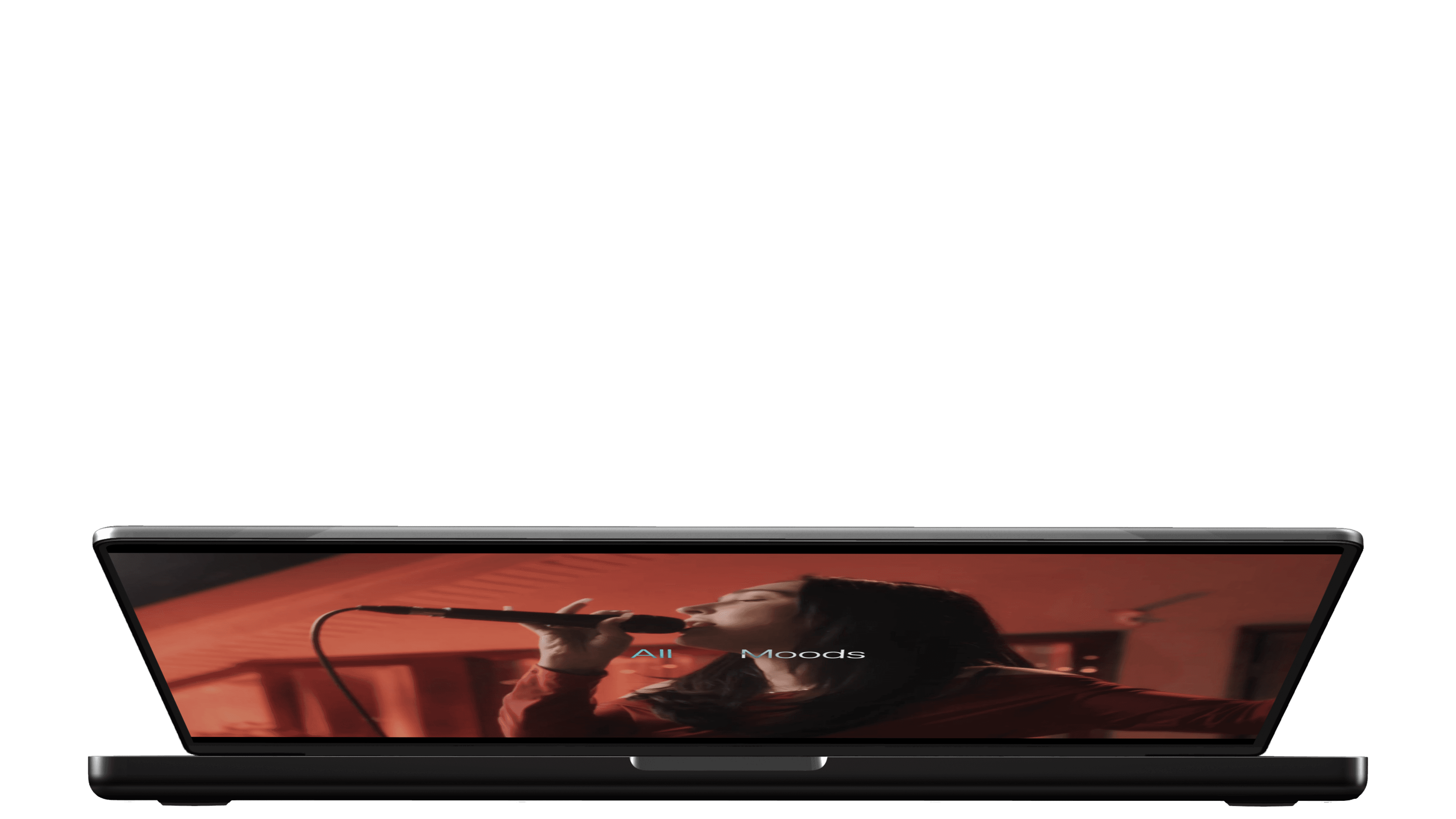
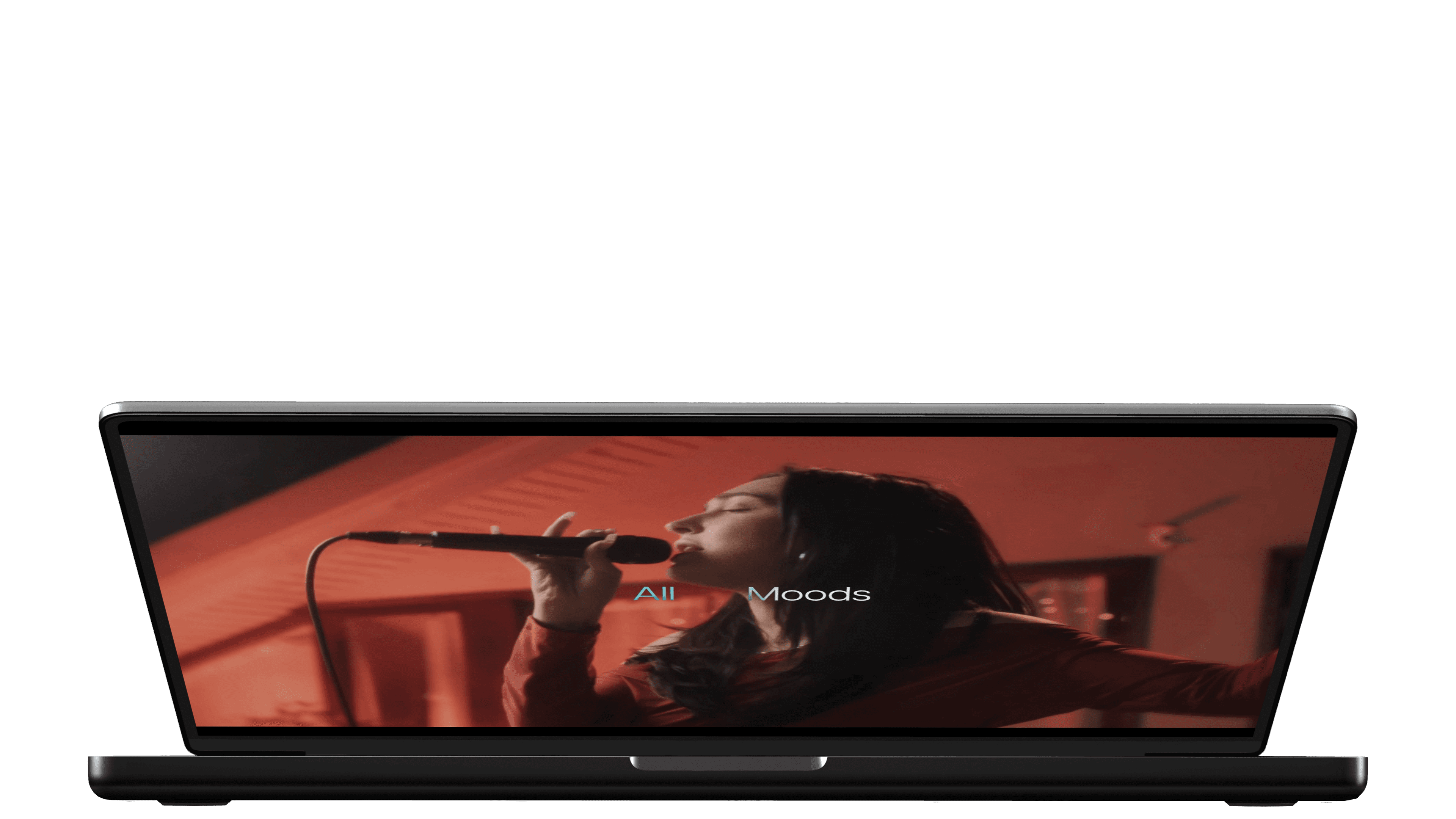
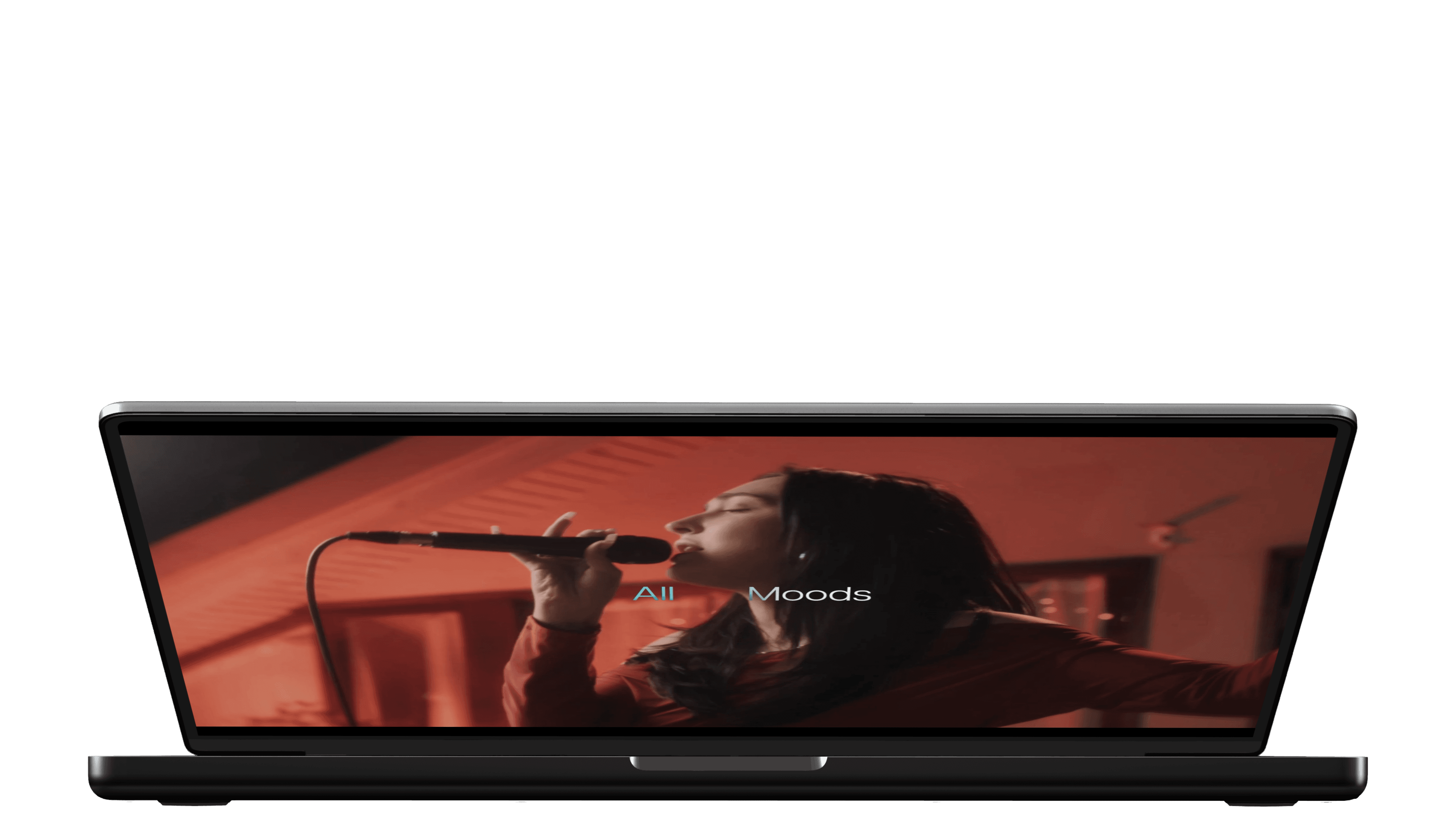
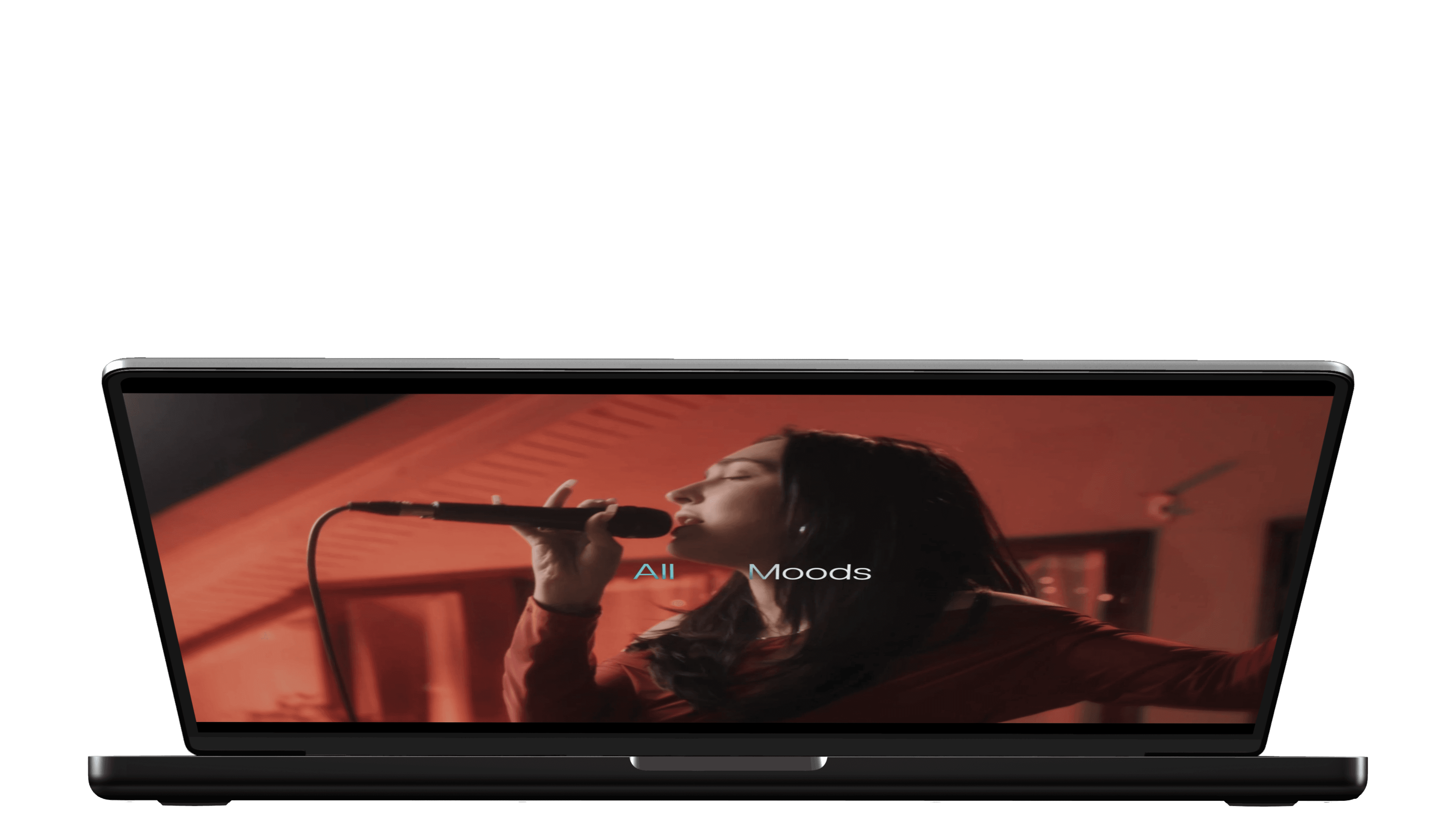
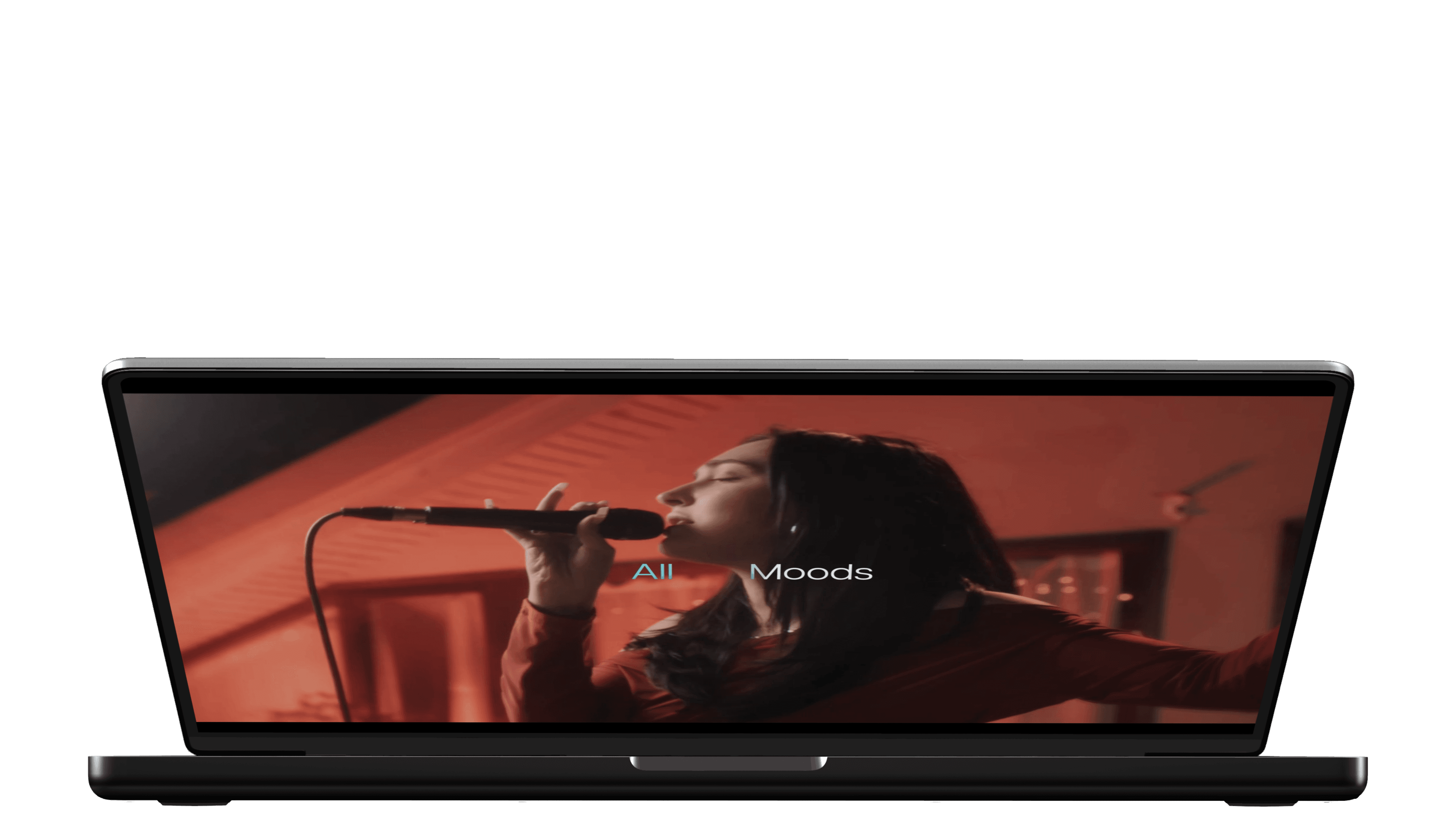
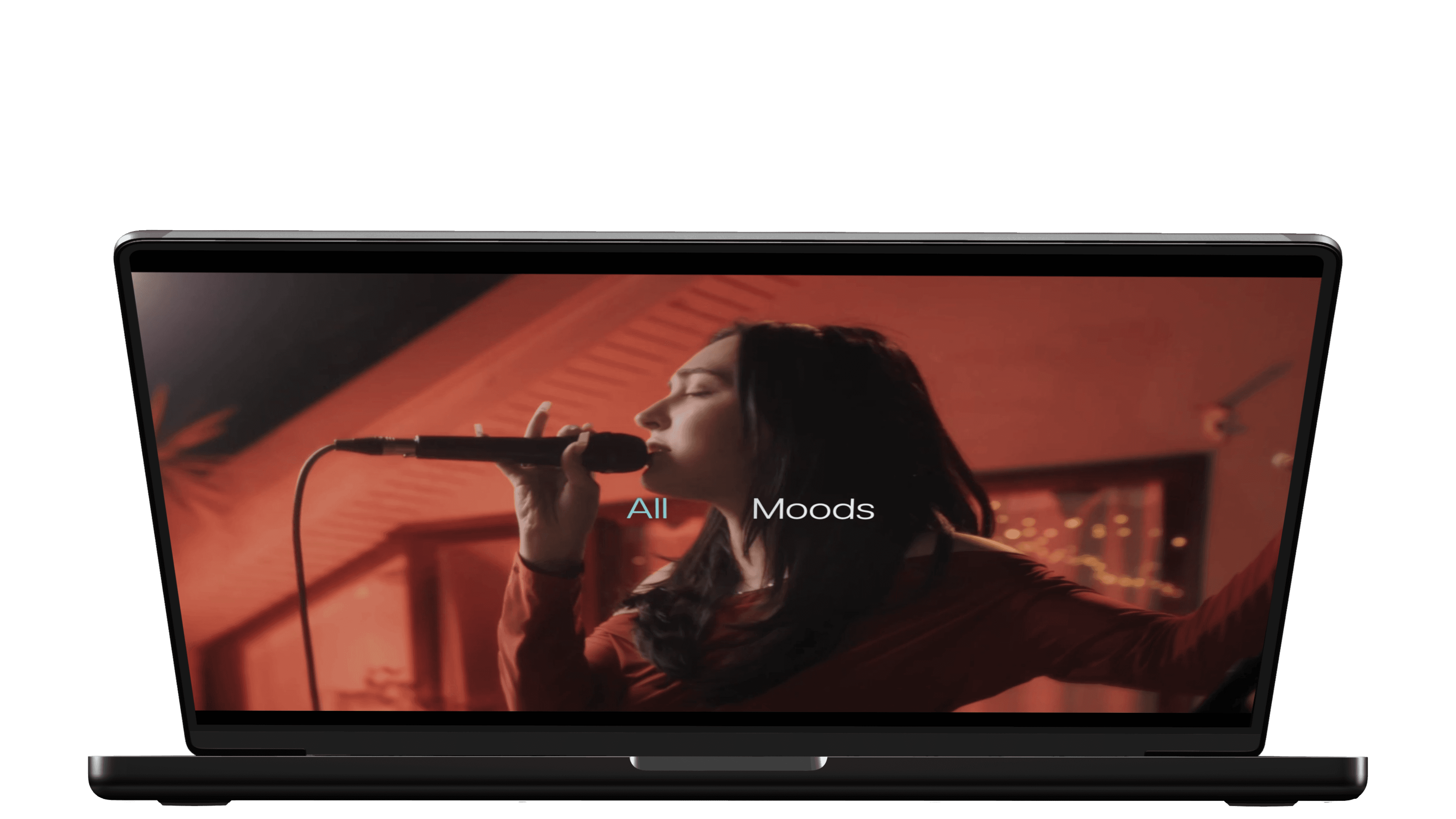
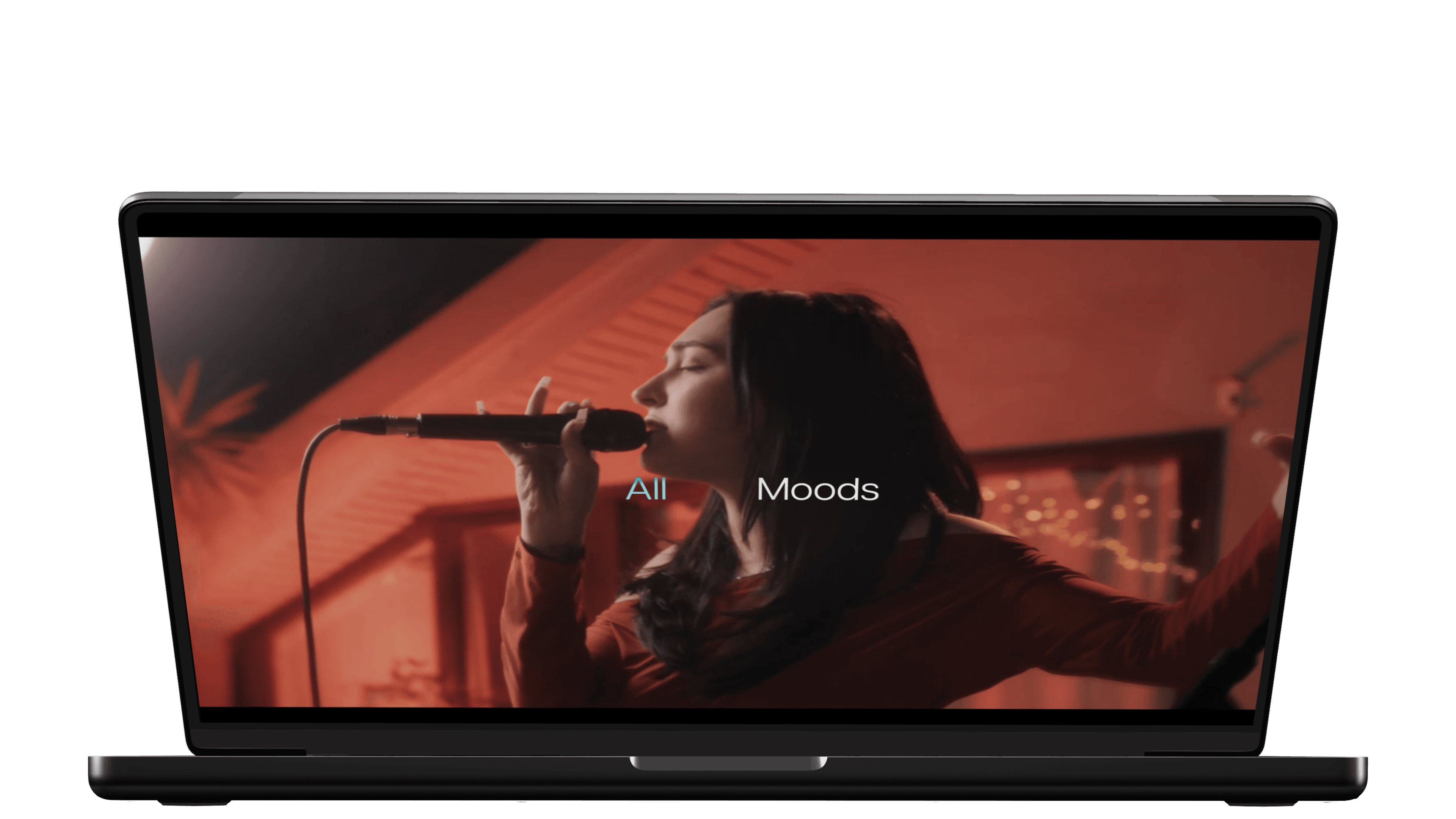
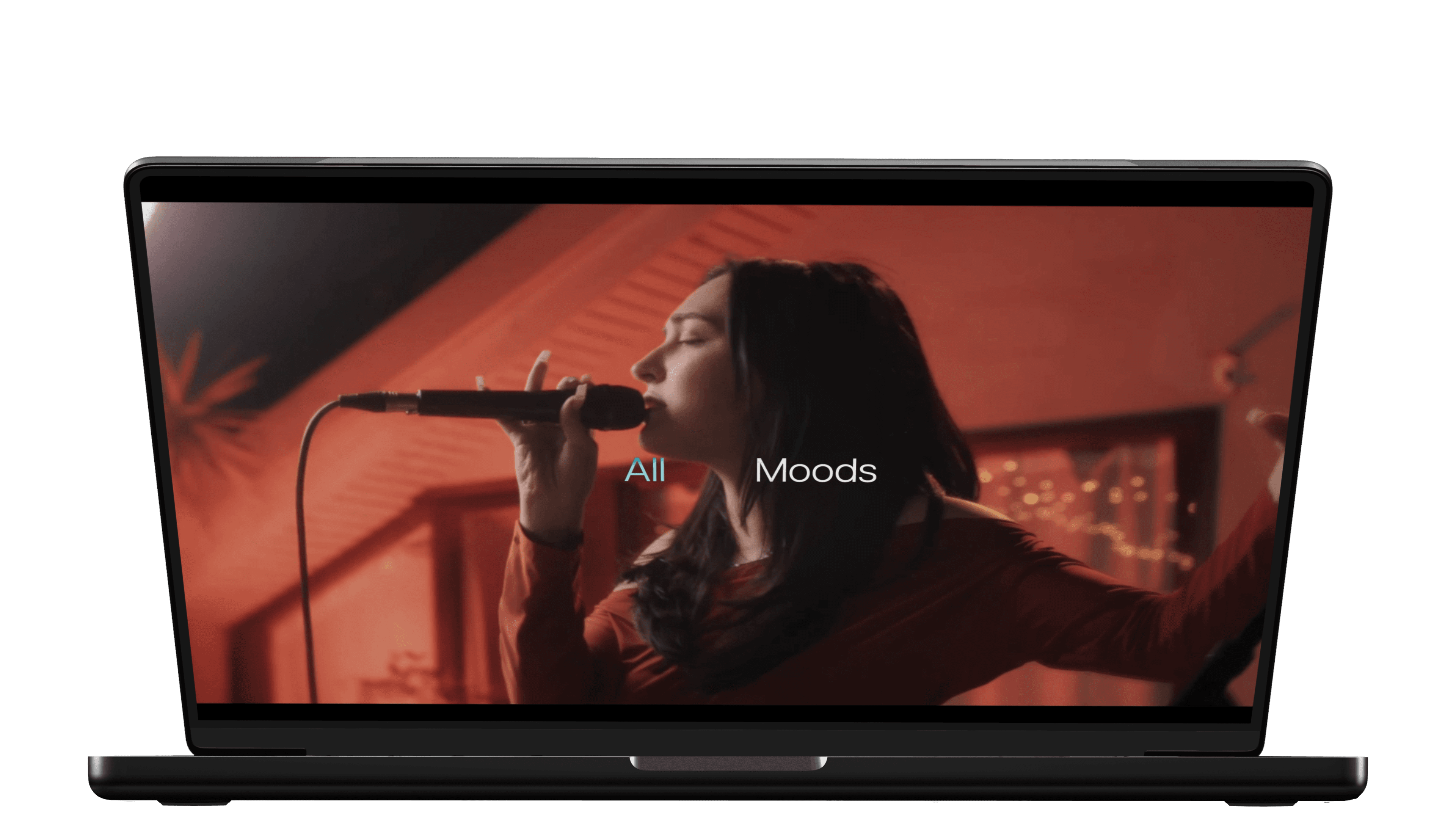
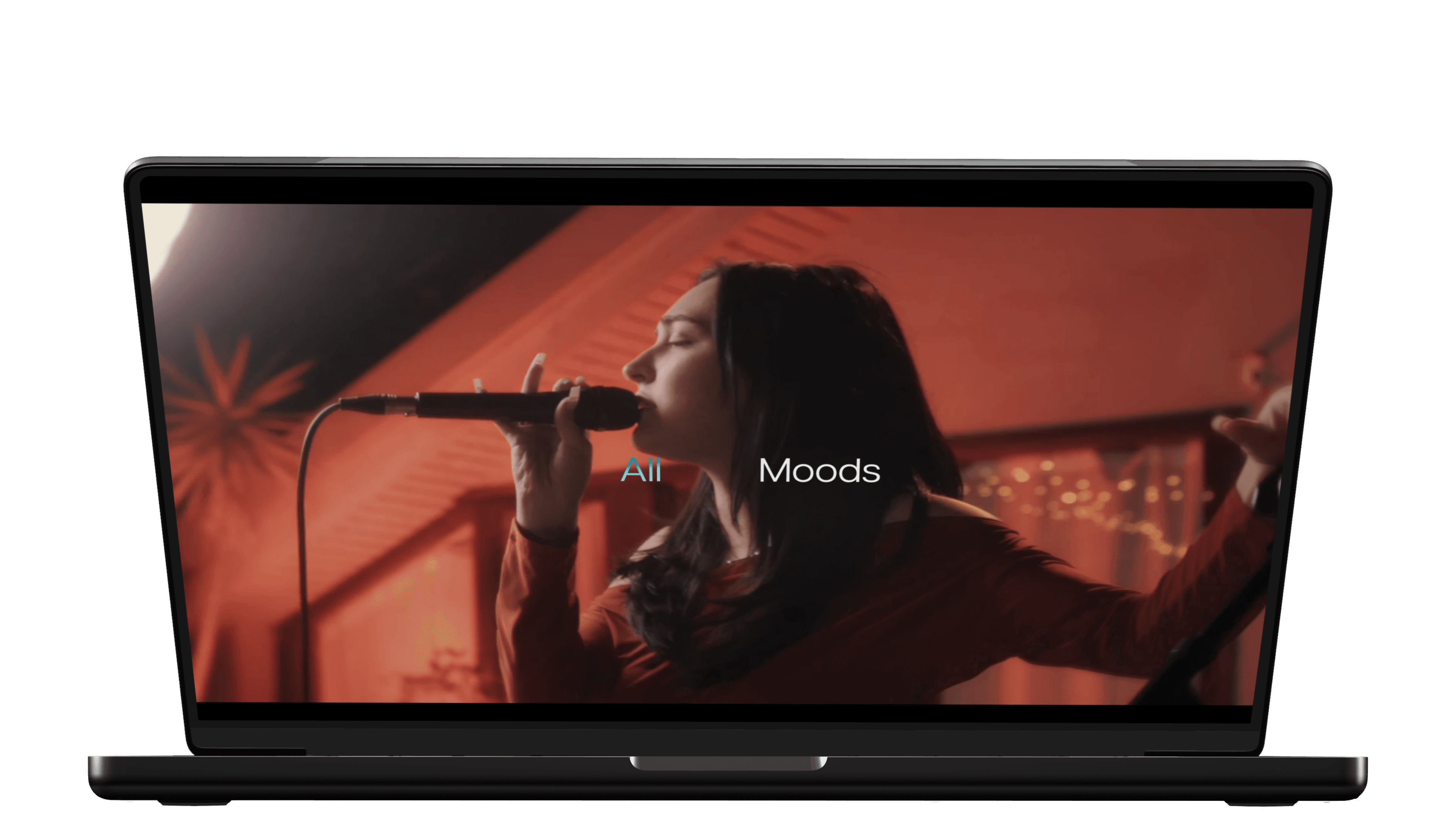
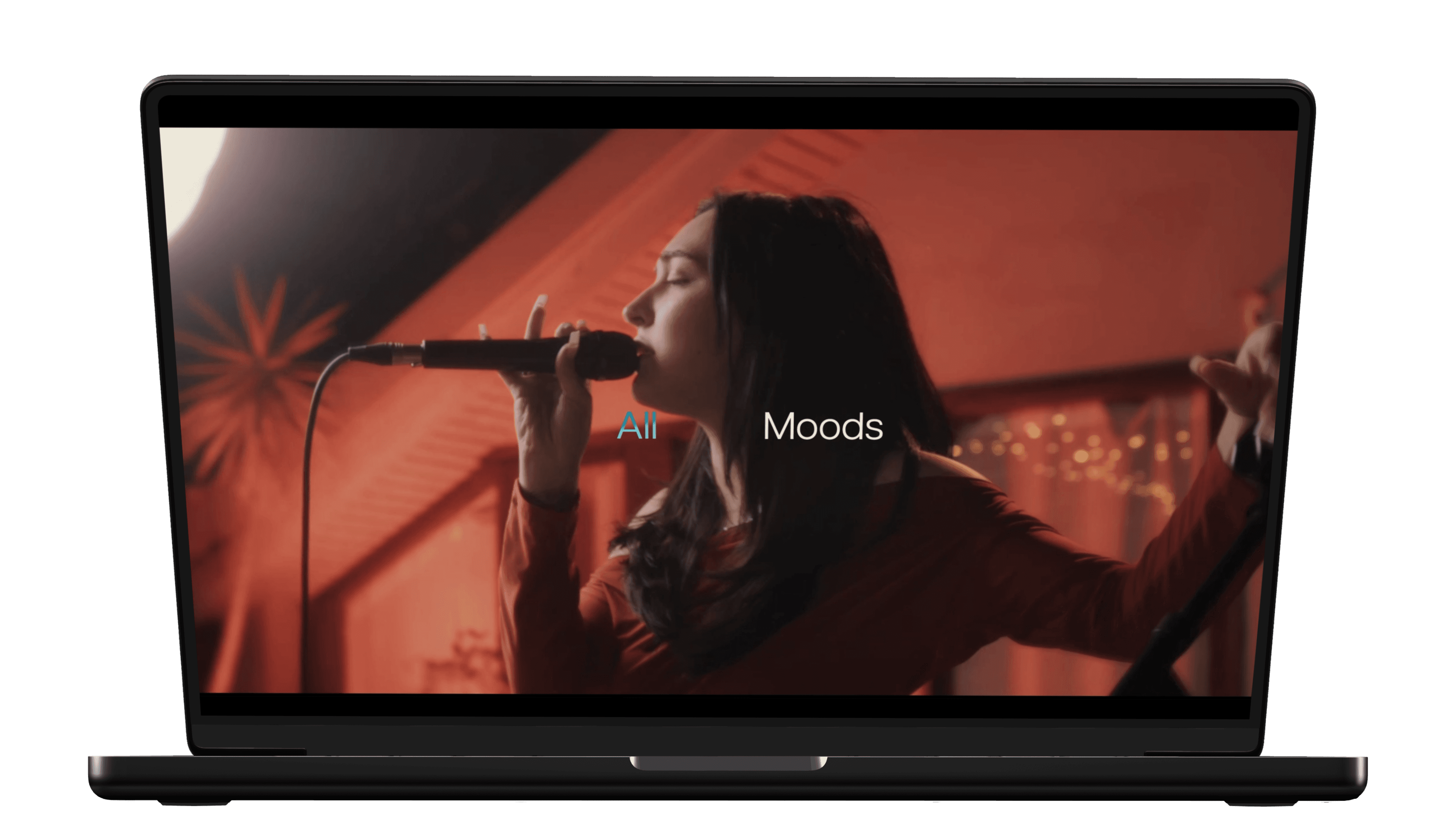
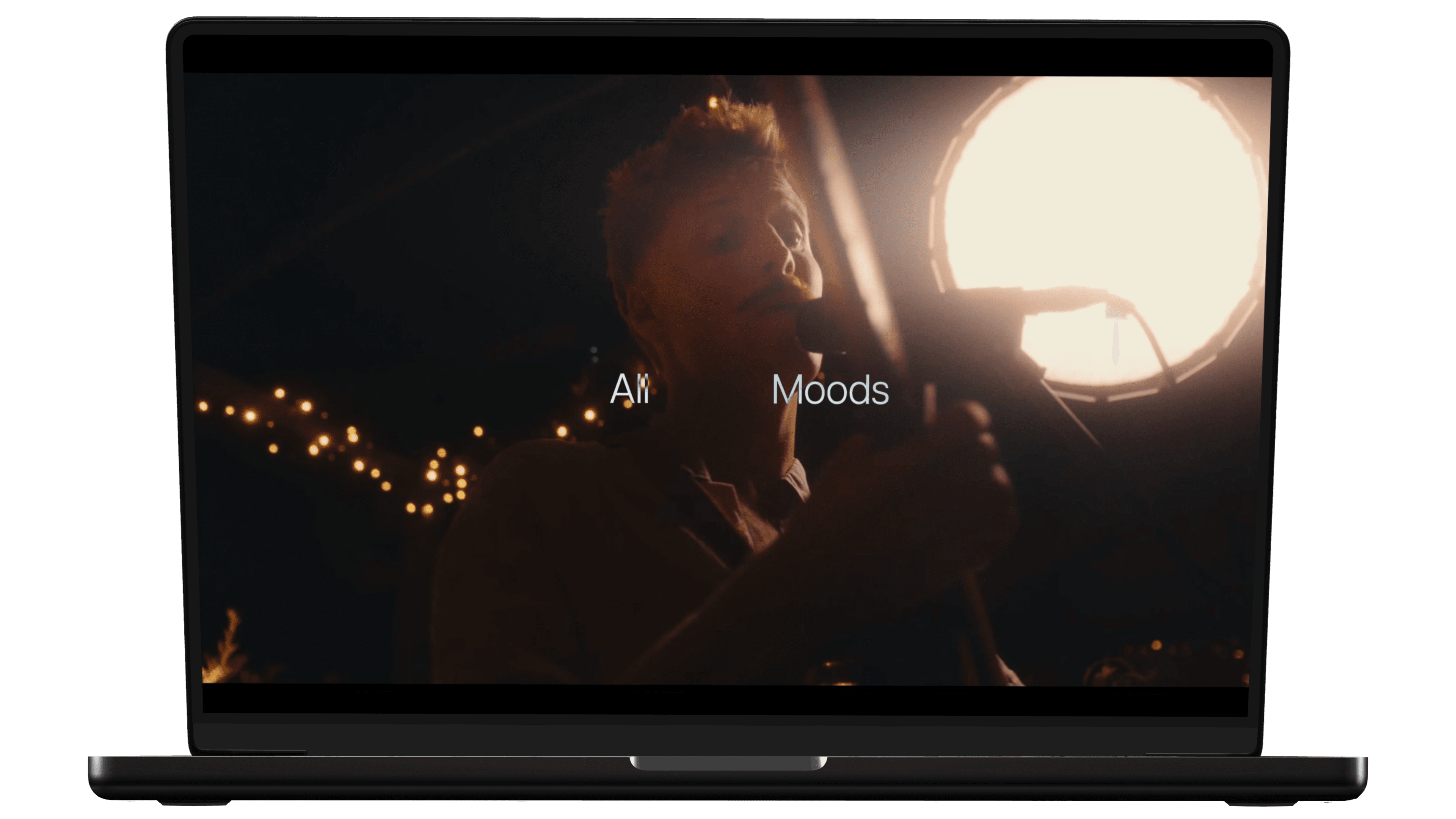
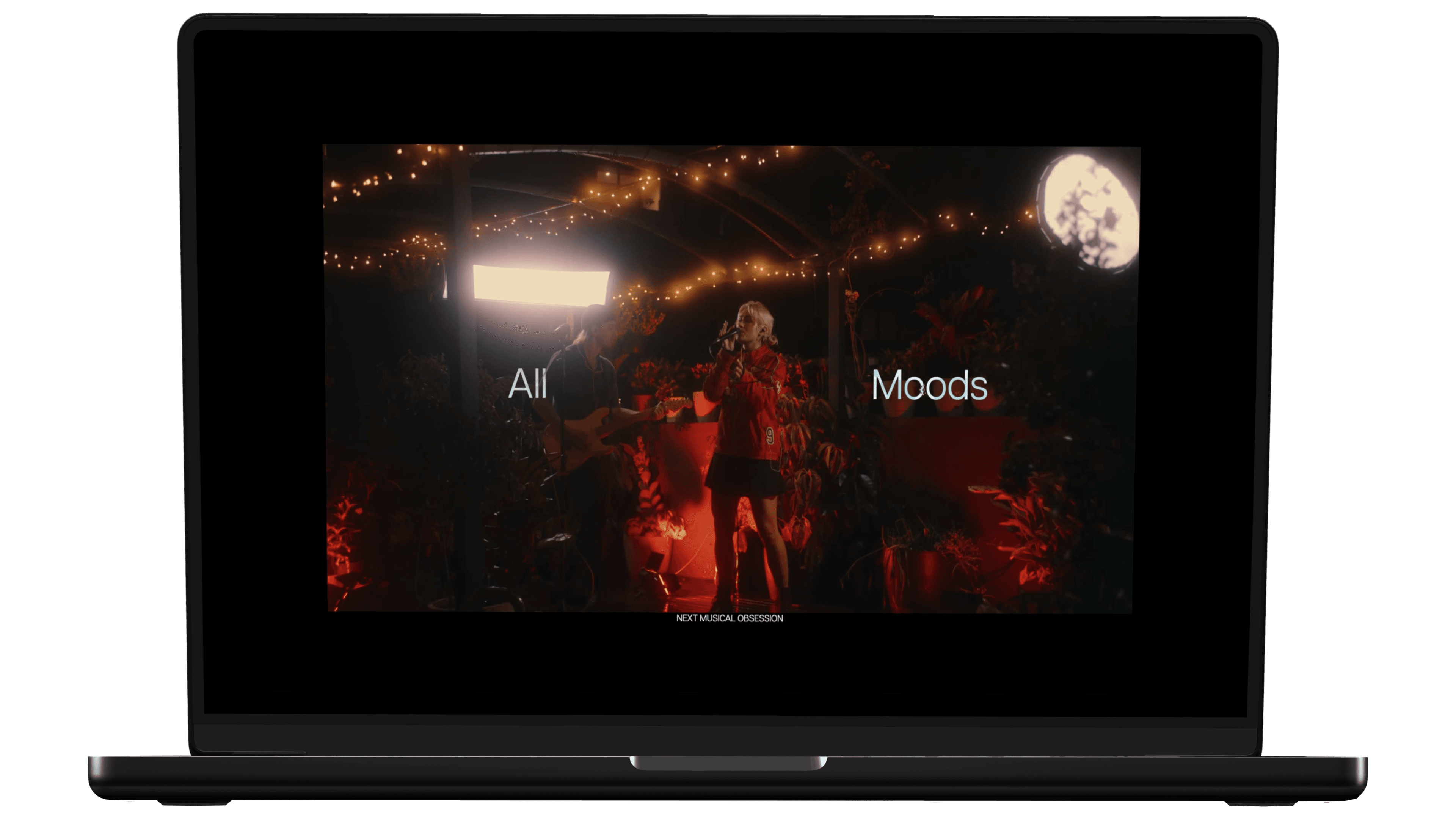
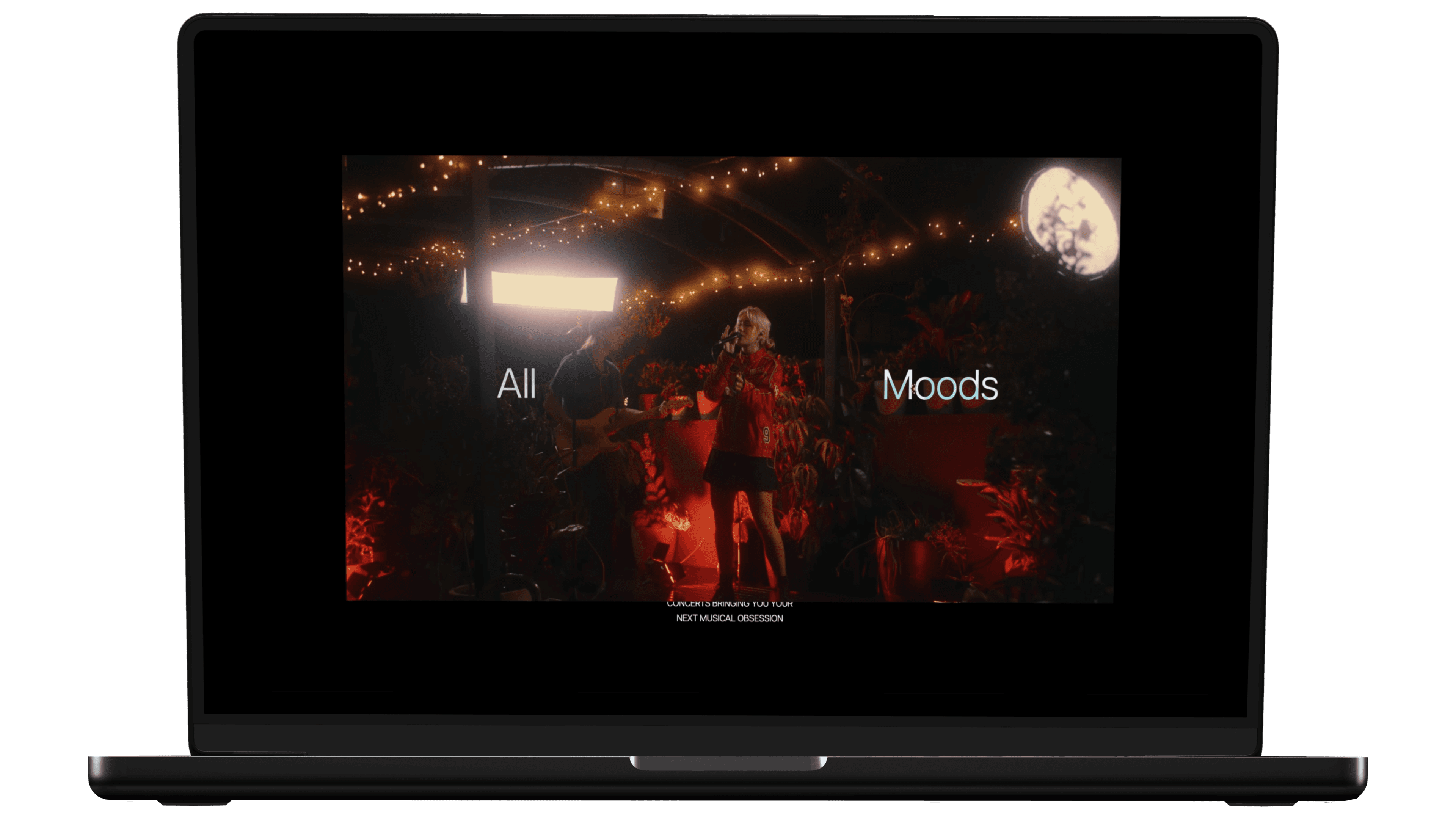
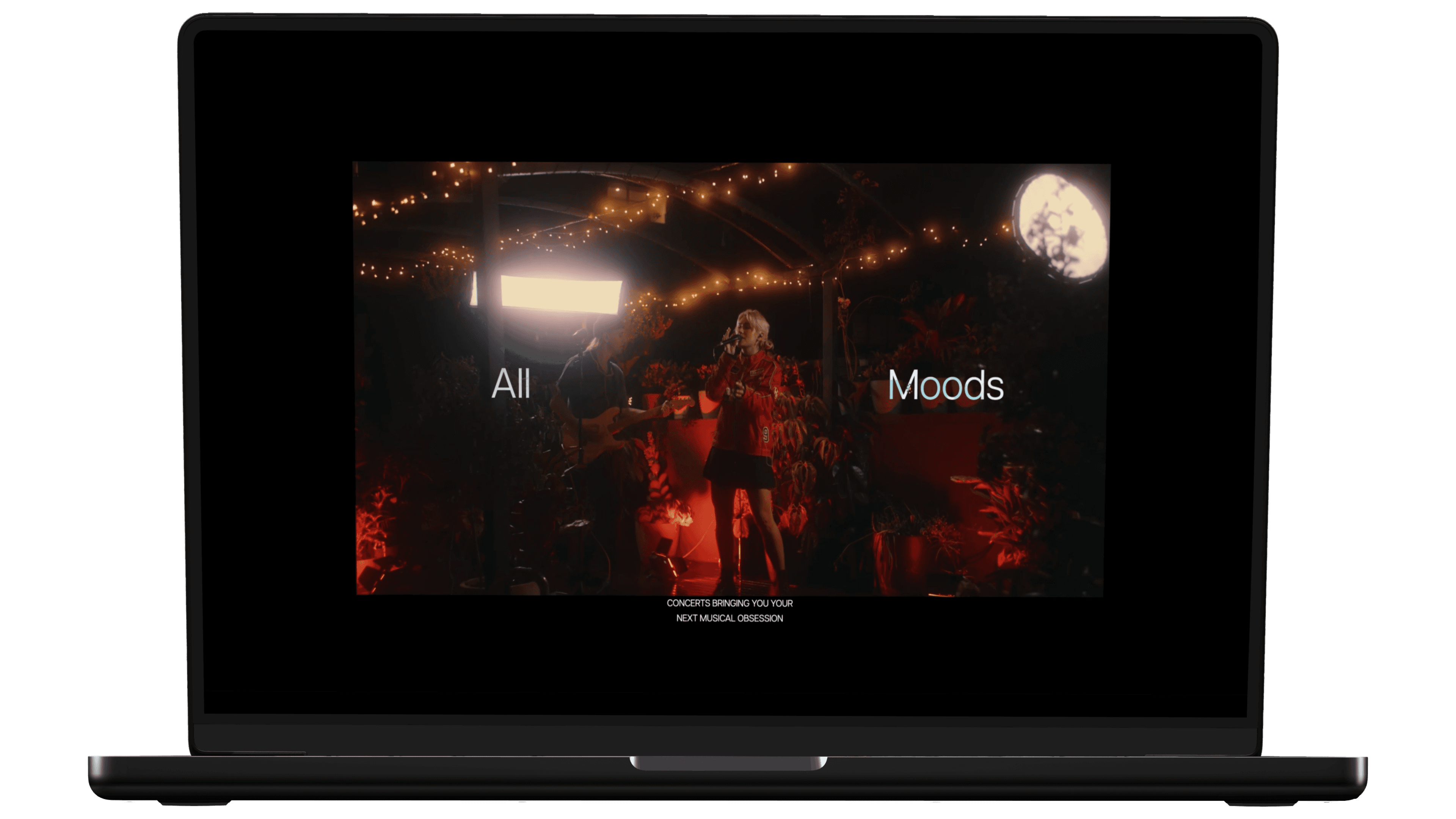
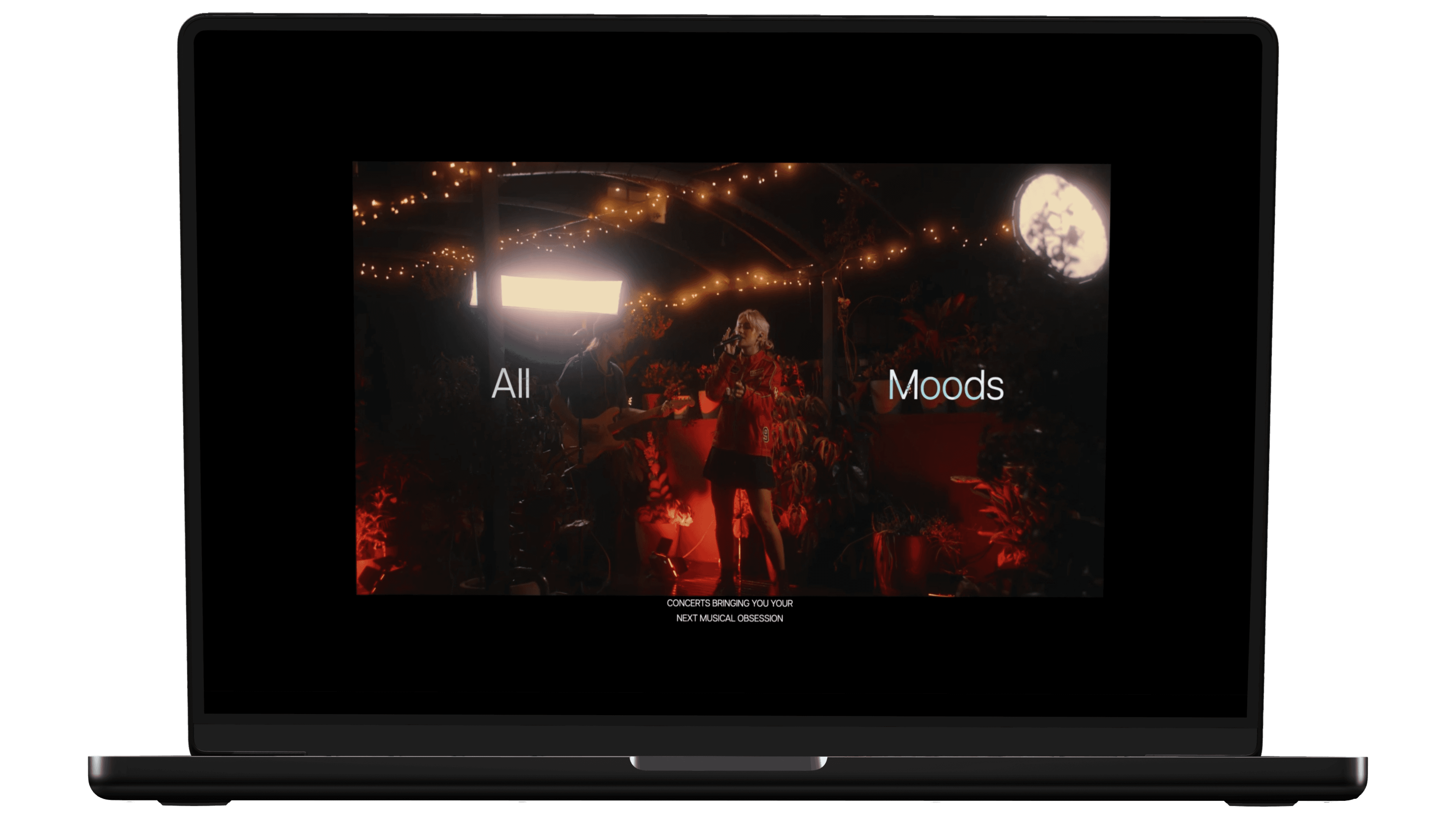
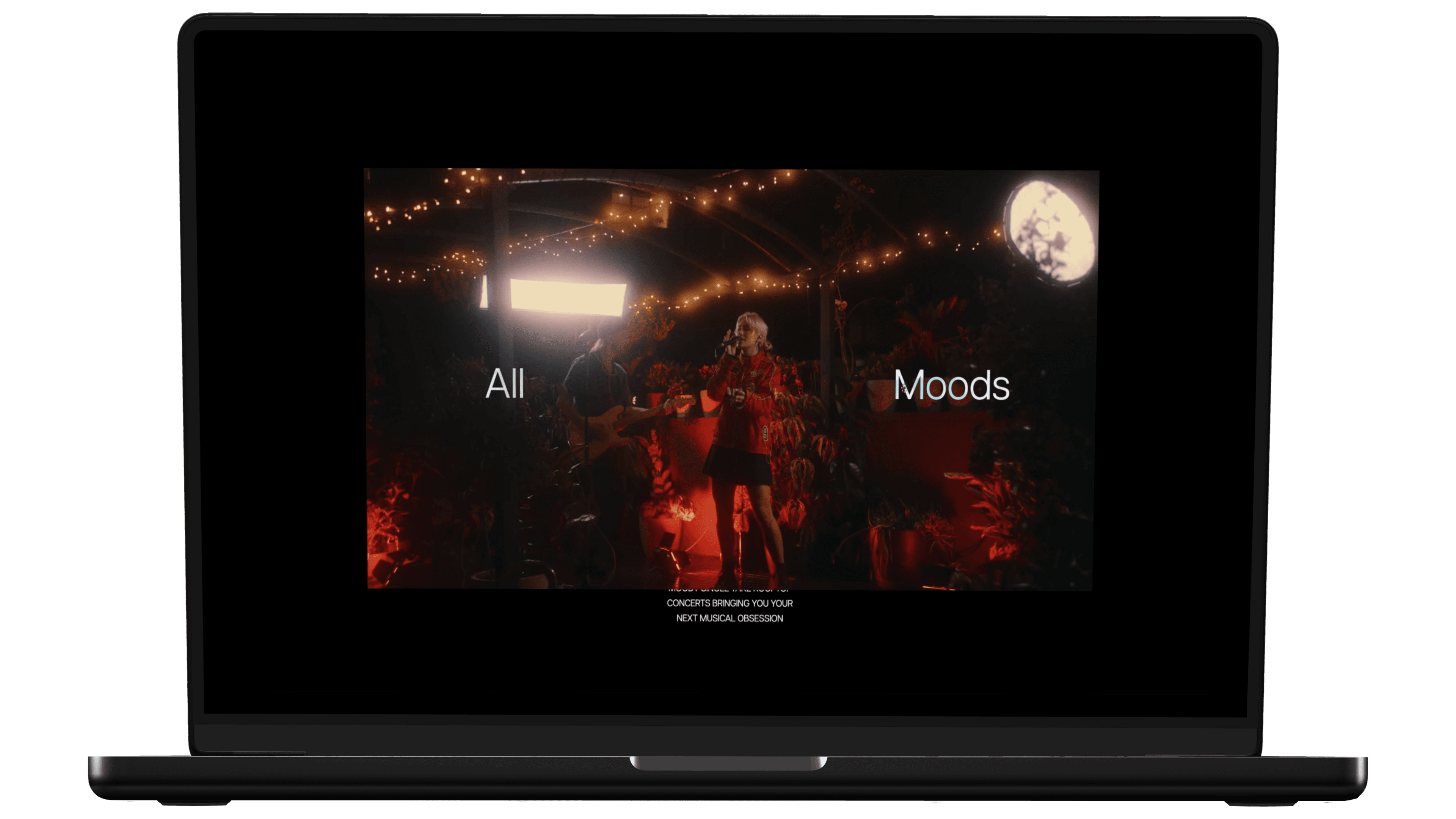
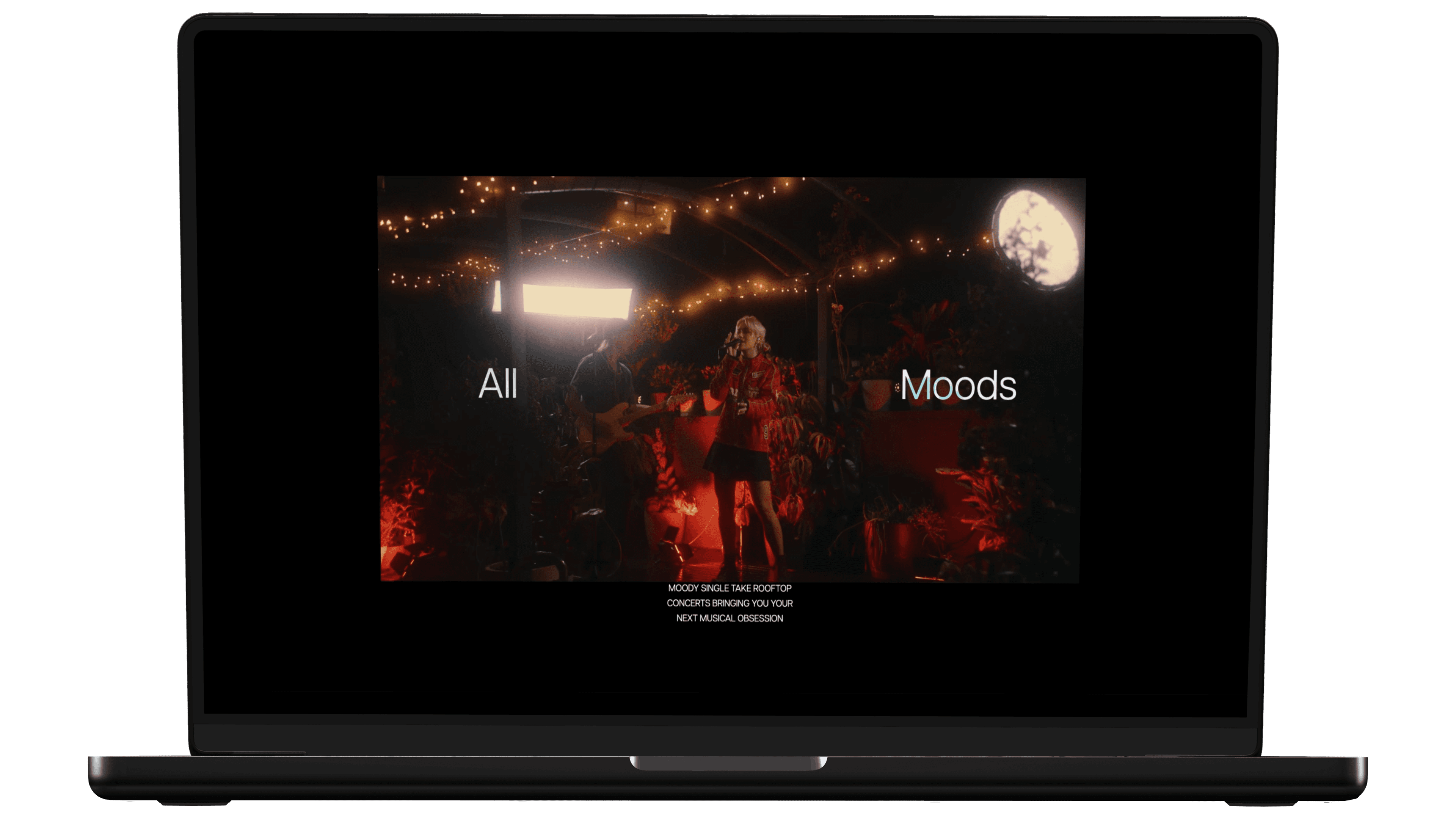
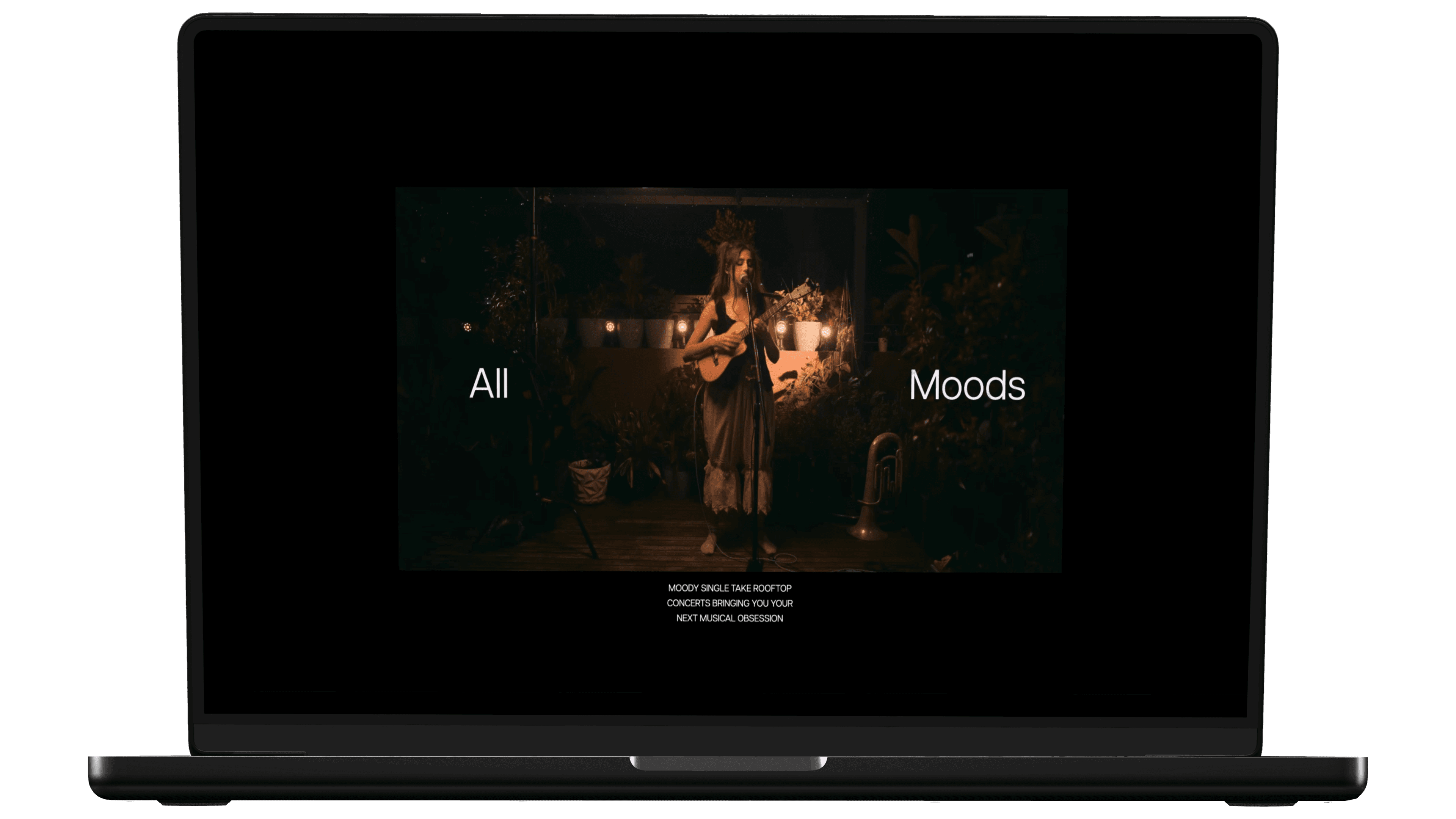
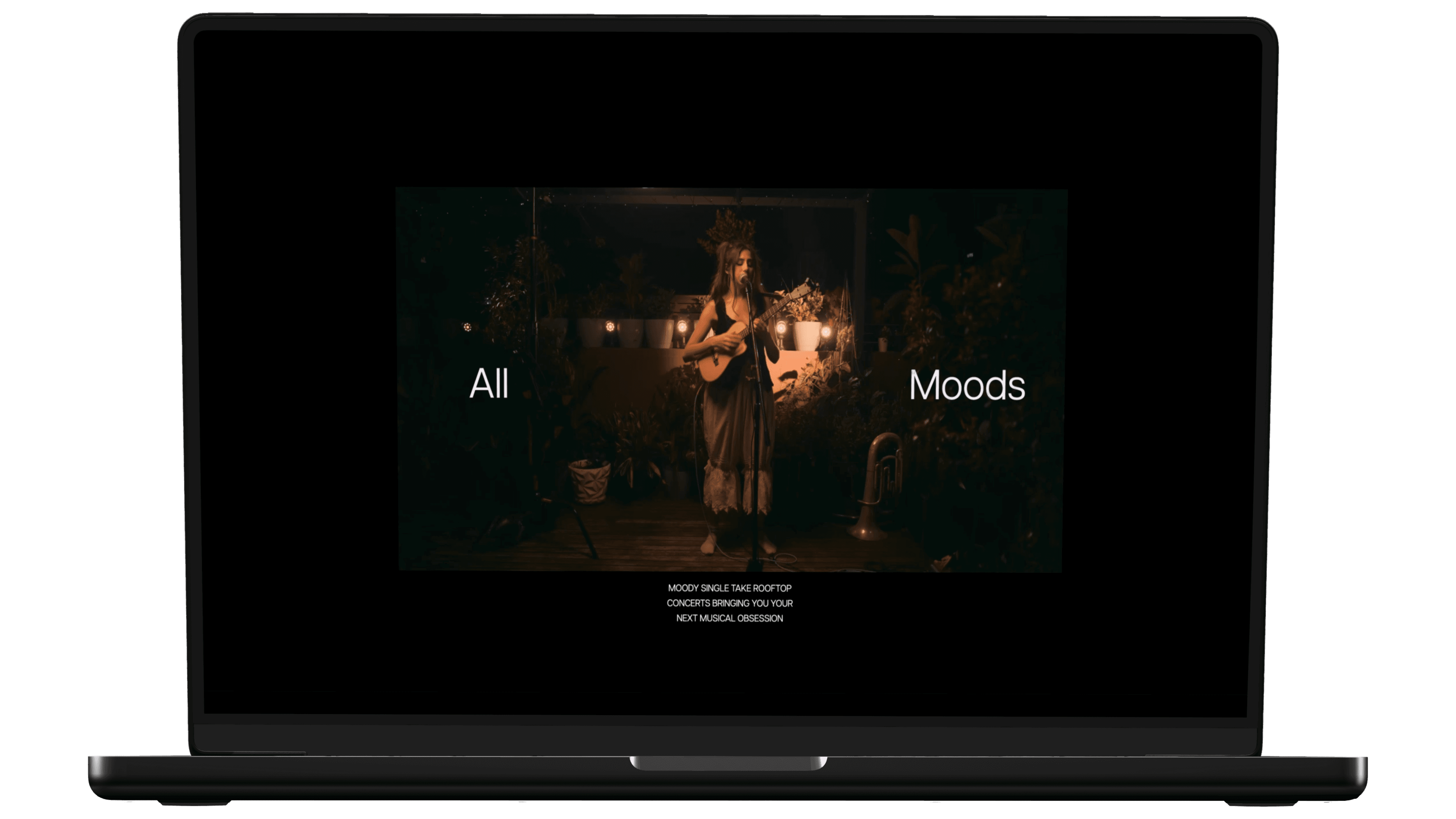
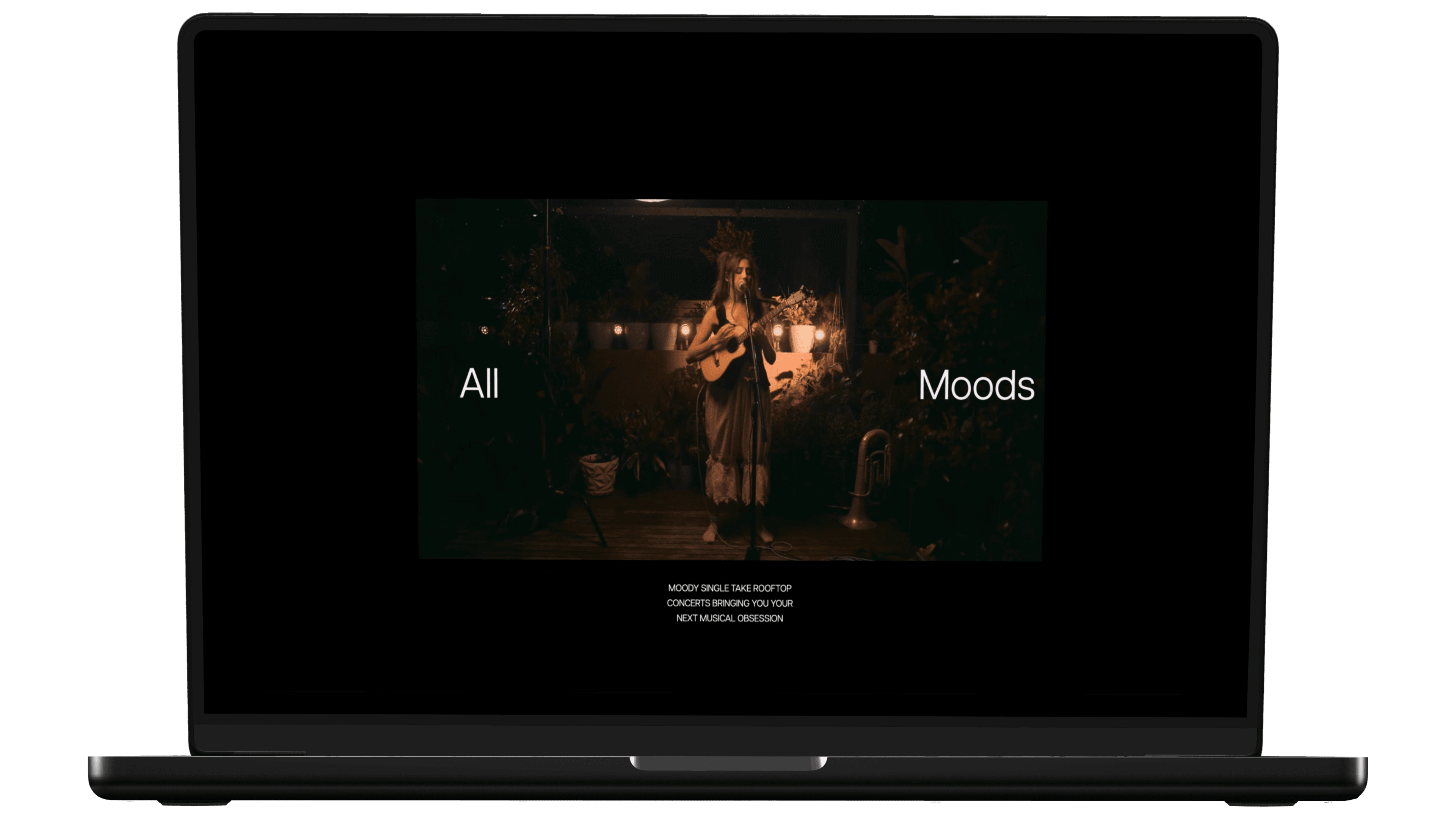
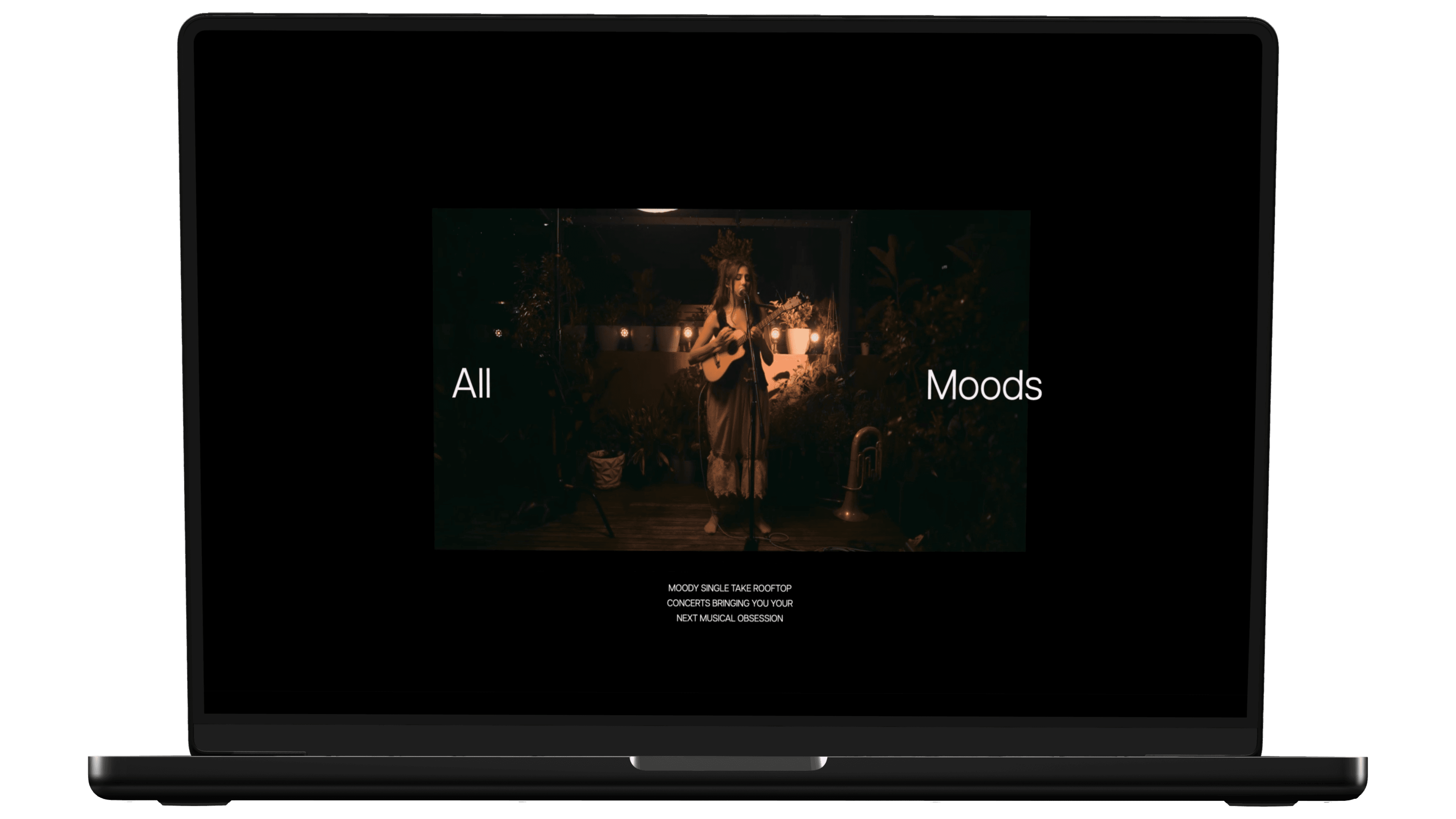
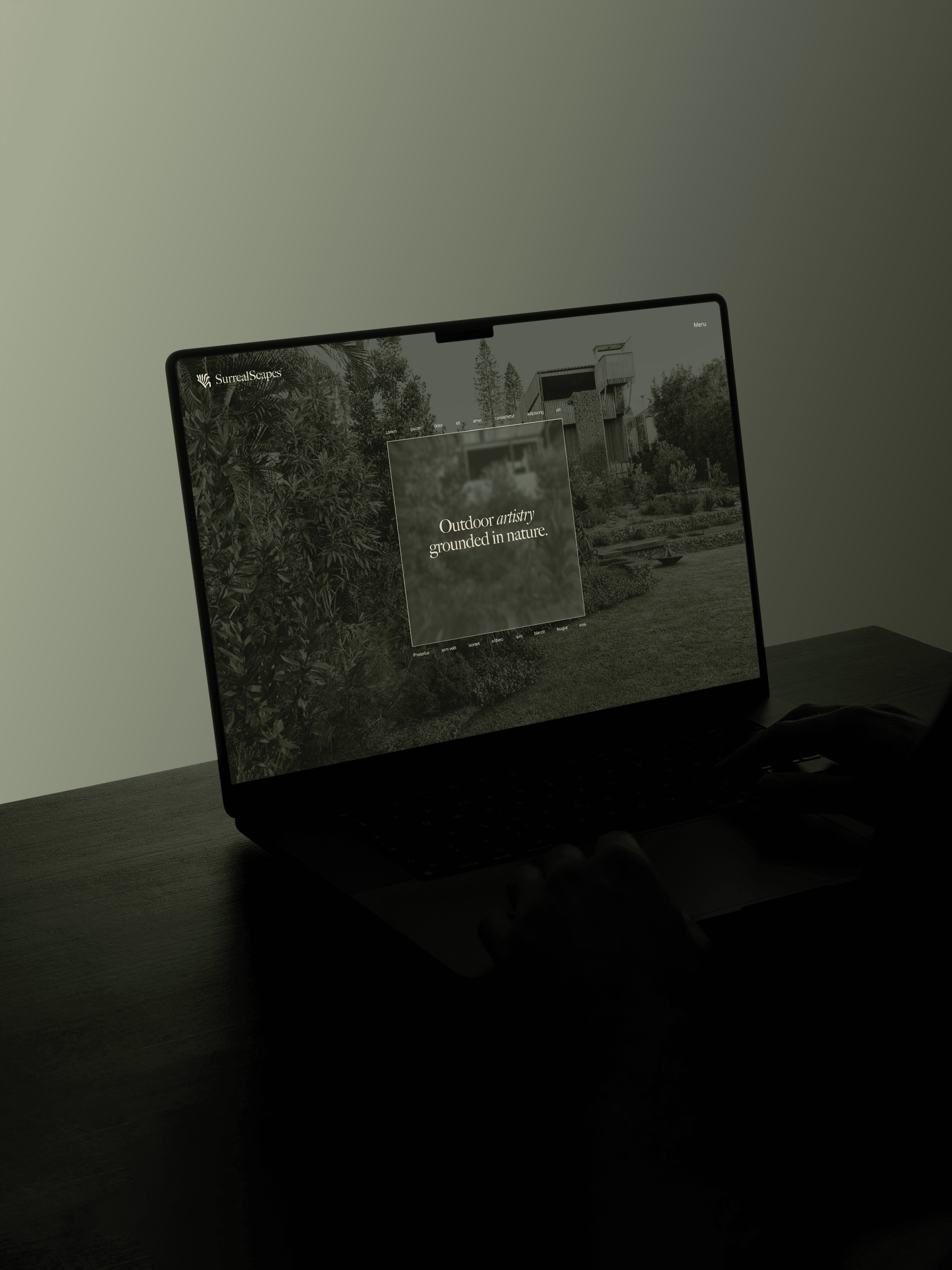
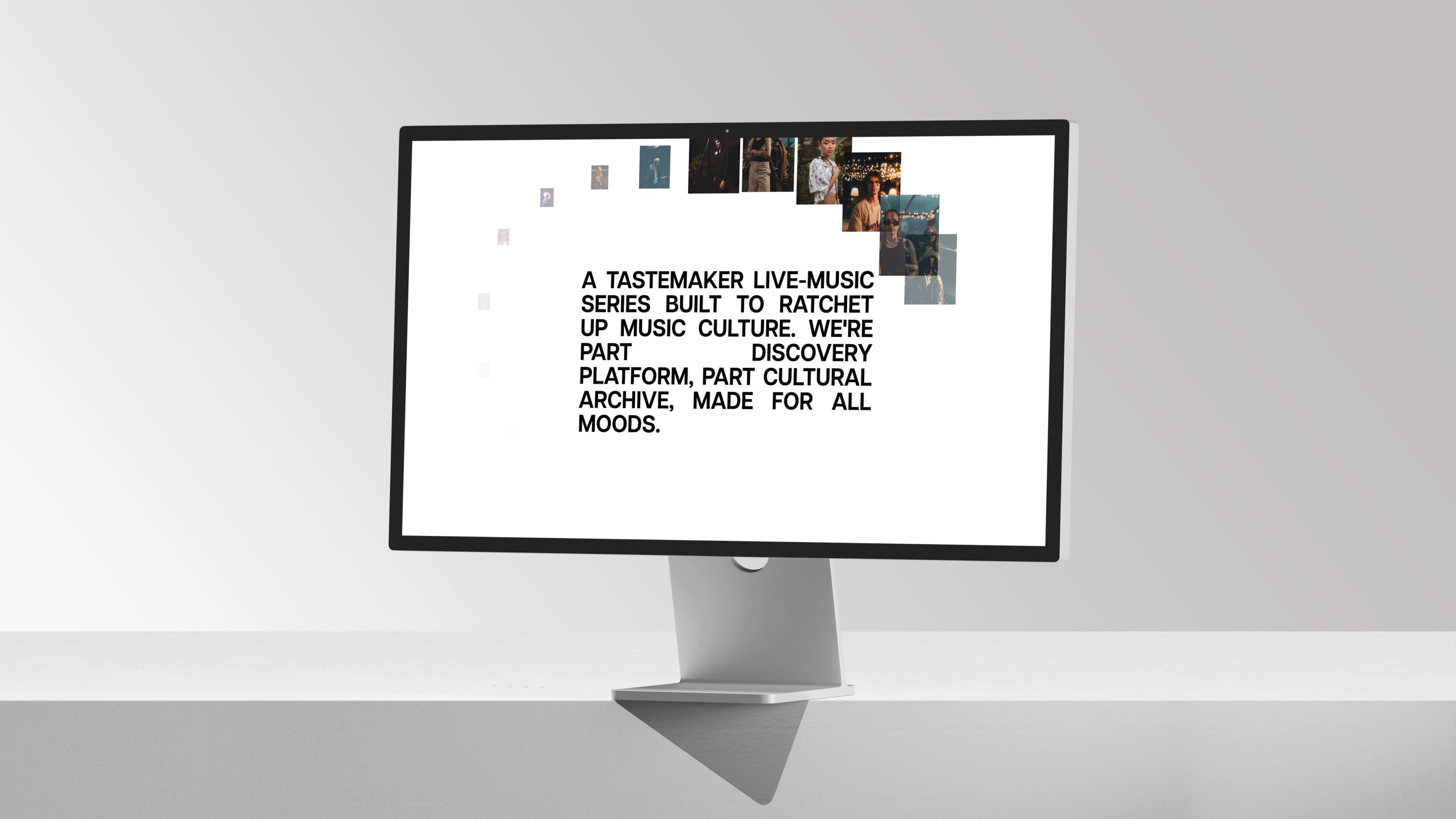
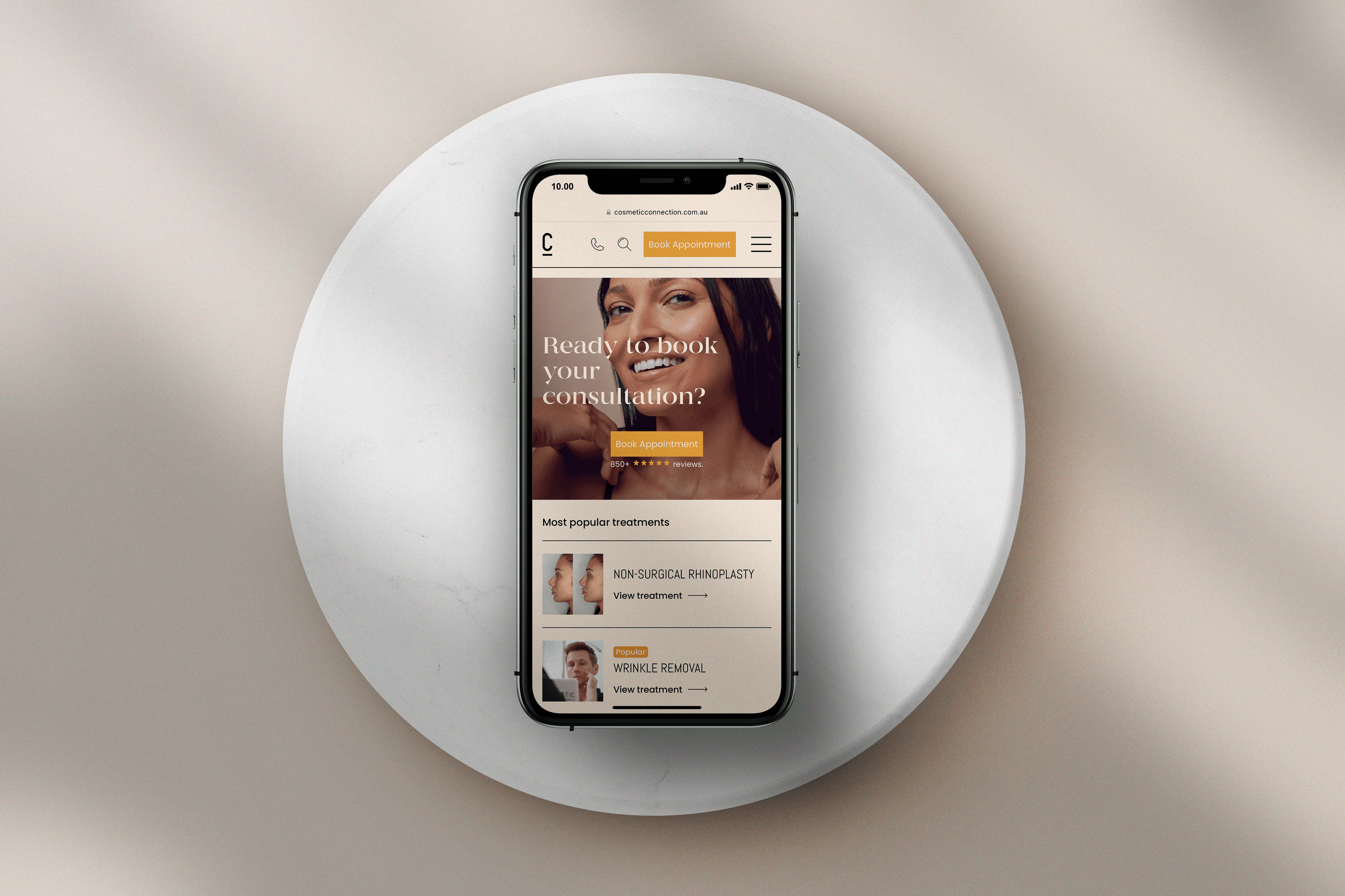
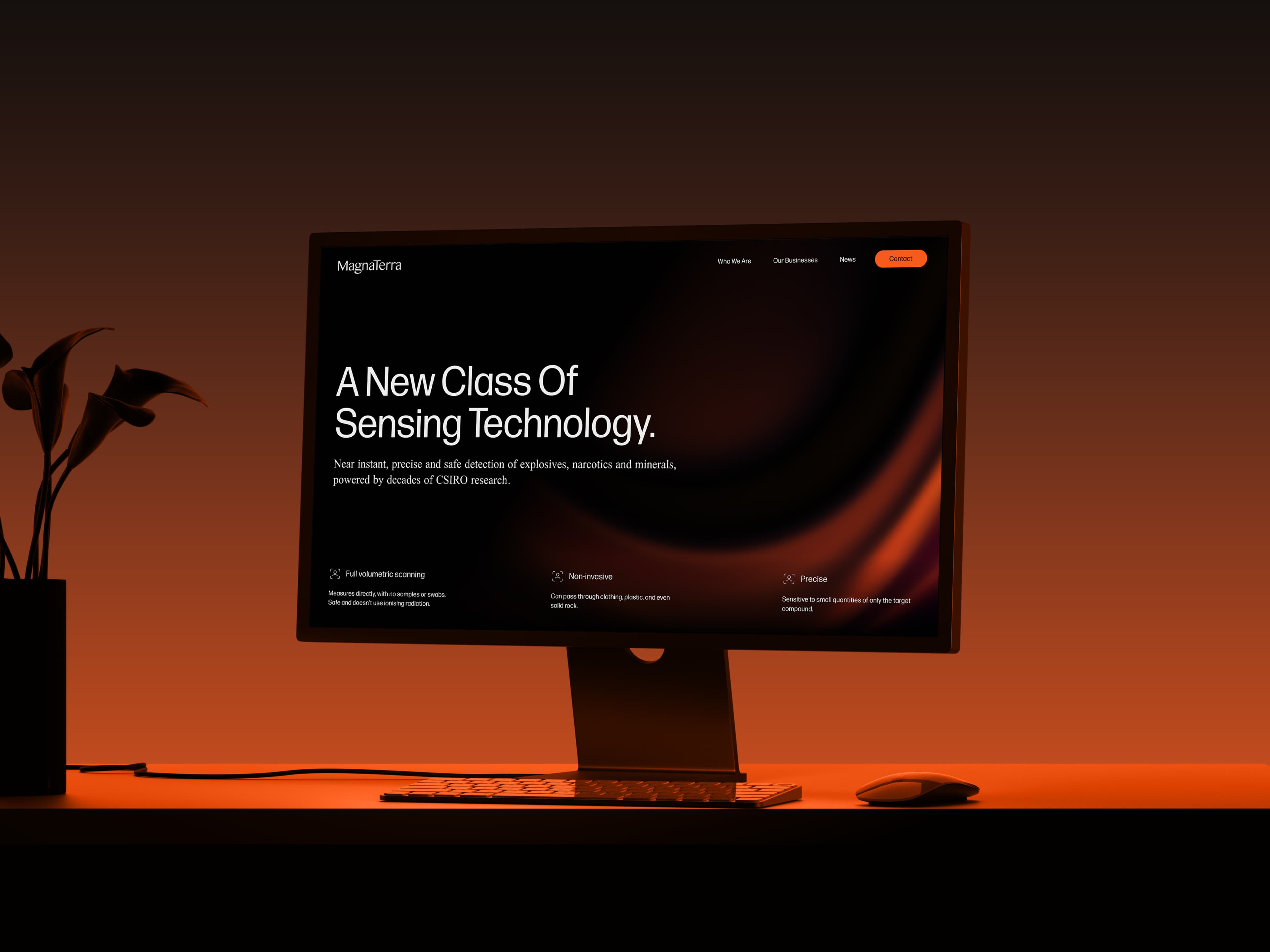
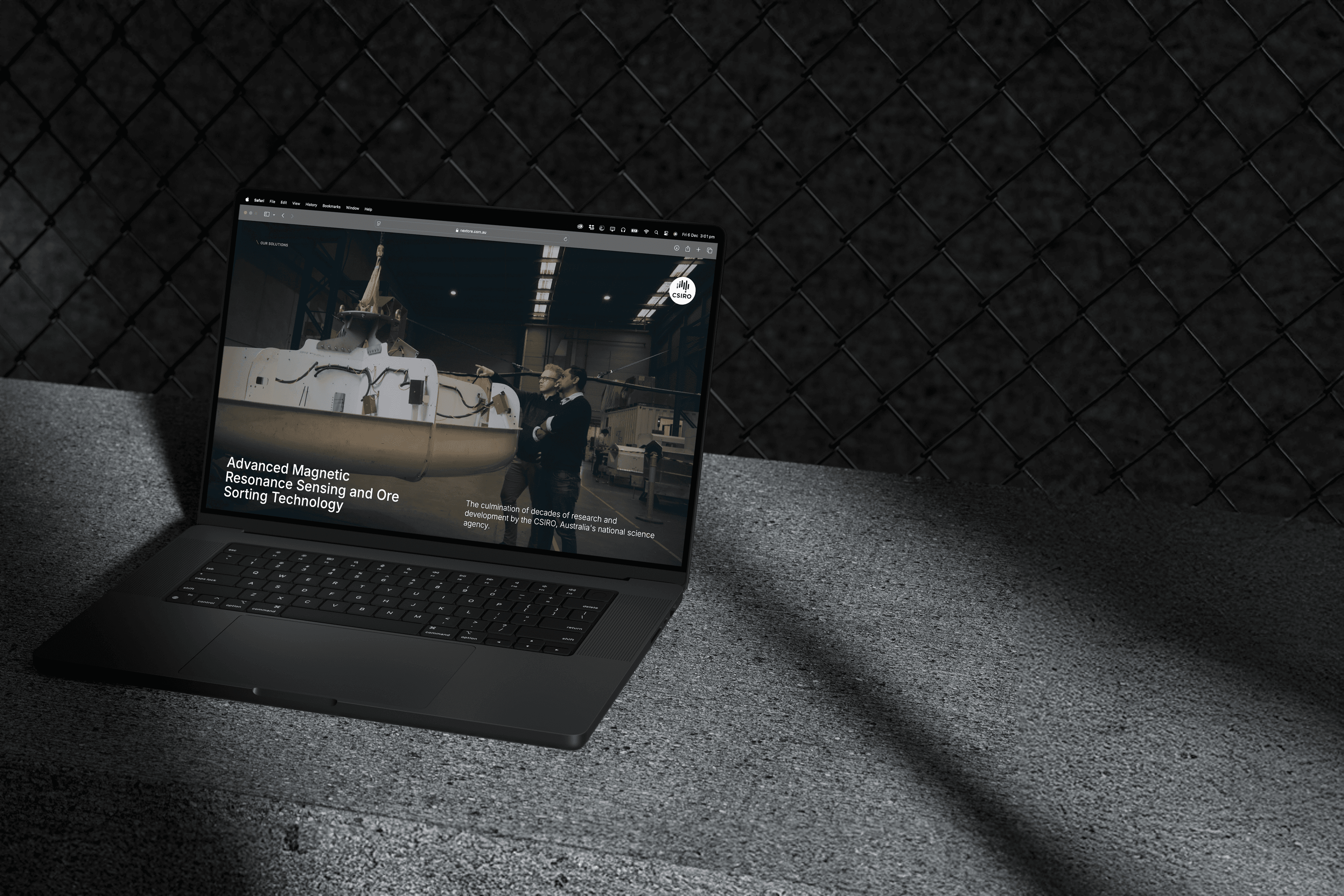
Websites and apps built around one thumb,
half an attention span, and the competitor open in the next tab.
Mude is a web design and app development agency in Sydney and Canberra, building websites, e-commerce, portals, dashboards and mobile apps in-house from strategy through to code.






















Websites
- Brand and corporate website design
- E-commerce and Shopify development
- WordPress and WooCommerce development
- Webflow and Framer development
- Drupal and government website development
- Headless CMS and Next.js builds
- Campaign microsites and landing pages
- Website redesign, rebuild and migration
- Accessible and WCAG-compliant websites
Applications & Portals
- Mobile app design and development
- iOS, Android and cross-platform apps
- Web apps and custom software
- Client, customer and member portals
- Dashboards and reporting
- Data visualisation platforms
- Product, UX and UI design
- MVP and product discovery
- Systems and API integration
Ongoing Support
- Website maintenance
- App maintenance and updates
- App Store and Play releases
- Managed hosting and cloud
- New features and enhancements
- Iterative design and build
- Performance and Core Web Vitals
- App maintenance and updates
- CMS training and handover
Website design.
It's the vibe of the thing.
Putting lipstick on a template is somebody else's business model. Custom website design and development: brand and corporate sites, e-commerce, campaign microsites, redesigns and migrations. Built on WordPress, Webflow, Framer, Drupal, Shopify or a headless CMS with Next.js, chosen for what your team can run.
You can lead a team to a new app, but you can't make them log in twice.
Mobile apps for iOS and Android, web apps, client portals, dashboards and data visualisation platforms, designed and built in-house. We design for the second visit, and the four hundredth.
Blood, sweat and micro-interactions. Make it move. Move!
There are worse things a website can be called than boring, though not many. We aspire to make websites Dudley Dursley would find fun to use, which is a ridiculous ambition but a high bar all the same.
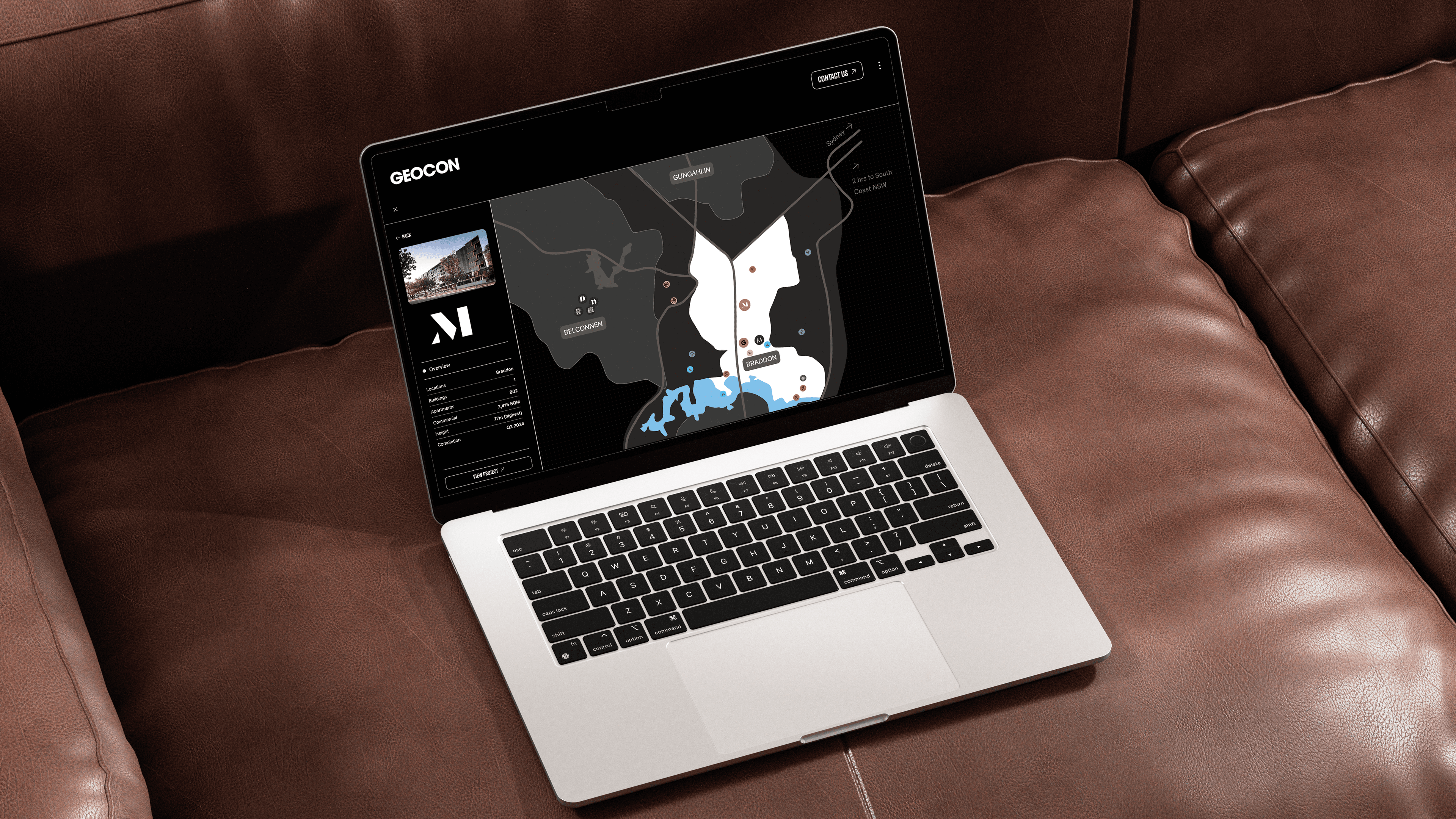
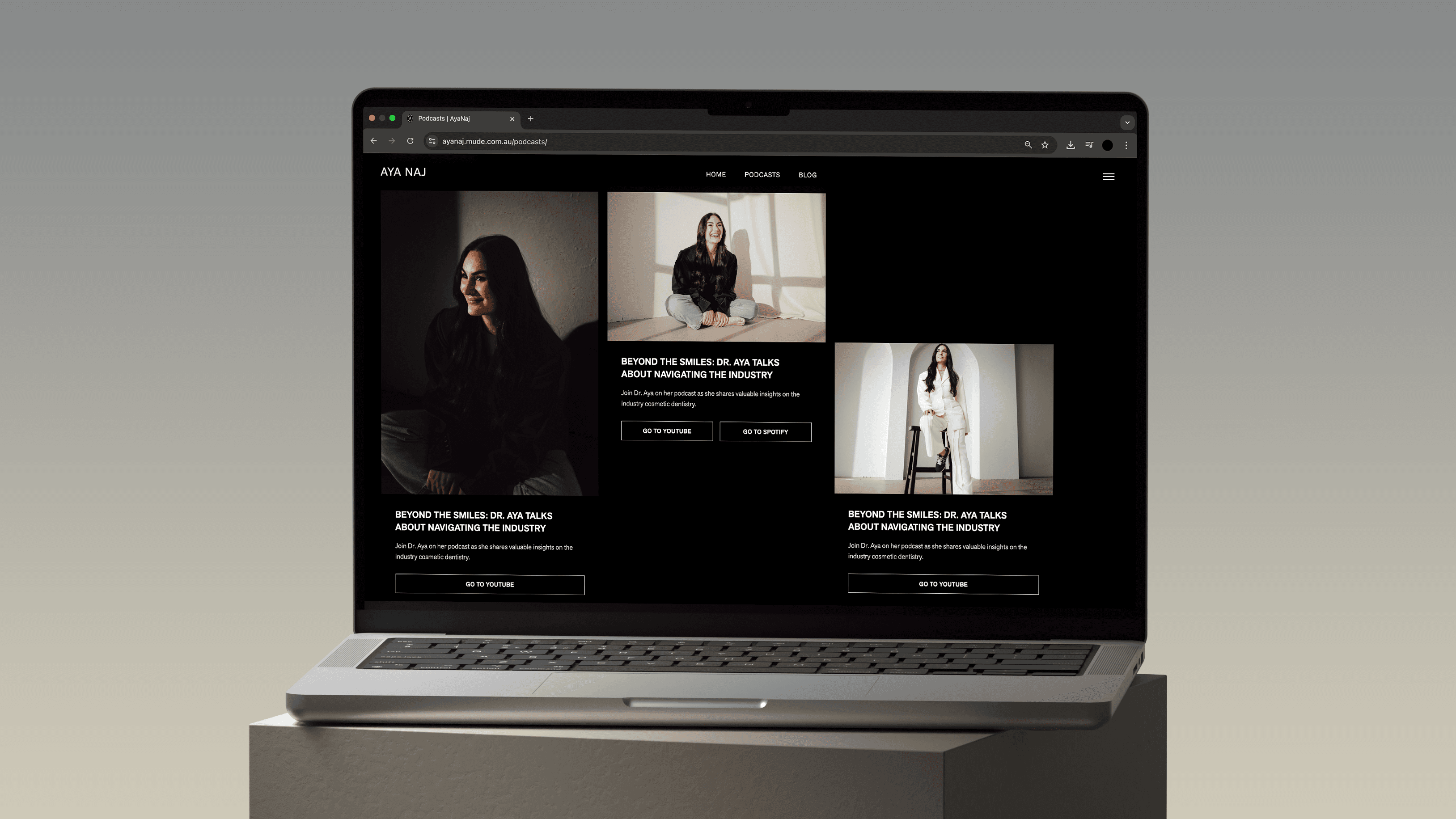
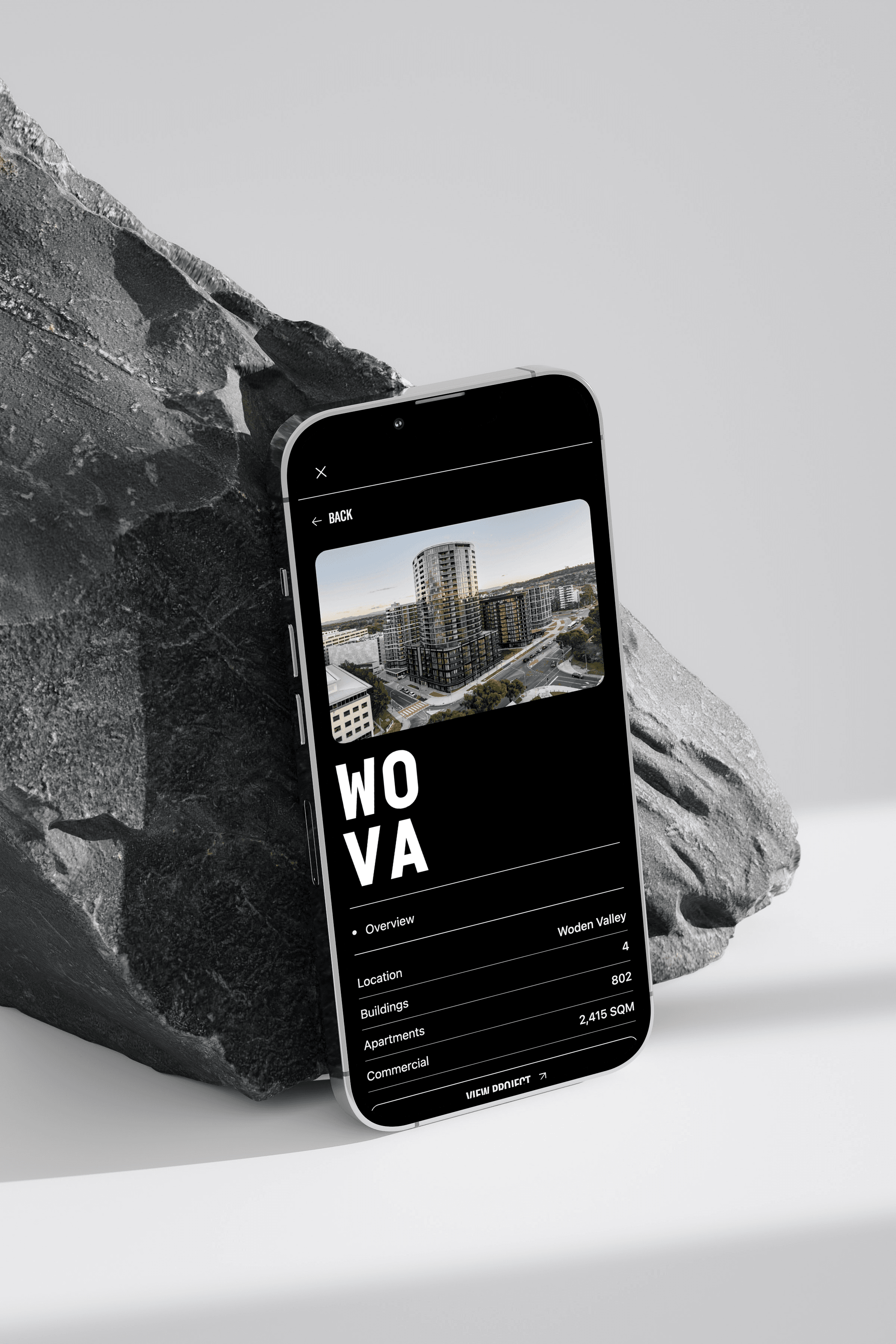
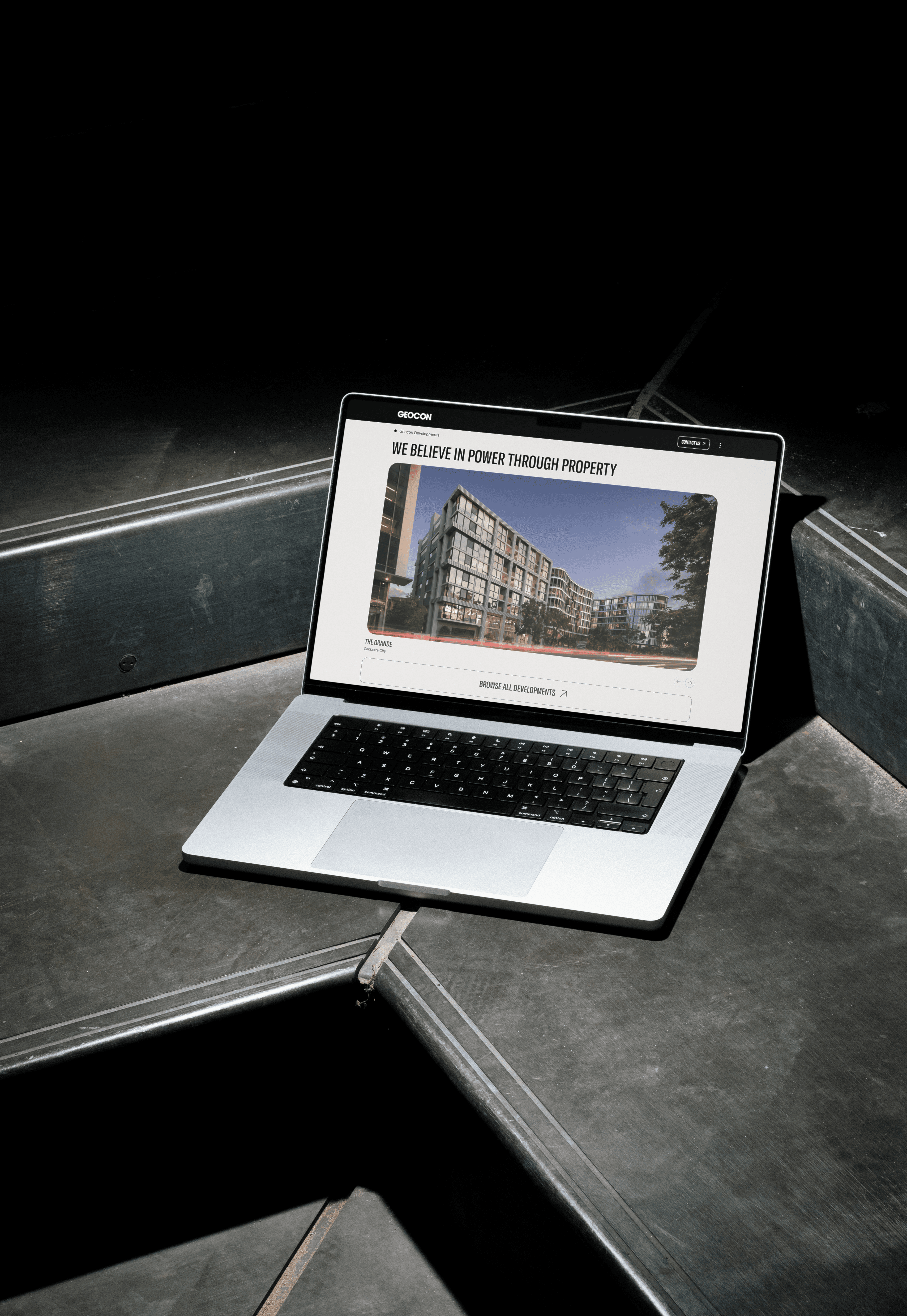
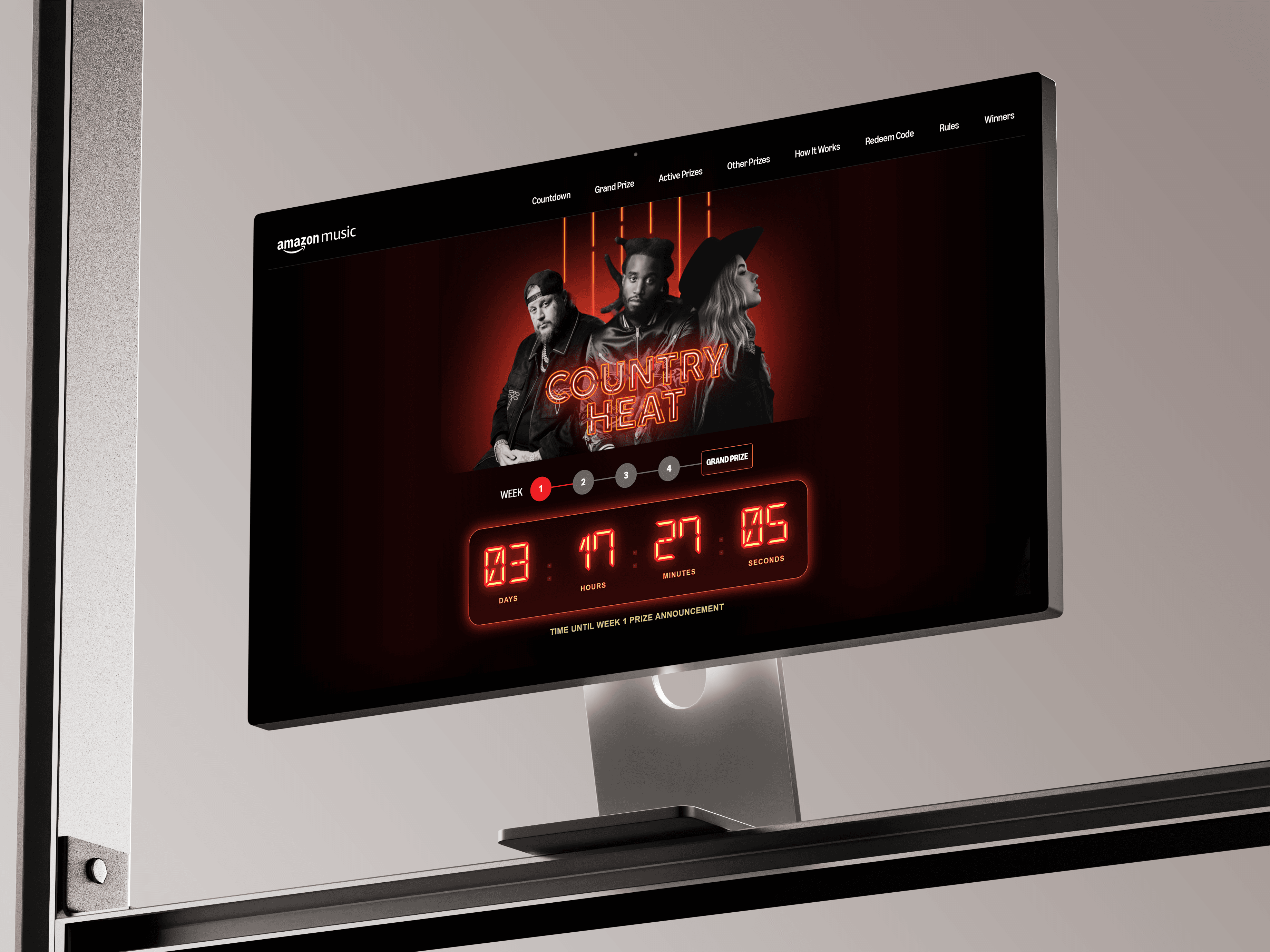
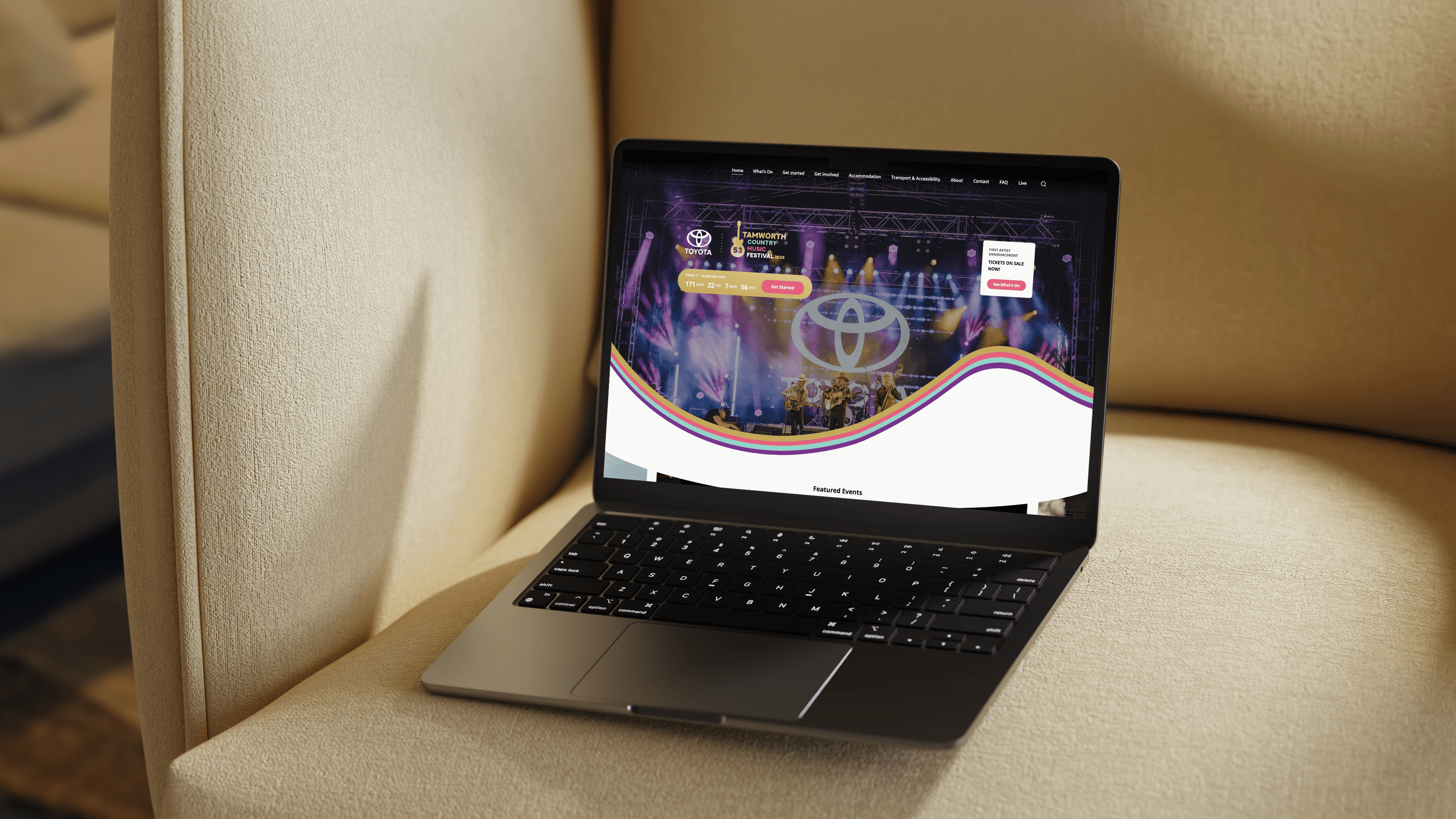
Some of the work that'd keep Dudley Dursley's attention.
A new website for Australia’s fastest-growing property developer
View case study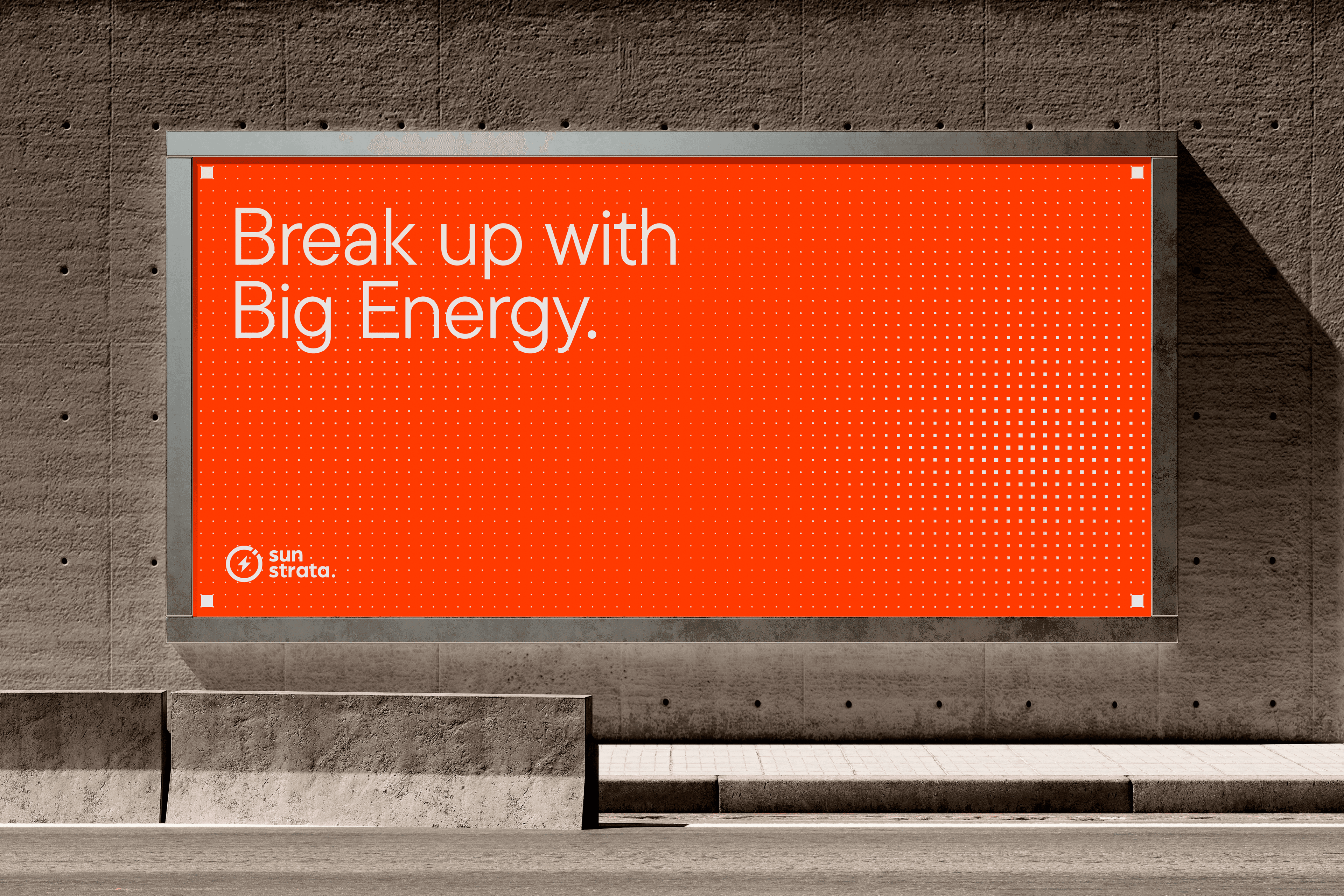

Frequently Asked Questions
Get to know more about us.
Web design and development and app development, from a five-page brand site through to a digital product with thousands of users. Brand and corporate websites, e-commerce, campaign microsites, client and customer portals, dashboards, data visualisation platforms, mobile apps and custom software. Strategy, UX and UI design, content and development, all in-house.
We’re a brand and creative agency doing web design and development and app development in-house, with positioning strategy upstream of the build. That shapes the content hierarchy, how the offer gets presented, and what the site signals about who it’s for. If it needs to shift a perception or justify a price point, that’s what we’re set up for.
It certainly makes things faster, and we use AI for development like everybody else, for the simple reason that it would be daft not to.
AI is a great force multiplier, mostly on the boring end: content migrations, test coverage, alt text across a few thousand images, shaping data for a dashboard, integration scaffolding, and the first pass at documentation and handover docs. It writes code fast and it’s great at the repetitive kind, the refactors and the fiftieth variation of a form, all work that used to eat weeks and never once made a site better.
What it doesn’t do is make anyone special, because everyone can access more or less the same capable models. This is all relative, and what gets overlooked way too often is that you’re not the only one playing, because every competitor you have got the same speed-up in the same quarter, so if all of us can build a competent website faster, the category gets cheaper together and nobody moves. It’s everyone in the stadium standing up at once, where nobody can see any better and nobody can sit back down.
There’s a distinction worth borrowing here between a fair advantage and an unfair one, where a fair advantage is anything a competitor could have if they decided to, what makes an advantage ‘unfair’ is that it’s not replicable by other people, for example, if you work 15 hour days, that’s a ‘fair’ advantage because anyone could do it, really. An unfair advantage is something they can’t replicate even when they want to. Efficiency is the textbook fair advantage.
Take the best website you saw in 2006, genuinely the best one, the one that made you stop. It wasn’t built for a phone, because there weren’t any yet, and put on a screen today it’s a museum piece. The sea level keeps rising, and it rises for everybody.
Which is the actual problem, because your site isn’t being judged against the one you had before, it’s being judged against the three sitting in the next tab, by someone with a finite amount of attention who is going to remember one of them. Getting faster doesn’t help with any of that, whereas getting further ahead does, and further ahead now lives in the work that hasn’t been democratised.
So we spend what AI saves in a project, by throwing it at the things that are hard, such as interaction design, the motion, the scroll behaviour and the micro-interactions, the work that’s still slow and still difficult to do. On the same budget as two years ago we’re capable of a much more ambitious build, and a site someone can tell a lot went into.
Which makes it a question of what game you’re playing. Some businesses will look at the same tools and see a cheaper invoice, which is a fair brief and not ours. The clients we do our best work with look at the same tools and ask how much further ahead they could get, and that’s the game we’re built for.
A brand website is usually 8 to 12 weeks from approved designs to launch. Portals, applications and e-commerce with bespoke functionality run 3 to 6 months (but then again, it all depends), a lean MVP proving a single idea can be a couple of months, and the whole thing end to end with brand strategy and identity in front of it is usually 5 to 6 months. However, what actually moves a timeline is how fast decisions get made on your side and whether the integrations we’ve been promised access to exist yet.
A lot of it is, and animation done badly is worse than none, because it slows the page and gets between someone and the thing they came for. The test we use is whether the motion is telling you something. A page transition that carries you from where you were to where you’ve arrived is doing the job a breadcrumb used to do. Beyond that there’s a commercial argument that’s harder to make politely, which is that sweated detail reads as a company that sweats detail, and that’s the impression you want sitting in someone’s head while they work out whether you’re worth more than the cheaper option.
A website carries the brand and the offer and moves someone toward a decision. A digital product is something people log into and use repeatedly: a client portal, a dashboard, a data platform, a mobile app.
Not always, if the positioning and branding already serve the business’s objectives. If they don’t, the site will paper over a problem that is upstream from the website. We’ll tell you which one you’re looking at, and you can decide whether to fix that first. The best projects we’ve done started with the brand strategy and branding.
Yep, sure do. We build on Shopify and Shopify Plus, or WooCommerce where the store lives alongside a WordPress site the team already runs, and headless Shopify on a Next.js front end where the storefront has to be more of an experience rather than a standard checkout with pictures.
Yes. We’re a foundation supplier on the Digital Marketplace Panel 2, so any Commonwealth agency can engage us directly through BuyICT under panel terms, and we’re on the buy.nsw Supplier Hub for New South Wales.
Not the content kind. We’re not set up for content programmes, and certainly not link building. The SEO we do is technical and primarily hygiene-related: information architecture, content structure, semantic HTML, schema, internal linking, crawl-friendly routing, rendering for content-heavy pages, and Core Web Vitals. It’s also the part an SEO retainer usually spends its first quarter emailing somebody’s developer about. If you want the keyword strategy and content marketing side, we’ll introduce you to someone good at it.