Amazon Music
A night of grandeur with Gretta Ray at the State Library of Victoria for Amazon Music
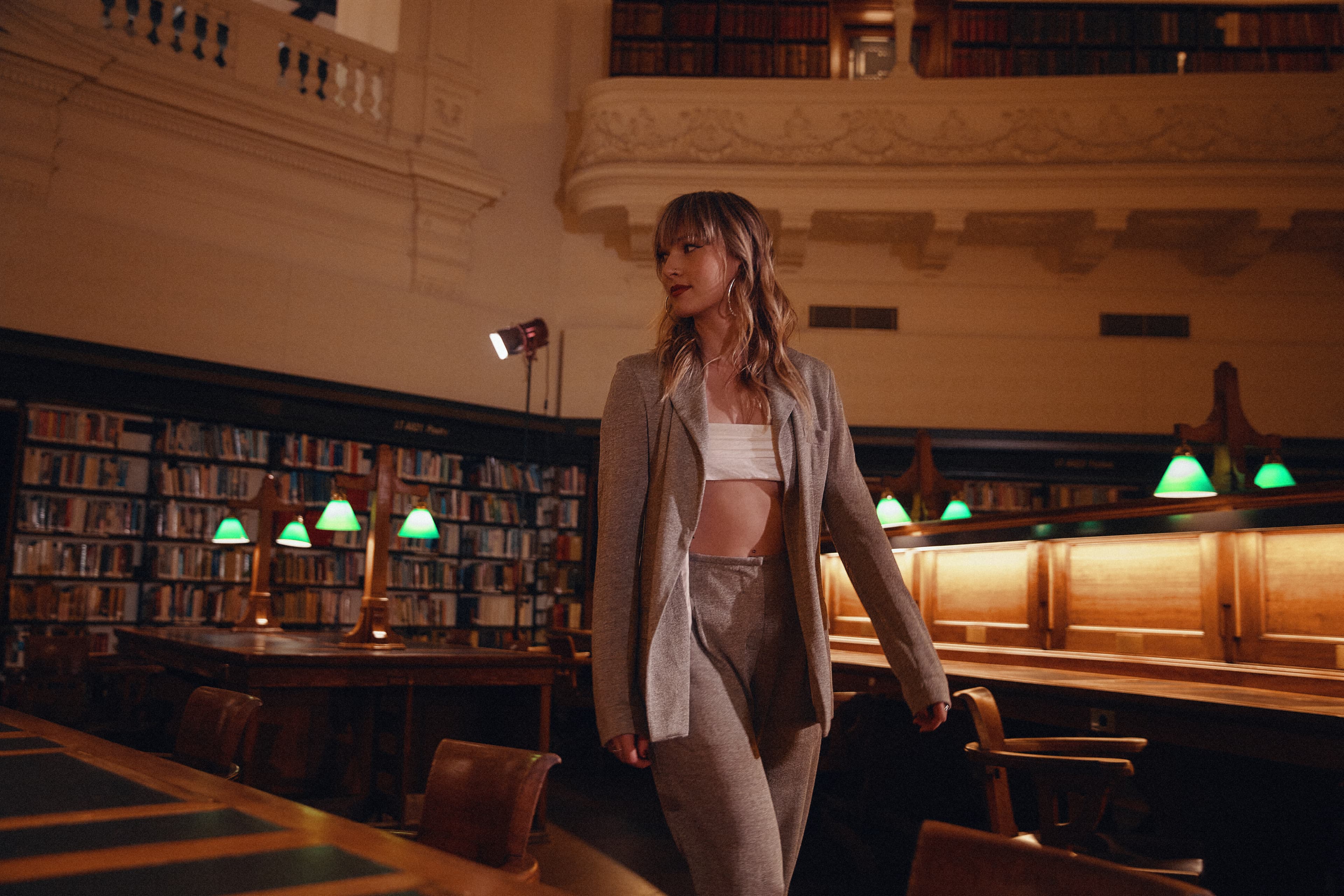
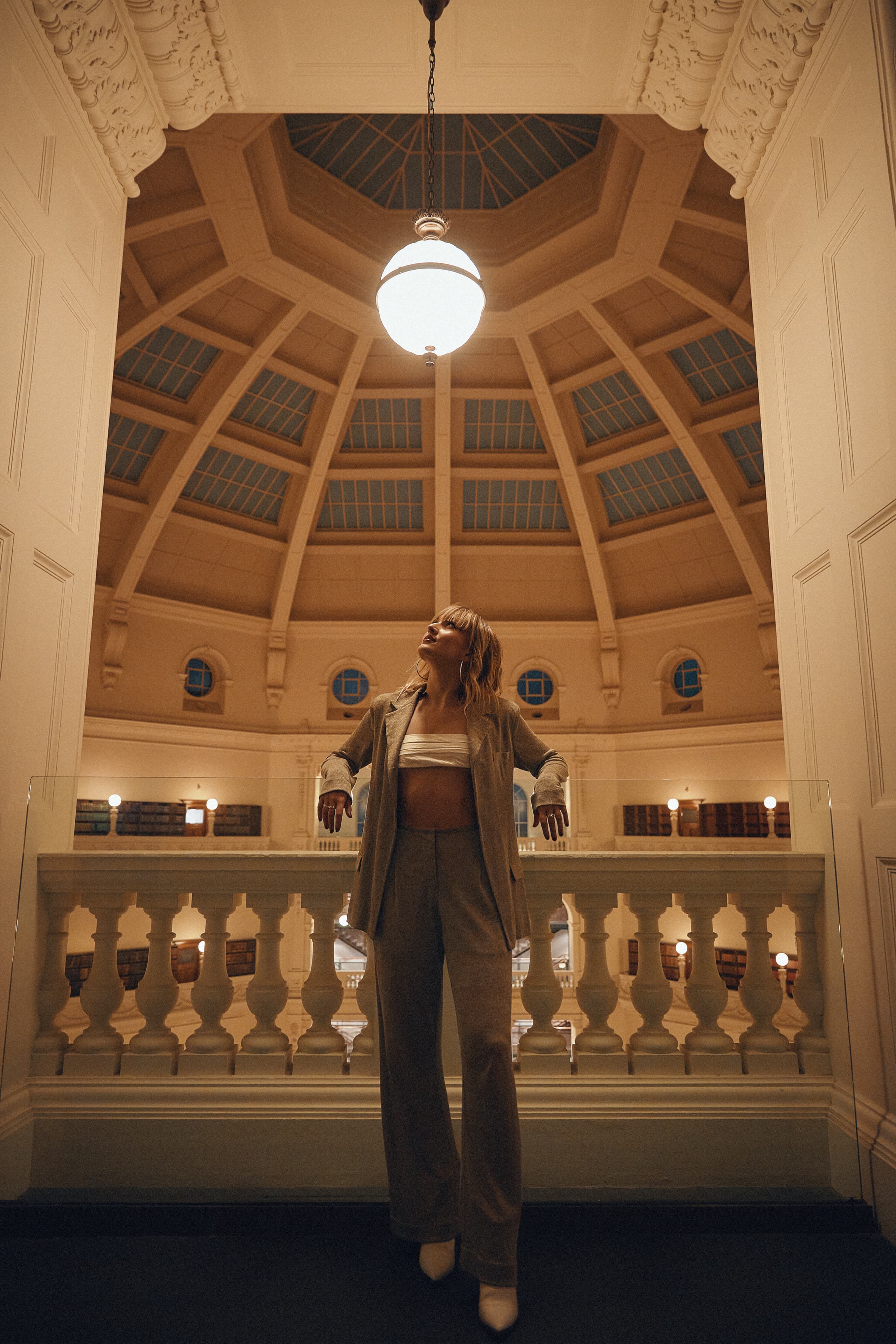
A live performance, filmed as a single take; Gretta Ray’s performance of “One Day Like This” combines her building vocals, strings quartets, vintage visuals and the epic grandeur of the State Library of Victoria.
The character and majesty of the Library made for striking visuals, but the building also had a sentimental importance for Gretta – having spent many hours within its walls during her final years of schooling, the same period in her life when she first grabbed national attention with her win of Triple J’s Unearthed High (2016).
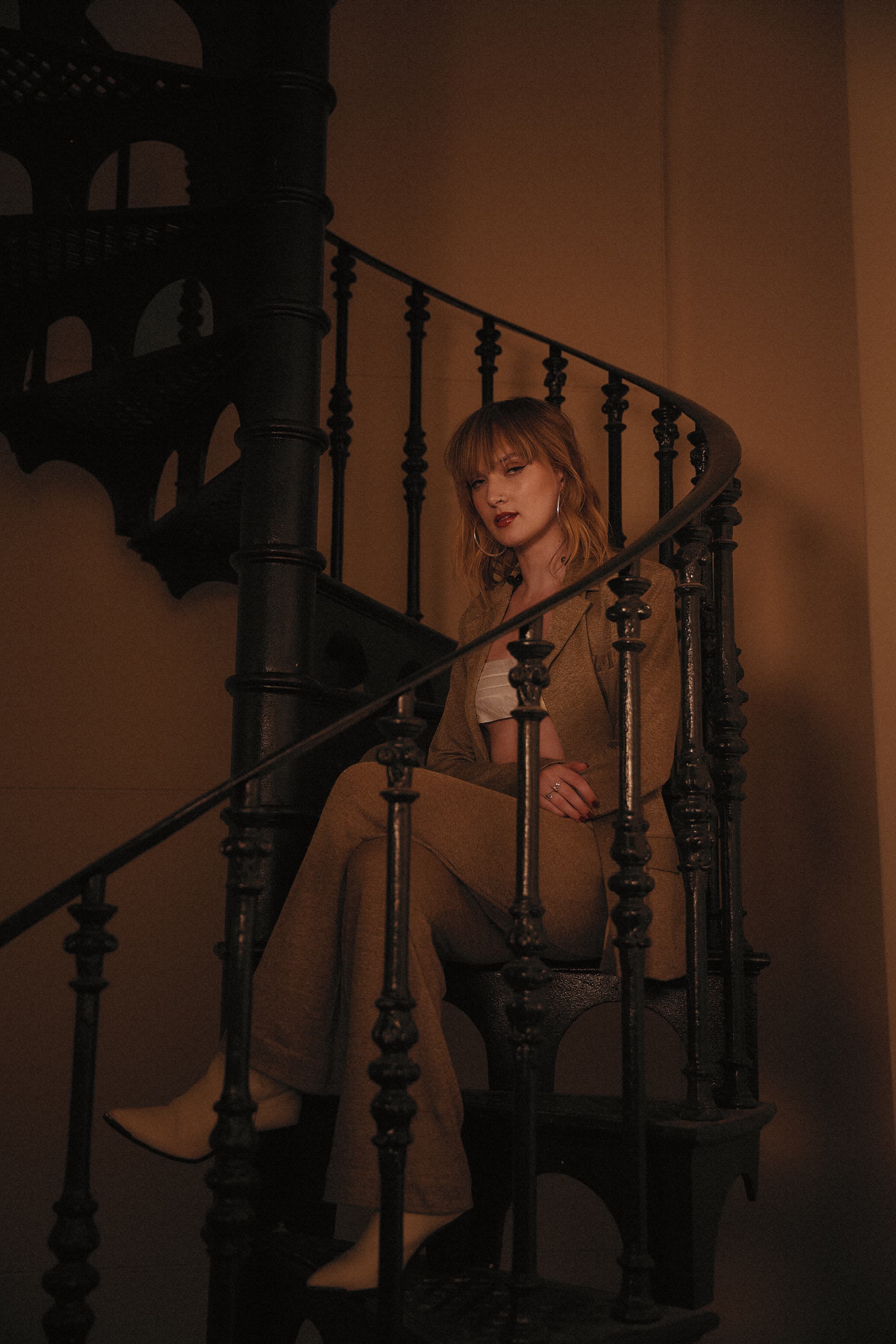
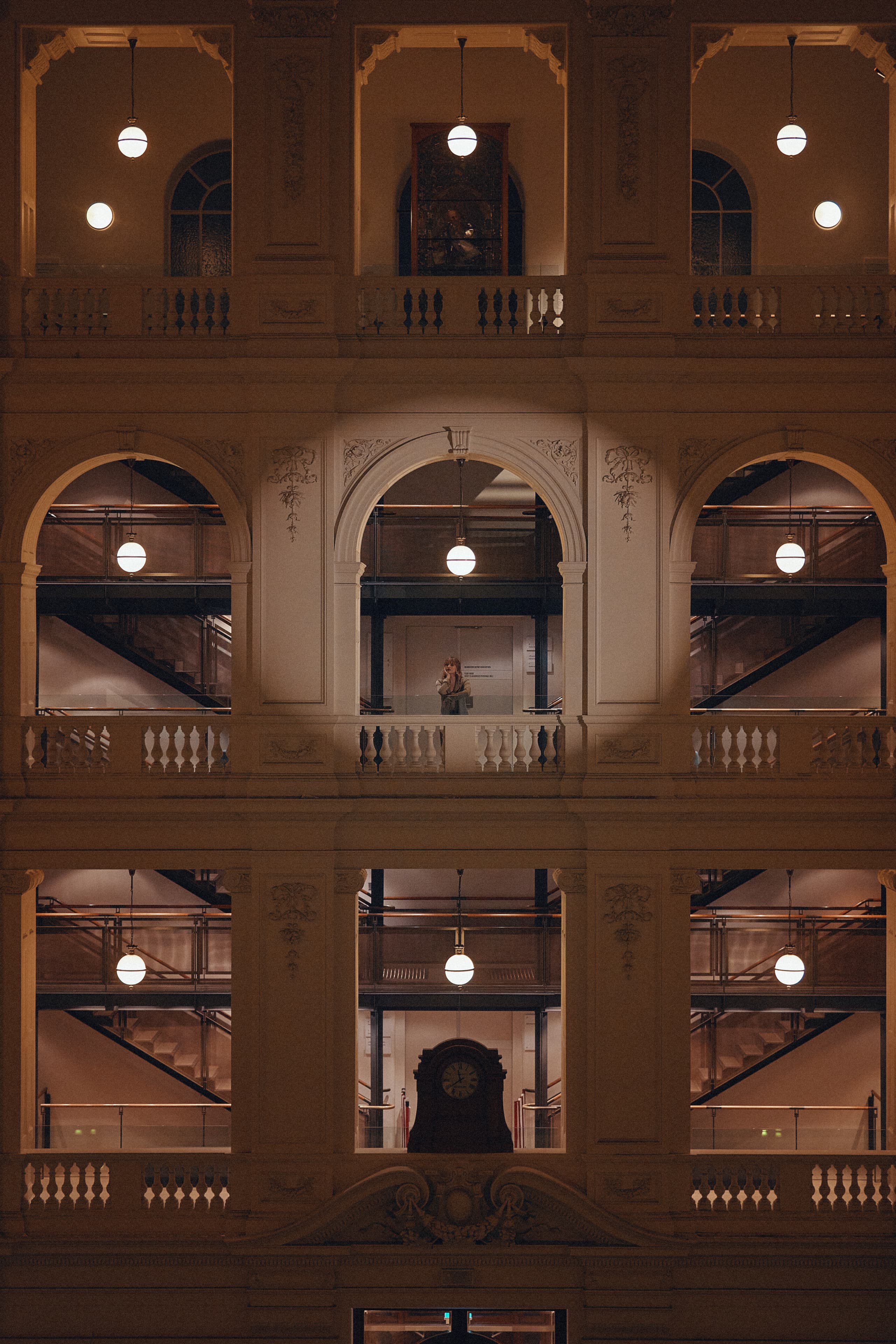
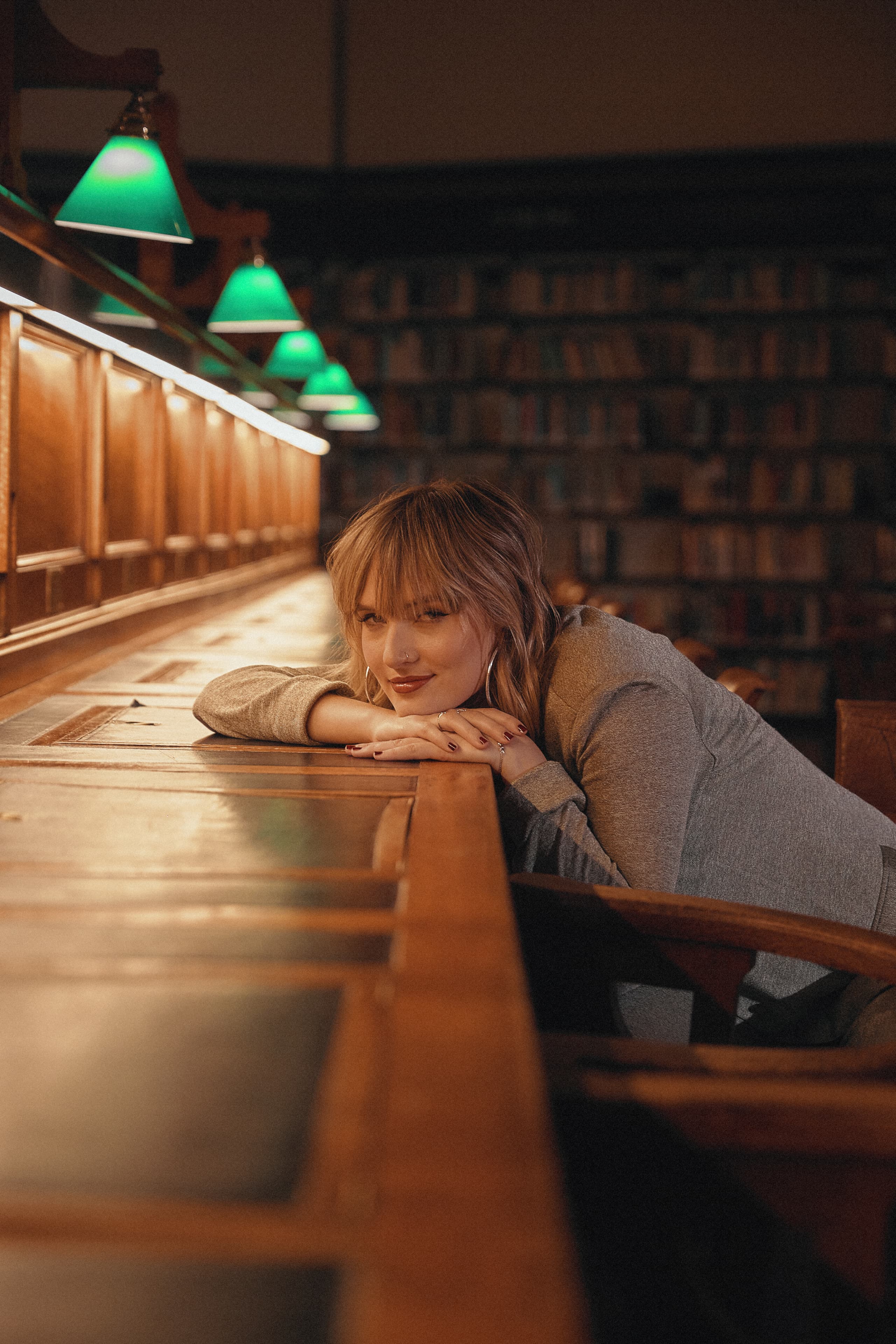
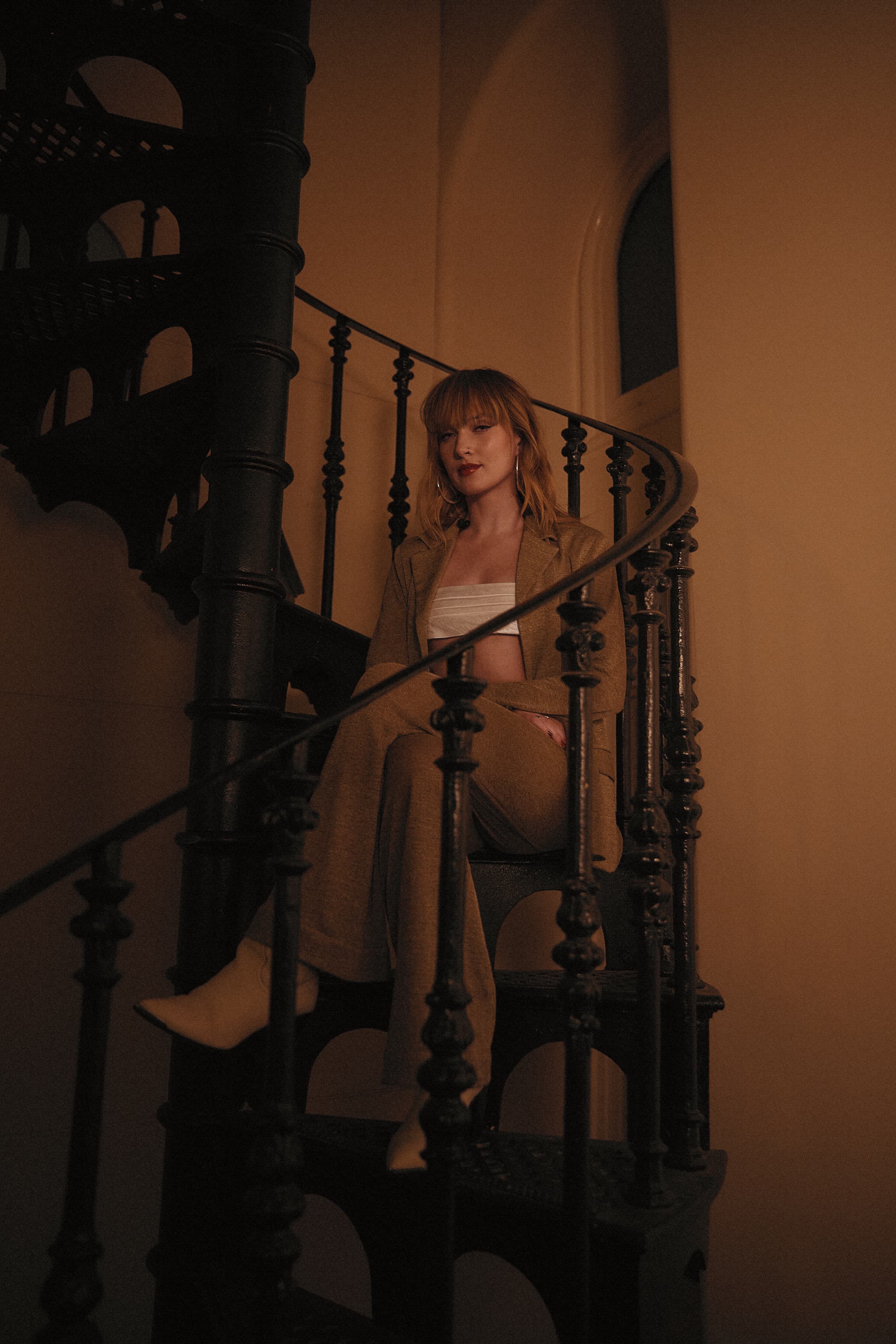
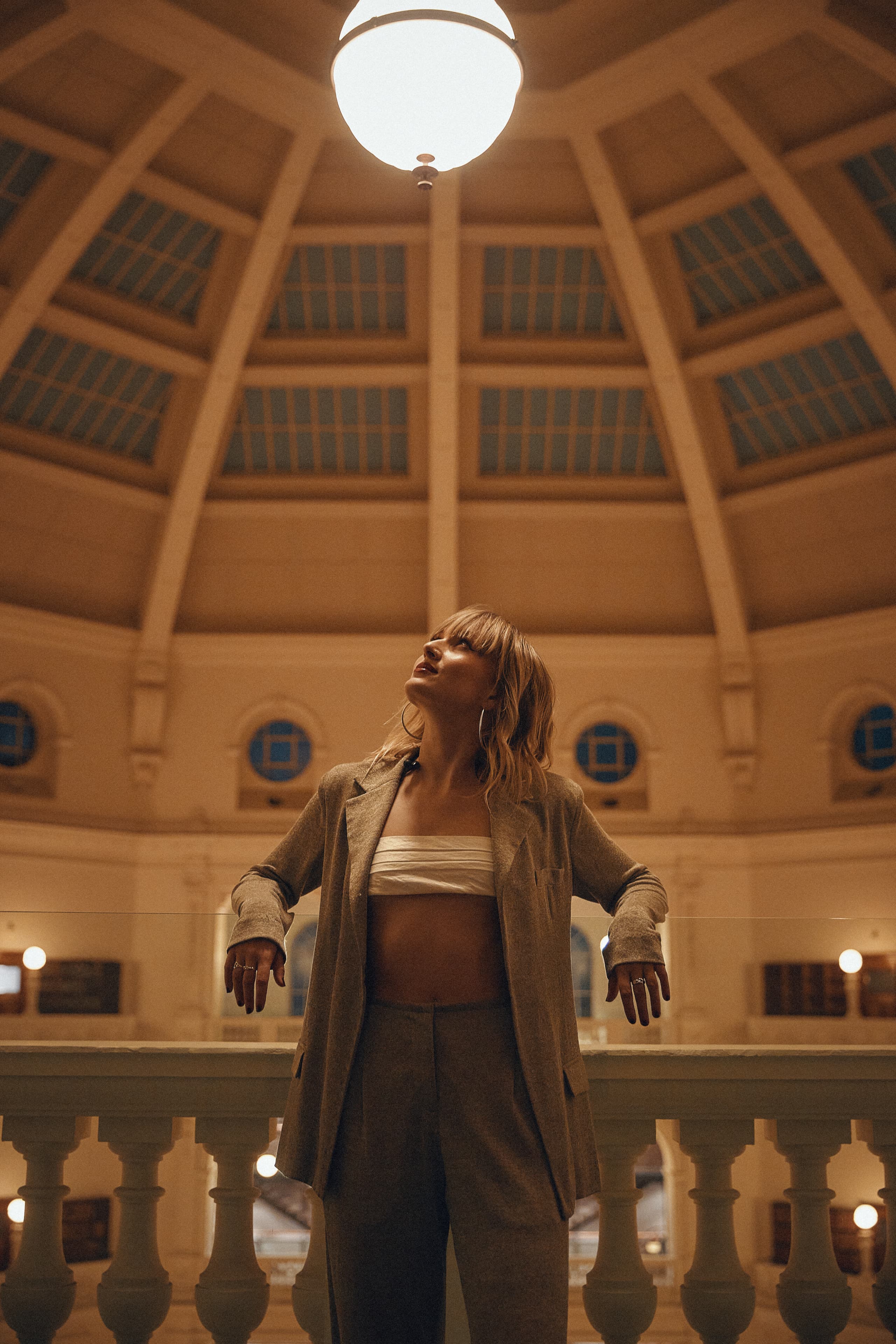
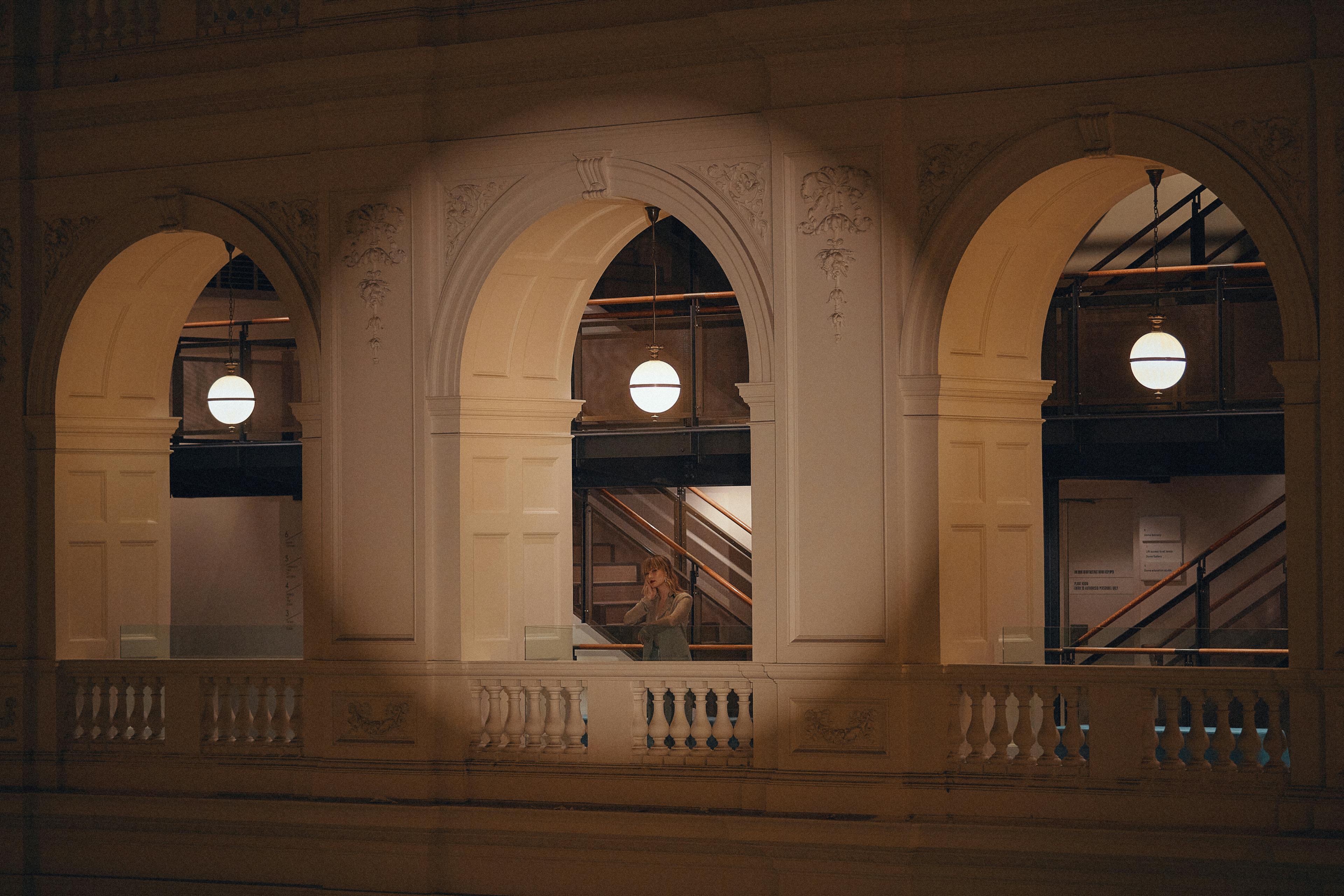
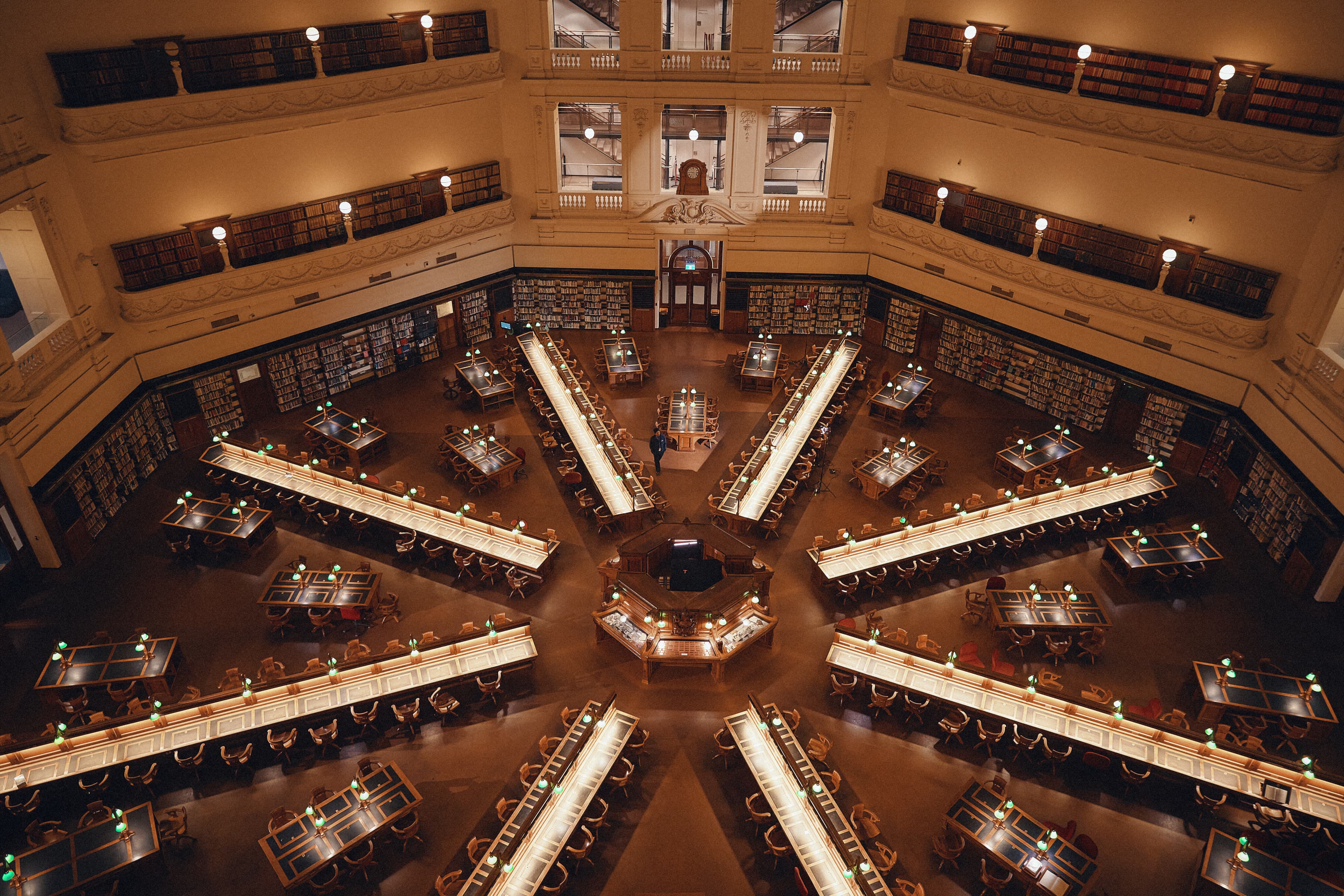
Our creative approach for this Amazon Original was to showcase as much of the space as possible; following Gretta as she moves through moonlit rooms and marble staircases, passing by her live strings arrangement, before ending her performance with grand crescendo in the epic La Trobe Reading Room.
Webby Awards Nominee
1
Telly Awards Winner
9
The room
The State Library of Victoria has a character and grandeur few other buildings could offer, but the bigger reason was personal to Gretta. She spent many hours studying within its walls during her final years of school, the same period she first grabbed national attention by winning Triple J’s Unearthed High in 2016. That kind of personal connection comes through on screen even when the audience doesn’t know the history, and it mattered to us more than anything else in the brief.
The building also carries its own recognition. The domed La Trobe Reading Room is one of the most recognised spaces in Austrlalia, and a lot of Australians recognise the room without being able to name it, so it brought a degree of familiarity to the film before the performance began. Heritage venues are difficult to work in: access is limited and you have to solve the lighting yourself, on top of handling a century-old reading room with care. The trade-off is worth it because no built set looks like that room.
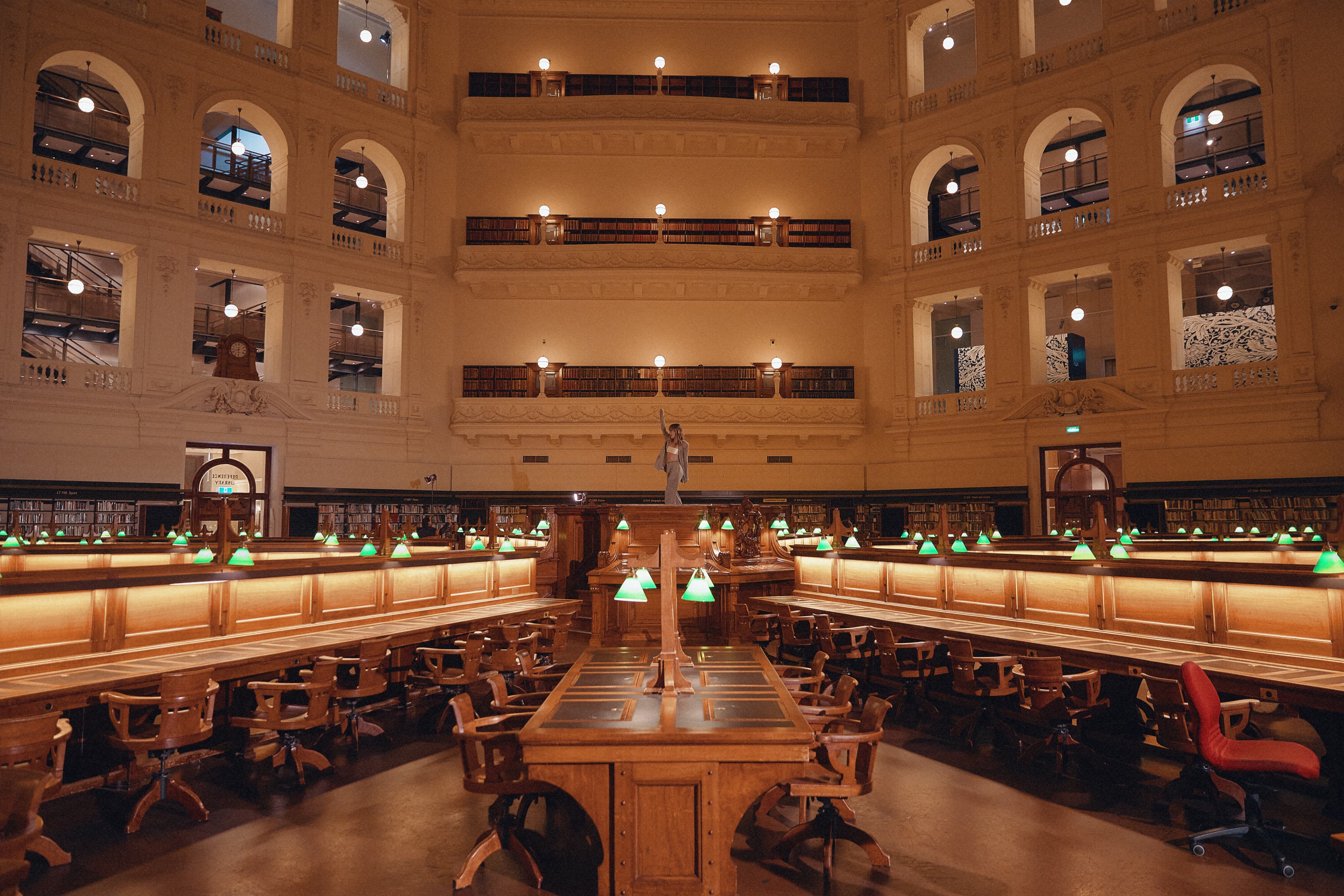
The concept was a single continuous shot that moves through as much of the building as possible. The camera follows Gretta from moonlit rooms and up marble staircases, past a live string quartet, and into the La Trobe Reading Room, where the song reaches its crescendo under the dome. The route through the building was planned to match the arrangement, so the music grows as the spaces open up, from narrow corridors into the domed room.
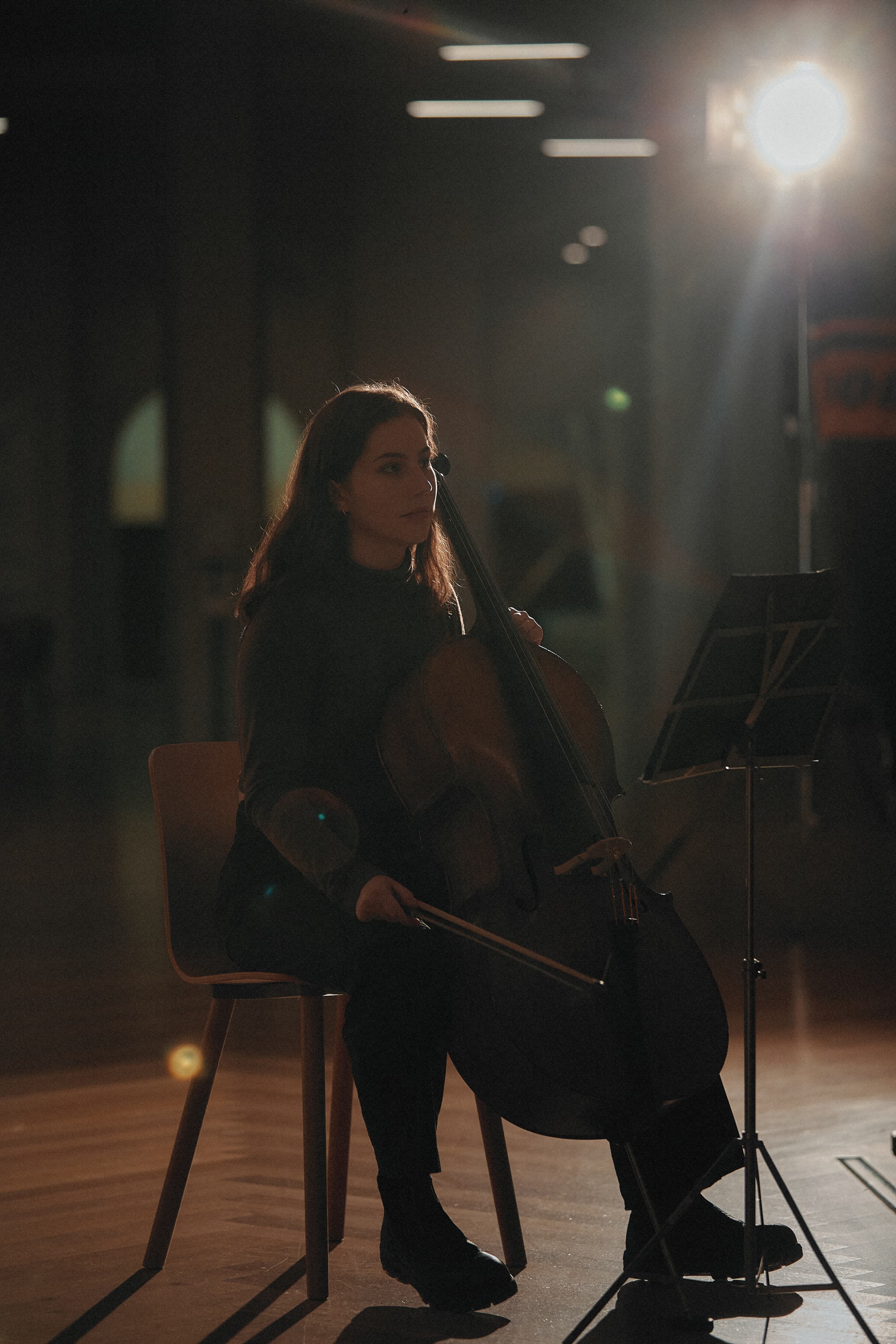
The music was performed live on location. Gretta sang live, accompanied by a string quartet of violin, viola, cello and double bass, all recorded in the building rather than added afterwards. Because the camera moves continuously, the musicians were placed at different points along its route, and the performance, the players and the camera all had to stay synchronised through the take. The recording was produced by Gab Strum, who works with Gretta regularly, then mixed by Miro Mackie and mastered by Simon Lam. Ben Develin directed the film for Mude.
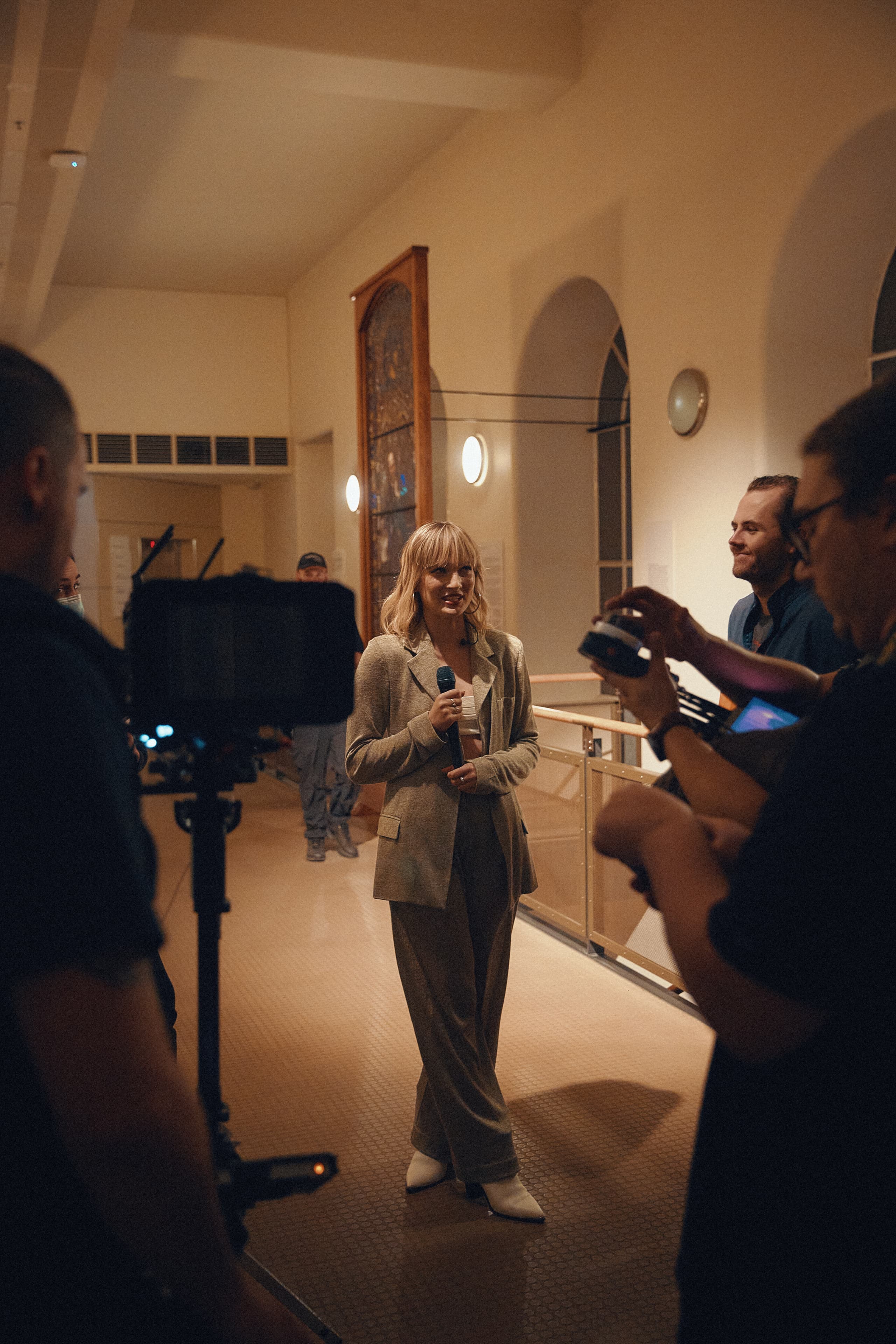
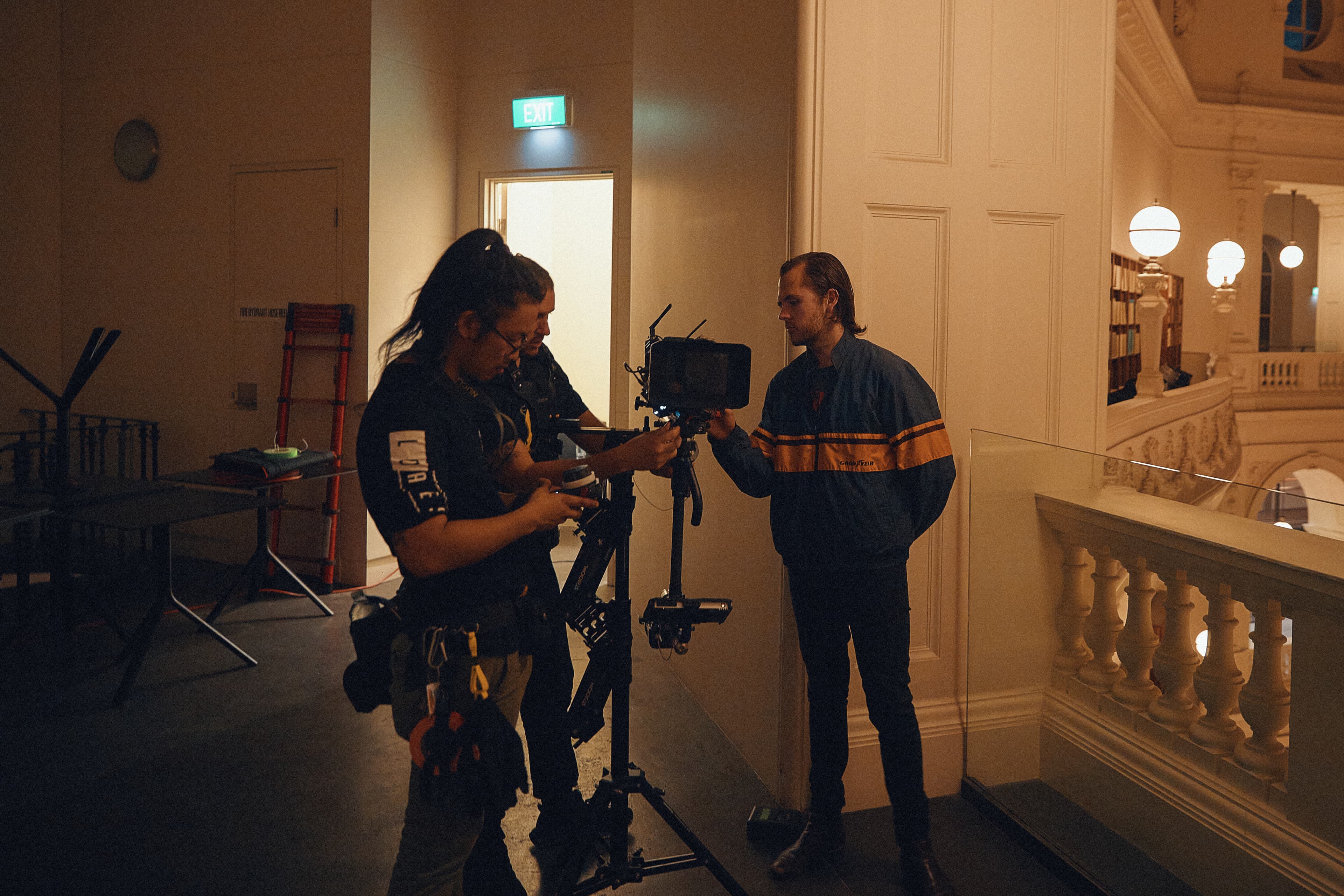
A single take is demanding to shoot. Because nothing can be corrected later: a missed note or a mistake in the camera move stays in the finished film. The performance, the playing, the lighting and the camera move all have to come together in one pass, in low light, inside a large heritage interior. We work this way because a take that cannot be fixed afterwards tends to produce a more committed and impressive performance, and that commitment is visible on screen.
What it earned
“One Day Like This” is the most-awarded project in Mude’s portfolio. It was nominated at the 2024 Webby Awards, and at the 2024 Telly Awards it won nine, from a field of more than thirteen thousand entries: a Gold for Branded Content in the Music, Dance and Performance category, four Silvers across cinematography, directing and performance, and four Bronzes for editing, brand collaboration, use of music and music video. The previous year it was an official Webby nominee for Best Individual Performance.
The project also had a longer-term effect. It was Mude’s first Amazon Music Original, and the approach we developed for it — a live performance produced as a ‘oner’ and delivered to Amazon’s exclusive specification — became a model we reused. The same approach, and the same working relationship with Amazon Music, carried into Charley’s “Still Into You” in 2024 and the Country Heat campaign website work in 2025.
Related Projects
View Project
Video, Campaigns
Defence Housing Australia
View Project
Brand, Website
MagnaTerra Technologies
View Project
Brand, Website
Sunstrata
View Project
Brand, Website
NextOre
View Project
Brand
Rosella St
View Project
Video
Sport Integrity Australia
View Project
Website
The Embassy of France in Australia
View Project
Brand, Video
Department of Education, Skills and Employment
Frequently Asked Questions
A live performance, captured in a single take
Mude approaches a live performance music video as a piece of brand content that has to do a job for the brand commissioning it. The work for Gretta Ray and Amazon Music is the apparent example. It was filmed as a single continuous take inside the State Library of Victoria in Melbourne, following Gretta through moonlit rooms and marble staircases, past her live string arrangement, and into a final crescendo in the La Trobe Reading Room.
The asset works because every creative decision serves the platform that commissioned it, treating brand as a competitive lever. The location was chosen for its character and for its meaning to the artist, the camera move was built to reveal the space as the performance unfolds, and the single take gives the finished film the feeling of a live moment that happened once. That combination makes the film work as Amazon Music’s content and as something an audience actually shares.
The Amazon Original with Gretta Ray went on to earn a Webby Awards nomination and nine Telly Awards. The approach that produced it began at the brief stage, before the location was locked or a frame was shot.
Mude plans a music video production in a clear sequence, and the work for Gretta Ray and Amazon Music followed it closely. The steps move from idea to delivery without skipping the decisions that shape the final film.
- Agree the creative concept and how it serves the artist and, where there is one, the brand commissioning the work.
- Choose the location and design the treatment, including how the camera moves and what the audience sees as the track plays.
- Plan the shoot day in detail, covering the performance, the live music capture, lighting and the running order.
- Film the performance, then move into post-production for the edit, colour grade and sound.
- Deliver the cuts in the formats each platform needs, from the hero film to short social versions.
For Gretta Ray, the concept settled early on a single continuous take inside the State Library of Victoria, which then drove every other decision. The location had to allow an uninterrupted camera path, the live string arrangement had to be captured cleanly in the space, and the performance had to land in one go.
Pre-production took the bulk of that work, with the shoot itself a single day in the building.
A music video production in Australia usually takes around four to eight weeks from the first concept conversation to a published film. The range moves with the ambition of the production and how many cuts are needed at the end. Pre-production and scheduling take up a large share of that time, and the shoot itself is often a single day.
The edit length depends heavily on the format. A heavily constructed, multi-location narrative video carries a long post-production tail, while a single-take live performance like Mude’s film for Gretta Ray and Amazon Music resolves much of the edit on the day it is shot, because the performance is captured as one continuous piece.
What tends to add time sits around the filming. A realistic music video timeline starts from the delivery date and works back through those stages.
Brand video production in Australia has moved away from the one-off glossy commercial towards video ecosystems, where a brand builds a connected set of films that each do a specific job. A main film, performance content, social cuts and behind-the-scenes material now work together as one system.
Two other shifts sit alongside that. Audiences reward content that feels real over content polished to a shine, and AI tools have lowered the cost of the production steps that used to need a full agency, which raises the value of the human parts: the idea, the direction and the cultural read.
Mude’s work for Gretta Ray and Amazon Music reflects where this is heading. A streaming brand commissioned a live performance film that an audience would choose to watch and share, then carried that single shoot into short pieces for different platforms. Mude built the Gretta Ray film for that kind of attention, with the Amazon Music brand carried inside the work.
A brand film and a TV commercial do different jobs. A TV commercial is short, built around a direct message or call to action, made to be bought into a media schedule, and measured on the response it drives. A brand film is long-form, built around story, values or an experience, lives mostly on owned and earned channels, and is measured on attention, affinity and how widely it travels.
Mude’s film for Gretta Ray and Amazon Music is a brand film in this sense. It runs as a performance piece an audience chooses to watch, it carries the Amazon Music brand through the quality and the context.
For a business, the deciding factors are where the film will live and how its success is judged, which separates a bought commercial from an owned brand film like the Gretta Ray piece.
Post-production is everything that happens to a video after the shoot to turn the captured footage into a finished film. It covers the edit, colour grading, sound design and mix, any motion graphics or titles, music, and the final delivery in the formats each platform needs.
The shape of post-production changes with the type of film. A single-take live performance like Mude’s work for Gretta Ray and Amazon Music carries less assembly in the edit, because the performance was captured as one continuous piece, so the work concentrates on the colour grade that gives the film its look and the sound that carries the live vocals and string arrangement. A multi-setup narrative video, by contrast, spends most of its post-production time in the edit, building the film from many separate shots.
Colour grading and sound are where a lot of a film’s final character is set, which is why they are treated as creative stages. On the Gretta Ray film, the colour grade and the live-audio mix were where the captured take became the finished piece.
A full-service production company and a brand-led creative agency can both make a brand video. They tend to start from different places. A production company is built around the craft of making the film, with directors, crew and post-production as the core, and it is strongest when there is already a clear creative idea to execute. A brand-led creative agency starts from the brand and the strategy, treating brand as a competitive lever, and shapes the idea before it shapes the film, so the video is built to do a defined job for the brand.
Mude works as a Sydney and Canberra brand and creative agency that also produces, which means the concept and the production sit under one roof and answer to the same brand thinking. Its film for Gretta Ray and Amazon Music came from a creative idea about how a streaming brand could reach a music audience, and that idea drove the location, the single-take treatment and the final edit together.
For a business, the distinction matters when the idea is not yet settled, because a production company will often execute a brief well and a brand-led agency will pressure-test whether the brief is the right one first. The Gretta Ray film started as that kind of idea and the production was built to deliver it.
Australian musicians build a brand identity across several layers, and video is one of the most visible of them. The full picture includes the visual identity that runs through artwork and merch, the sonic character of the music itself, the way an artist shows up on social, and the films and performances that put all of it in front of an audience. Keeping these consistent makes each release feel like part of the same world.
Live performance video does specific work in that mix. It gives an artist a visual platform that shows who they are performing. Mude’s film for Gretta Ray and Amazon Music is an example of that pillar: a heritage location, a vintage visual treatment and a single-take performance combined to set a clear visual register for the release, tied to a moment that mattered to the artist.
On the Gretta Ray film, that came through as high production craft on a performance rooted in a specific Australian place and a moment from the artist’s own life.
A live performance video and a scripted, narrative music video solve different briefs, and the choice depends on where a track’s strength sits. A live performance video is the right call when the performance itself is compelling and an audience wants to feel like they were in the room, which suits vocal-led songs, strong musicianship and artists whose live presence is part of their appeal.
A narrative or concept video is the better choice when the idea around the song, the world it builds or the story it tells, is a strong part of the release. Mude makes both, and the contrast is clear across its own work: the single-take live film for Gretta Ray and Amazon Music puts the performance at the centre, while concept-led music videos build a separate visual story around the track.
For Gretta Ray, the answer was a live performance, because the song and the voice were what the release needed to lead with.
Capturing a live string arrangement and vocals on a music video shoot means recording the audio properly at the same time as filming, so the performance an audience hears is the one they are watching. That takes audio planning alongside the camera plan: microphone choices for voice and strings, control over the sound of the room, and coordination so the musical performance and the camera move stay locked together.
Mude’s film for Gretta Ray and Amazon Music was built around a live performance of “One Day Like This” with building vocals and a live string arrangement, captured as the single take moved through the State Library of Victoria. Recording live in a heritage space adds the character of the room to the sound, which is part of the appeal.
On the Gretta Ray film, capturing the vocals and strings live gave the finished piece the feel of a real performance.
A music video usually brings together three sets of interests: the artist, who needs the film to represent them and their music; the record label or management, who shape the release and protect the artist’s direction; and, where one is involved, the brand or streaming platform commissioning the work and bringing its own audience and identity. A good production aligns all of them around a single creative idea early.
Mude’s film for Gretta Ray and Amazon Music is an example of an artist and a streaming brand working together. Amazon Music brought the platform and the audience, Gretta brought the performance and a location that mattered to her, and Mude shaped the creative and ran the production so the finished film served the artist and the brand at once.
The brand, the artist and Mude settled what the Gretta Ray film needed to do before the shoot was planned.
A live performance music video captures an artist performing a track in full, in real conditions, and presents that performance as the finished film. The form ranges from a stripped-back single-camera session to a fully designed production with a live band, a built environment and choreographed camera work.
Mude’s live performance video for Gretta Ray and Amazon Music sits at the produced end of that range. Gretta performed “One Day Like This” with building vocals and a live string arrangement, filmed in one take across the State Library of Victoria. The audio and the vision were captured together so the film holds the imperfections and energy of a real performance.
It suits releases where the performance itself is strong enough to carry the film.
A high-quality music video shoot needs a crew and kit matched to the concept, and the concept decides how large either has to be. The essentials are a camera and lensing capable of the look the treatment calls for, controlled lighting, a sound setup able to capture the performance, and a crew covering direction, camera, lighting, audio and production coordination.
Mude’s single-take film for Gretta Ray and Amazon Music shows how the brief drives the answer. A continuous camera move through the State Library of Victoria called for camera operation that could travel cleanly across rooms and staircases, lighting that worked in a heritage interior, and live capture of vocals and a string arrangement performed in the space. A static single-camera session would have needed far less.
The useful question for most artists concerns what the specific film actually requires, because a long kit list does not make a strong video on its own. The kit and crew on the Gretta Ray film were sized for one continuous move through a heritage building, which is a different list to a studio session.
Filming a music video in a single take means the whole film is one continuous shot with no cuts, so the performance, the camera move and the timing all have to work together in real time. Mude built its film for Gretta Ray and Amazon Music this way, following Gretta in one move through the State Library of Victoria and ending in the La Trobe Reading Room.
The discipline sits mostly in preparation. The camera path has to be choreographed against the structure of the song, the performer has to hit her marks during the live singing, the lighting has to read across every room the camera passes through, and the live music has to stay consistent for the length of the take. A mistake at the four-minute point means starting the whole run again.
For the Gretta Ray film, that meant rehearsing the camera move and the performance together until the whole run could hold in one take.
The right brand video style follows from two things: what the business needs the film to do, and who it is speaking to. A recruitment film, a product explainer, a customer story and a cultural brand film are different formats because they carry different jobs, and choosing the wrong one wastes the budget.
For a brand whose goal is cultural relevance and reach with a specific audience, content built around a person or a performance tends to outperform a straight product film, because audiences engage with people quickly, and messaging takes more effort to land. Mude’s live performance work for Gretta Ray and Amazon Music is an example: a streaming brand reached a music audience by making something that audience already wanted to watch, which is brand working as a competitive lever, present in the film without dominating it.
For Amazon Music, the job was reach and affinity with a music audience, and a performance film answered it better than a product spot would have.
A hero video is the primary, most important film in a brand’s video content, the one a brand leads with and builds other content around. It usually carries the central story or experience, holds the most screen time of any piece in the set, and anchors a campaign or a brand’s presence on its homepage and main channels.
In a video ecosystem, the hero film sits at the centre and the short cuts, social edits and behind-the-scenes pieces orbit it, all drawn from the same idea and often the same shoot. Mude’s live performance film for Gretta Ray and Amazon Music played this role for that release, with the full performance as the hero piece and short versions cut for different platforms.
A brand usually puts the most into the hero film, since the rest of the content is cut from it.
Brand video carries a brand’s visual identity into moving image. The colour grade, the typography in any titles, the pace of the edit, the casting and the music all carry the identity that lives in the brand’s logo, palette and design system, which makes a film feel like it belongs to one brand and not another.
When a brand commissions video, the identity should brief the film. The look is graded towards the brand’s palette, the type matches the brand’s typography, and the tone matches the brand’s personality, so the video reads as part of the same world as everything else the brand makes.
The vintage visual treatment and the heritage setting on the Gretta Ray film set that register for the release.
Choosing a video production company in Australia comes down to a handful of signals that predict whether the finished film will do its job.
- A portfolio with work in a similar register to what is needed, beyond a showreel of unrelated highlights.
- Evidence of concept development, so the company can shape an idea.
- Production quality that holds up across the whole piece, including the colour grade and the sound, beyond the opening shot.
- Experience with the kind of delivery required, whether that is corporate video, broadcast, social, a brand film or a live performance.
- A clear way of working through brief, pre-production, shoot and post, so a client knows what happens at each stage.
Awards and recognised clients are a useful shorthand for quality, which is why a credential like the Webby nomination and nine Telly Awards on Mude’s Gretta Ray and Amazon Music film carries weight. They show the work has been judged against a wide field.
Mude’s Gretta Ray film is a useful piece to judge against: a clear creative idea, awarded production craft, and a result that served the brand that paid for it.
An Amazon Original, in the music context, is an exclusive recording or performance produced for Amazon Music and released on the platform, often a distinctive live version of a track. For a streaming service, originals are a way to offer something an audience cannot get elsewhere and to associate the brand with the artists it features.
Mude produced an Amazon Original live performance with Gretta Ray, a single-take film of her performing “One Day Like This” at the State Library of Victoria. The piece was made for Amazon Music and carries the brand through the quality and the setting of the performance.
For an artist, an Amazon Original is a chance to release a standout live version of a song with a major streaming brand behind it.
A heritage or architectural location can carry a music video, and the right building becomes part of the film. Mude filmed its live performance for Gretta Ray and Amazon Music inside the State Library of Victoria in Melbourne, using the moonlit rooms, marble staircases and the domed La Trobe Reading Room as the world the single take moves through.
Shooting in a building like that brings creative reward and practical demand together. The space gives a film scale and character a studio cannot fake, and it asks for careful planning around access, lighting a large heritage interior, protecting the building, and working a camera and crew through real architecture. For Gretta Ray, the location also held personal meaning, which added to why it was the right room for the performance.
The State Library earned its place on the Gretta Ray film because it gave the performance scale and a personal connection to the artist.
A music video feels cinematic when the craft choices borrow from film: considered camera movement, lighting with depth and intent, a sense of scale, and a visual treatment that holds together as one piece. The effect comes from control over how the audience sees the performance, not from the size of the budget alone.
Mude’s single-take film for Gretta Ray and Amazon Music reads as cinematic for a few clear reasons. The camera travels in one unbroken move through the grand interior of the State Library of Victoria, the heritage architecture gives the frame scale, the lighting carries the mood from room to room, and the single take gives the whole film the tension of a performance that has to land in one go.
The unbroken camera move, the scale of the building and the grade give the Gretta Ray film that quality.
Mude is a Sydney-based music video production company that has produced music and entertainment video for major streaming platforms, record labels and individual artists across Australia. The work for Gretta Ray and Amazon Music sits alongside a second Amazon Original with the pop artist Charley, produced with EMI, filmed at the basalt columns on the New South Wales coast.
Beyond Amazon Music, Mude’s music video and live performance work spans artists and labels including Dan Sultan, whose six-single live series was filmed in a custom studio set-up, The Rions, Oliver Cronin with Warner Music, Milan Ring, and live session work with Chugg Music. The thread across all of it is live performance and artist-led film made to a brand standard.
The Gretta Ray film is one piece of that wide body of music and entertainment video work.